


As an Amazon Associate I earn from qualifying purchases.
Have you ever felt that rush of excitement when you finally get your hands on new ritual tools, only to wonder if you should dive right in or pause for a moment? Tonight, I’ll guide you through how to properly consecrate those tools so they truly resonate with your practice. After 10 years of working with various items, I can tell you that taking this step can make a real difference. So, let’s start by cleansing your tools with a simple ritual you can try tonight. Trust this—it’s a crucial part of the process.
Key Takeaways
- Cleanse each tool with fire, air, water, and earth for 5 minutes to release stagnant energies, ensuring a fresh start for your rituals.
- State specific intentions for each tool during the consecration process; this shapes their energy and enhances their effectiveness in your practice.
- Use your consecrated tools within 24 hours of the ritual to keep their energy vibrant and maintain your spiritual connection.
- Intentionally clear tools after each use and perform seasonal cleansings every three months to preserve their power and effectiveness.
- Source materials ethically and engage with them meaningfully; this fosters a harmonious energy flow, enriching your ritual experience.
Introduction
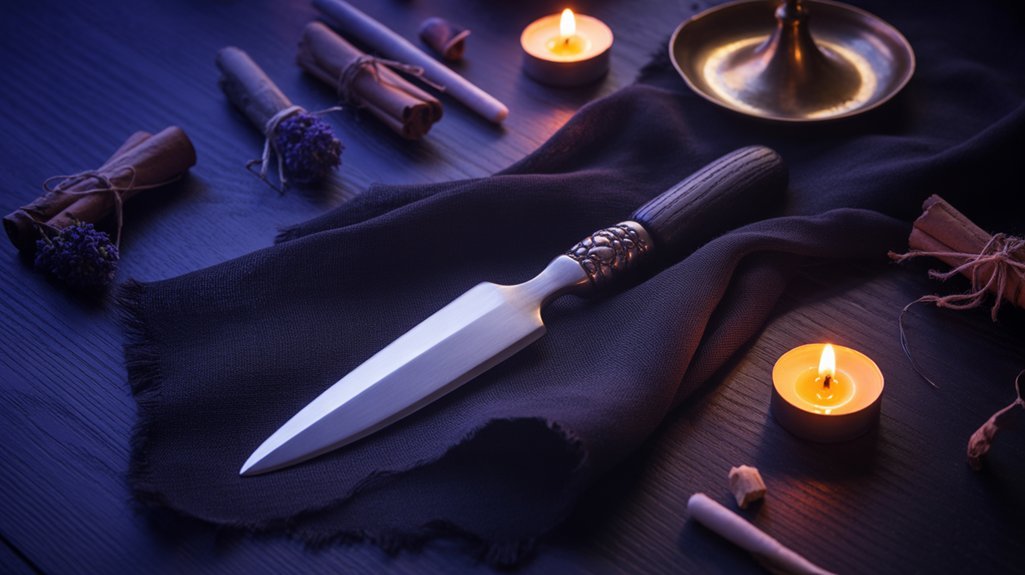
I remember the first time I stood in front of my altar, surrounded by tools that felt more like clutter than instruments of magic. I’d no idea that consecrating those items could change everything. Have you ever felt that disconnect? If you’re just starting out, I want to share something that could really help you.
Consecrating your ritual tools isn’t just a box to check; it’s a way to cleanse them of past energies and fill them with your unique intentions. This practice can turn everyday objects into powerful allies on your spiritual path. So, let’s simplify it. Start with your wand, athame, chalice, or any item you feel drawn to.
Here’s a simple way to get started tonight:
- Choose a Quiet Space: Find a spot where you feel comfortable and won’t be disturbed. This is your sacred space, even if it’s just your kitchen table.
- Gather Your Tools: Lay out the items you want to consecrate. Take a moment to notice how they feel in your hands.
- Set an Intention: Think about what you want each tool to represent. It can be as simple as “This wand channels my will” or “This chalice holds my joy.”
- Use a Cleansing Method: You might want to pass your tools through incense smoke, sprinkle them with salt water, or even leave them in the moonlight overnight. Whatever feels right to you.
- Speak Your Intentions: As you cleanse each tool, speak your intentions aloud. This helps create a connection between you and your items.
- Close the Ritual: Thank the tools for their service and trust that they’re now aligned with your energy.
This process sets the stage for your work. You’re creating a direct channel between your will and your tools, allowing them to resonate with your energy.
A Few Tips from My Journey:
- Trust Your Intuition: When I started, I followed others’ methods too closely. What I wish I’d known is that your practice is personal. If something doesn’t resonate, it’s okay to adjust it to fit your style.
- Be Patient: This won’t work for everyone right away. Results can vary; give yourself grace as you find your rhythm.
- Respect the Traditions: If you’re drawn to specific practices, make sure to seek guidance from practitioners within those traditions. It’s a way to honor their roots and your journey.
Let’s take a moment here. Have you ever felt that thrill when your tools click into place? It’s a beautiful moment of alignment.
As you continue your practice, remember to care for your tools ethically. Look for sustainably sourced herbs and ethically mined crystals(Beginner Witchcraft Spells for Protection: Simple Effective). It’s important.
Next Steps:
Pick one tool to consecrate tonight. Set aside 15 minutes, and let your intentions flow. You’ll be amazed at how a simple ritual can deepen your connection to your practice.
The Problem
You’ve gathered your ritual tools, but how do you prepare them for effective magical work?
As you navigate this journey—whether you’re just starting out or returning to your practice—it’s essential to recognize the challenges that can hinder your ability to create a functional altar and conduct meaningful rituals. Understanding these obstacles not only builds your confidence but also sets the stage for deeper exploration into the preparations and techniques that will enhance your practice.
To create a truly sacred space, it’s beneficial to familiarize yourself with essential altar supplies, ensuring that your rituals are both powerful and authentic.
What’re the next steps you need to take to ensure your rituals are both powerful and authentic?
Why This Matters
When I first started my spiritual journey, I didn’t think much about the tools I was using. I figured they were just objects, right? But I quickly learned that neglecting to consecrate your ritual tools can lead to a whole heap of complications. Ever felt that?
Unconsecrated items can carry residual energies from their previous owners or even the store where you bought them. This contamination can dilute your magical workings. It’s like trying to channel your energy through a muddy river instead of a clear stream. You end up with a weak connection, and your intentions get muddled.
You might think, “It’s just a candle,” but without proper cleansing, that candle is no longer just a candle; it’s a conduit for whatever energies it’s picked up along the way. Start with a simple cleansing ritual tonight. Grab your tools and give them a rinse with salt water or pass them through incense smoke. That’s enough to start!
Now, let’s talk about energetic misalignment. If your tools aren’t consecrated, they can blend in with everyday objects. You’re trying to do sacred work, but your items can’t differentiate themselves from the mundane. It’s like trying to use a spoon to cut a steak. It just won’t work the way you want it to.
What I wish someone had told me back then is that using unclean items in sacred spaces invites unwanted spiritual consequences. If your tools have come into contact with negative energies—like being around unclean hands or even worse—those tools become ritually impure for a long time. Trust me, it’s not worth the risk.
Consecration is about creating dedicated vessels that align with your spiritual intent. It ensures that they channel pure energy instead of obstructing it. Think of it as setting the stage for your spiritual practice.
Here’s a quick step-by-step to consecrate your tools:
- Gather your tools. Lay them out in a quiet space.
- Cleanse them. Use salt water, moonlight, or incense—whatever resonates with you.
- Set your intention. Hold each tool and visualize it filled with pure, protective energy.
- Seal the energy. You can do this by saying a simple affirmation, like “This tool is now a vessel for my highest intentions.”
And remember, this won’t work for everyone right away. Be patient—results can vary. Some practitioners might prefer more elaborate rituals, and that’s perfectly valid.
Before you start, consider where your items come from. Are the crystals ethically mined? Are the herbs sustainably harvested? This respect for sourcing connects you deeper to your practice.
If you’re just beginning, I can’t stress enough how grounding this process can be. It’s about setting the right energy for your journey.
Who It Affects
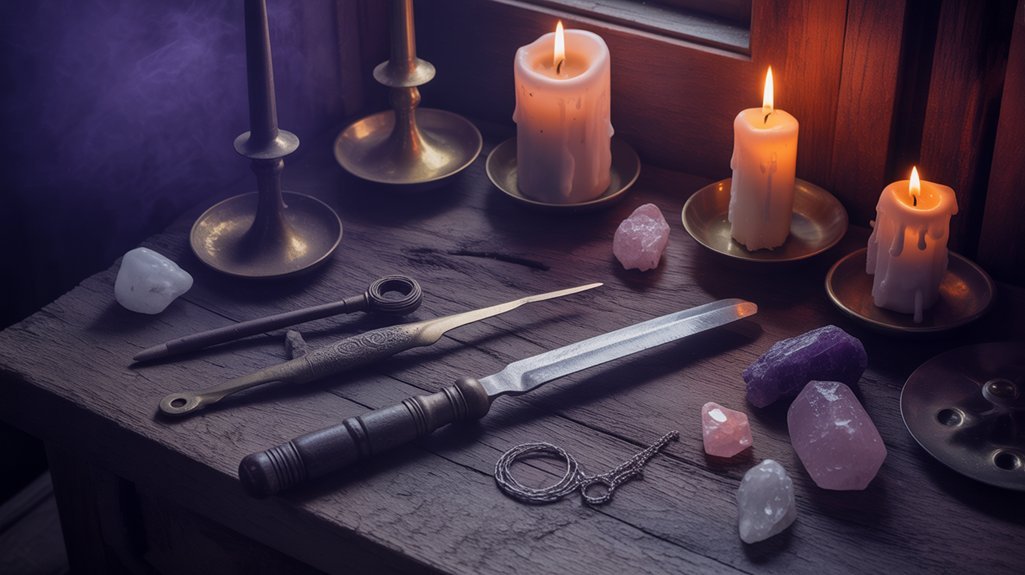
Ever felt that your spiritual tools just aren’t working like they used to? I remember when I first started; I’d this shiny new altar, and I didn’t quite understand how to treat the tools I used. Mishandling consecrated tools can really shake things up in your practice. You might notice that rituals feel less effective, and that’s because unwanted energies can stick around, messing with your focused magical state.
Here’s a straightforward tip: if you’re using a tool, dedicate a moment to clear it after each use. A simple breath and intention can make all the difference. Start there.
Now, if you don’t give proper care to your tools, you may find yourself in a tricky spot. You risk unintentionally invoking energies or entities that aren’t aligned with your intentions. Misusing these tools can create a kind of spiritual “contract” with sources you didn’t mean to invite in, which can lead to unwanted interference. That happened to me once, and trust me, it wasn’t pleasant.
What I wish I’d known as a beginner is that your practice can stall when your tools lose their sacred status. It’s not just about the tools, either; it’s about you. Without that psychological shift—without feeling the sacredness of your practice—you can’t dive deeper into advanced work. You lose the unique spiritual alignment that your original dedication brought to your practice. This fragmentation can be really discouraging.
Ready to try something? Take a moment right now to reflect on your tools. Are they treated with the respect they deserve? If not, consider what you can do to reconnect with them. A good place to start is with a cleansing ritual.
Practical Steps to Reconnect
- Gather Your Tools: Find a quiet space and lay out the tools you use regularly.
- Set Your Intention: Take a few deep breaths and focus on what you want to achieve.
- Cleansing: You can use smoke from sage or incense (be sure to follow fire safety — use a fire-safe container and never leave it unattended). If you’re using crystals, rinse them with water or leave them in sunlight, depending on their properties.
- Re-consecrate: Hold each tool, and speak your intention aloud. This is where you remind the tool of its purpose in your practice.
- Close with Gratitude: Finish by thanking your tools for their service.
Remember, this won’t work for everyone, and that’s okay. Be patient with yourself. Each practitioner’s journey is unique.
Engagement Break: Have you ever felt your tools losing their effectiveness? How did you handle it? Share your experiences; they might help others who feel stuck.
Moving Forward
As you continue with your practice, keep in mind the importance of treating your tools with care and intention. It’s not just about the ritual; it’s about building a relationship with the energies you invoke.
When I first learned about the importance of ethical sourcing, it changed everything for me. Whether it’s crystals or herbs, always make sure they’re sourced responsibly. For example, look for ethically mined crystals and sustainable herb harvesting practices. This respect for the materials you use creates a more harmonious energy flow in your practice.
Your Next Step: Tonight, dedicate a few moments to your tools. Treat them with the reverence they deserve, and see how your practice shifts. You might find the connection deepening in ways you didn’t expect. Trust the process; it’s all part of the journey.
The Explanation
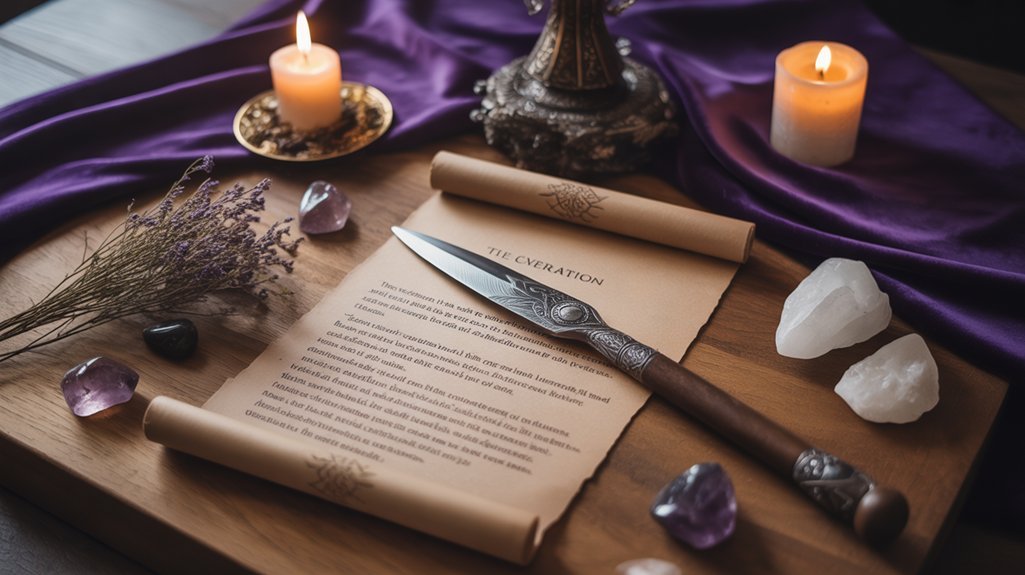
When you acquire new ritual tools, they carry energetic imprints from previous owners, manufacturers, and environments that can interfere with your magical intentions.
Without consecration, you’re working with objects that aren’t attuned to your specific practice or personal energy signature. Recognizing this misalignment is crucial; it raises an important question: how can you ensure your tools resonate with your unique energy?
As we explore the process of cleansing and consecrating your tools, you’ll discover why dedicating time to this practice is vital for effective magical work. Additionally, many practitioners believe that the healing power of witchcraft can amplify the effects of your rituals when tools are properly consecrated.
Root Causes
When I first started my journey, I remember feeling overwhelmed by all the tools and rituals out there. It took me a while to realize just how important it’s to prepare your tools before diving into any magical work. Have you ever felt that hesitation, like something’s just not right? That’s often a sign that your tools need some attention.
Ritual tools aren’t just props; they’re extensions of your intention. Because of this, they carry energy from everyone who’s touched them, and that can muddy your own intentions. Cleansing your tools helps clear away this “psychic clutter,” giving you a fresh start. You want your focus to be sharp, right? This preparation isn’t just busywork; it lays the groundwork for your practice.
So, how do you do this? Start with a simple cleanse using salt and water, or smoke from sage or palo santo. Just remember, if you’re using herbs or incense, check for any allergies or sensitivities. Set your intention clearly — what do you wish to achieve with the tool? Feel the energy shift as you do this. That’s enough for tonight; trust the process.
In my practice, I learned that dedicating your tools through thoughtful intention can truly enhance their effectiveness. It’s like creating a sacred space for your work. This distinction between the mundane and the sacred isn’t just a ritualistic step; it conditions your subconscious to engage more deeply during your practice. And yes, that takes time.
Ever tried dedicating a tool in a specific elemental way? For example, if you’re working with fire, hold your tool over a candle flame (safely, of course!) and visualize it being charged with that element’s energy. Or, if water resonates with your intention, let your tool soak in a bowl of saltwater. Just be cautious — ensure your tool can handle this method.
What I wish someone had told me early on is that patience is key. This won’t work for everyone right away, and that’s perfectly valid. Some practitioners might’ve different methods or beliefs, and that’s totally okay. Explore what feels right for you.
As you continue on this path, remember to source your tools ethically. Look for crystals mined responsibly or herbs harvested sustainably. It matters. This respect for the materials you use creates a deeper connection to your practice.
For your next step, I encourage you to pick one tool you’ve been meaning to work with. Cleanse it tonight, set your intention, and see how it feels. You might be surprised at the shift in your practice. The magic is in the details — your details.
Contributing Factors
Sure! Here’s the modified version of your text with the long paragraphs split:
—
Have you ever felt a special connection to an object, like a crystal or a piece of jewelry? I remember the first time I held a crystal that seemed to buzz with energy. It was a bit overwhelming, but I quickly learned that there’s so much more behind the scenes.
When you’re working with tools for your practice, a few key factors can really boost their effectiveness.
1. Energetic imprinting – Every tool has its history. It picks up vibrations from previous owners and the environments it’s been in. Think of it like a sponge soaking up everything around it. If you don’t clear that energy first, it can muddle your intentions. A simple cleansing ritual can do wonders. Ever tried smudging with sage or running it under cold water?
2. Lunar resonance – The moon’s cycles can influence the energy around us. Aligning your work with the moon phases can really amplify your intentions. For example, setting intentions during a new moon can be powerful for new beginnings. Mark your calendar and try it out — you’ll see a difference.
3. Elemental synchronization – Incorporating all four elements—earth, air, fire, and water—creates a balanced energetic framework. This is something I wish I’d known earlier! It helps ground your intentions and stabilizes your work.
You could light a candle (fire), use a bowl of water (water), burn incense (air), and place a stone (earth) on your altar. It’s simple, yet effective.
4. Psychological activation – Your mindset is a huge piece of the puzzle. When you focus your visualization and dedicate yourself to the process, you’re triggering pathways in your brain that amplify your belief in what you’re doing.
This belief can significantly enhance the tool’s effectiveness. Trust me, it makes a difference.
These factors come together to transform an everyday object into something truly powerful for your practice.
Take a moment to reflect on your tools. Do they feel charged? If not, try clearing them tonight. It doesn’t have to be elaborate. Just hold your tool, breathe deeply, and set the intention to release any old energy. That’s enough for now.
What I wish someone had told me when I started is that the process is just as important as the outcome. Be patient with yourself; results can vary. Some practices resonate more with different practitioners, and that’s perfectly okay.
Ready to dive deeper? Consider choosing one factor to focus on this week. Maybe you’ll align with the moon cycles or explore what elemental synchronization feels like for you.
Remember, your journey is unique, and that’s what makes it special.
—
Feel free to adjust any specific phrases or details to better fit your voice or style!
What the Research Says
The insights into consecration reveal a fascinating interplay between ritual and psychology, highlighting how intentional mental states can shape experiences.
Key Findings
Key Findings
Ever felt a little lost when it comes to consecrating your tools? I remember starting out and making a few missteps along the way. It can feel overwhelming, but I assure you, it’s much simpler than it seems. Here’s a practical way to approach tool consecration that blends physical cleansing with energetic and spiritual work.
Start with the Elements
When you’re ready to consecrate, think about the four elements: fire, air, water, and earth. Use them one after the other for maximum effect. For example, you might light a candle (fire) to set your intention. Then, waft some incense (air) around your tools. A bowl of saltwater (water) can help purify, followed by grounding your tools in the earth itself or even with crystals. This step-by-step method keeps things straightforward and powerful.
Personal Preparation
Before diving in, take a moment to cleanse yourself too. I’ve found that a simple breathwork exercise can work wonders. Clear your mind and space. Trust me, it makes a world of difference. You can even try smudging with sage or using sound to clear your energy. What I wish someone had told me back then? It’s all about how you feel in the moment.
Combining Techniques
You can blend traditional methods like salt immersion and smudging with your own energy work. When you meditate, visualize the purpose you want to imbue in your tools. This is where you channel your intention directly, making it personal. Remember, this won’t work for everyone, so listen to your gut.
Post-Ritual Maintenance
After your ritual, treat those tools as sacred. Use them right away, if you can. I’ve noticed that this keeps their energy vibrant. It’s like watering a plant—consistency is key. Some practitioners might’ve different views on this, and that’s perfectly okay.
So, are you ready to try this tonight? Grab a few items and set aside some time. You’ll be amazed at how these small steps can shift your practice.
Final Thoughts
As you explore this process, keep in mind that sourcing materials ethically matters. Look for sustainably harvested herbs and responsibly mined crystals. It honors the traditions we draw from.
And above all, be patient. Results vary, and that’s part of the journey. The first time I tried this ritual, I didn’t feel a thing, but later, as I continued to practice, the connection deepened.
Start there. You’ve got this!
Where Experts Agree
Have you ever felt that rush of excitement before a ritual, only to realize you forgot to cleanse your tools? I remember the first few times I jumped right in without preparing my space. It didn’t go well. That’s why I want to share with you the importance of purification as the first step in consecrating your tools.
Across various spiritual traditions, practitioners emphasize this foundational step. Clearing unwanted energy is crucial before diving into any sacred work. You’ll find that many cultures advocate for elemental cleansing—working with earth, water, air, and fire. Each element has its unique properties that can help you prepare your tools effectively.
Here’s a practical takeaway: start with a simple cleansing ritual tonight. If you have some salt, cleanse your tools with it. Just sprinkle a little salt on a plate, place your tools on top, and let them sit for a few hours. This simple act can help clear away any lingering energies. Trust me, it makes a difference.
What I wish I’d known as a beginner is that intention is just as vital as the ritual itself. You’re not just going through the motions; you’re infusing your work with purpose. Whether you’re anointing with oils, exposing tools to moonlight, or simply holding them in your hands, your intention shapes the energy you’re creating.
Remember, treating these practices as interconnected steps builds energetic momentum. Each phase feeds into the next. Respect the sequence. Maintain your focus. And when you’ve completed your ritual, handle those consecrated tools with the reverence they deserve.
As you explore different practices, keep in mind that this won’t work for everyone. Be patient—results can vary. Some practitioners disagree on the specifics, and that’s absolutely valid. We all have our unique paths.
So, what’s next? Let’s try incorporating an element into your cleansing tonight. If you have access to a natural body of water, you could gently wash your tools—just make sure they’re safe to get wet! If not, a simple bowl of water with a sprinkle of salt will do. You might even want to say a few words of gratitude or intention as you cleanse. This personal touch can amplify your connection to the process.
Finally, remember to source your materials ethically. Whether it’s crystals, herbs, or oils, look for sustainable options. This helps honor the traditions and energies we work with.
Now, as you prepare for your next ritual, think about how you can honor the tools that support your practice. The more you respect this process, the more profound your spiritual work will become. Ready to give it a try? Trust the process, and start there.
Where They Disagree
Starting out on this path, I remember feeling overwhelmed by the guidance on tool preparation. There were so many voices, each emphasizing different aspects of consecration. Ever felt that? Some folks swear by intricate rituals—circle casting, elemental exposure, the whole shebang. Others, though, believe that a simple, intentional approach is all you need. What’s your take on it?
Now, let’s talk about re-consecration. Some practitioners think tools need a refresh every so often, while others feel that consistent use keeps their energy alive indefinitely. I learned this the hard way; I once neglected my tools for too long and felt the difference. Trust your instincts here.
Then there’s the timing of consecration—should you do it right after cleansing, or is it okay to wait? The opinions vary. Personally, I like to consecrate right away; it feels more connected that way. But if you need to wait, that’s okay too. Start where you are.
Handcrafted items also spark debate. Some believe that the very act of creation automatically consecrates them, while others argue for a formal ritual regardless. For me, every piece I make carries a part of my energy, but I always do a little extra to seal the deal.
And what about dedication? Some practitioners insist that once a tool is consecrated, it must stick to its designated purpose. Others, like me, see flexibility as key. Our magical needs can evolve, and that’s perfectly valid.
If you’re feeling a bit lost, here’s a practical step you can take tonight: After cleansing your tools, spend a few moments holding them close, visualizing your intention for their use. That act alone can be grounding and powerful.
Engagement Break: What’s your experience with tool preparation? Do you lean toward ritual, or do you prefer a more straightforward approach?
Remember, every practitioner’s journey is unique, and there’s no one-size-fits-all answer here. Some of this advice mightn’t resonate with you, and that’s completely okay. The important thing is to find what feels right in your practice.
What I wish I’d known as a beginner was that it’s okay to adapt and experiment. As you explore these different perspectives, think about what resonates with you. Take your time, and don’t rush the process. There’s no wrong way to go about it as long as you’re being respectful and intentional.
Practical Implications
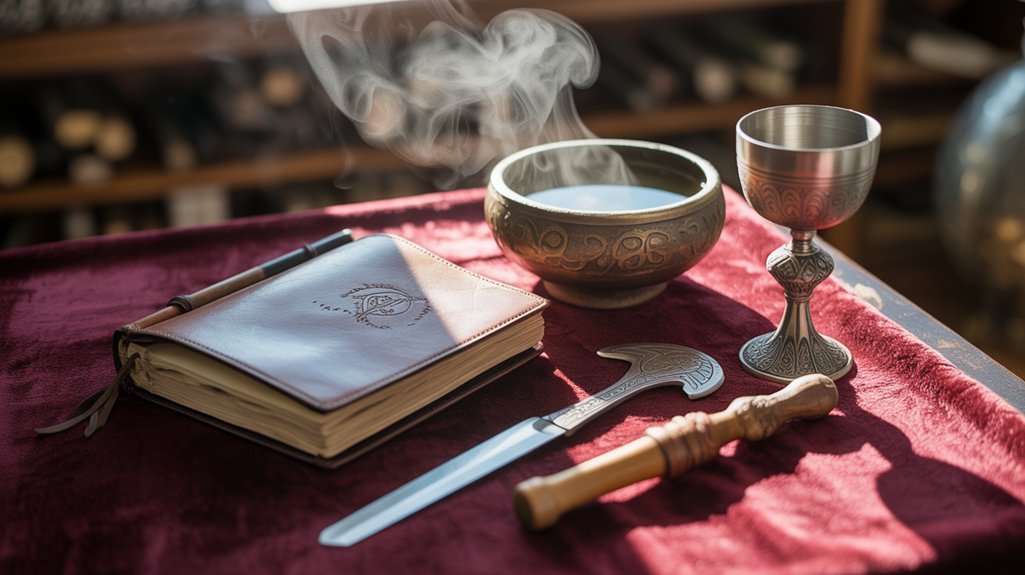
Grounding your consecration practice in concrete steps that resonate with your intentions and spiritual tradition is just the beginning.
What happens when you actually put this into action? Focus on techniques like elemental infusions, oil applications, or visualization work that feel authentic to you.
As you do, be mindful of common pitfalls—like skipping the cleansing phase or losing focus during ritual work—that can dilute the energetic weight of your tools.
Recognizing these challenges will pave the way for a more powerful and meaningful practice.
What You Can Do
How to Consecrate Your Ritual Tools
I remember the first time I tried to consecrate a tool. It felt overwhelming, like there were a million steps to follow. But here’s what I’ve learned over the years: simplicity and intention go a long way. You don’t have to be perfect; you just need to be present. Ready to dive in? Let’s make it practical.
1. Start with Yourself:
Before you even think about your tool, take a moment for yourself. A warm bath can do wonders. If you can, wear clean white linen; it helps create a sacred space.
And hey, consider some dietary restrictions for the day. This isn’t about being strict—it’s about creating a clear mindset. Trust me, it makes a difference.
2. Elemental Purification:
Now, let’s get into the fun part. Purifying your tool can be as simple as passing it through incense smoke. I love using sage or frankincense; they each bring their own energy.
If you’re feeling adventurous, lightly expose it to a candle flame—just make sure you’re in a fire-safe container, and never leave it unattended. You can also sprinkle some consecrated water on it.
Salt or crystals can amplify this process too, but do what feels right for you. There’s no one-size-fits-all here.
3. Visualization:
This step is where your intention really shines. Close your eyes and visualize white energy flowing through you and into your tool.
Picture it as already consecrated, filled with purpose. It might feel a little silly at first, but trust me, it’s powerful. I learned this the hard way: the more you believe in your intention, the more effective the ritual becomes.
4. Spiritual Invocation:
Finally, let’s call in that spiritual support. Use spoken rites or invocations that resonate with you.
If you work with specific deities or energies, don’t shy away from invoking them. Remember to do this within a cast circle, moving deosil (that’s clockwise!).
Offerings can be simple, maybe a bit of food or a flower—something that feels meaningful to you.
As you weave these practices together, you’ll create a powerful framework for consecrating your tools. Each step builds on the last, but don’t stress if it doesn’t feel perfect.
Some practitioners might find different methods work better for them, and that’s completely valid.
Want to try this tonight? Grab a tool you want to consecrate, and go through these steps. You might be surprised at how it feels.
What I wish I’d known as a beginner: it’s less about the “right” way and more about your unique connection.
Give yourself grace as you learn.
Ready to empower your practice? It’s all about the intention you put into it.
What to Avoid
Now that you’ve dedicated your tools with intention, let’s talk about what can throw a wrench in all that good work. Ever let someone else touch your consecrated items? It can really disrupt the energy you’ve built. So, it’s best to keep them to yourself. Trust me, I learned this the hard way.
Also, steer clear of using your tools for everyday tasks. If you’ve consecrated something, using it for mundane purposes can dilute its sacredness. Instead, consider cleansing those versatile tools regularly rather than trying to consecrate them.
When it comes to cleansing, be cautious with elemental methods. I’ve seen heat-sensitive items get ruined because someone submerged them in water or put them too close to a flame. A simple solution? Use symbolic representations, like ribbons, to signify water exposure without the risk of damage.
Now, let’s talk about intuition. If something feels off during your ritual, don’t ignore that feeling. It’s okay to adapt your approach. The path isn’t always linear, and that’s perfectly fine.
Consistency is key. Cleanse your tools seasonally, and if you ever get a hinky feeling about one of them, address it right away. Re-consecrate after any significant spellwork. Regular check-ins will help you avoid negative energy buildup and keep your practice sharp.
Ready for a practical takeaway? Try this tonight: Take one of your tools, cleanse it with intention, and set a specific purpose for it. Write that purpose down and keep it near the tool. It’s a simple step, but it can make a world of difference.
What I wish someone had told me as a beginner is that maintaining your tools is just as important as the rituals themselves. They’re not just objects; they hold your energy and intentions. So, nurture them, and they’ll serve you well.
Comparison of Approaches
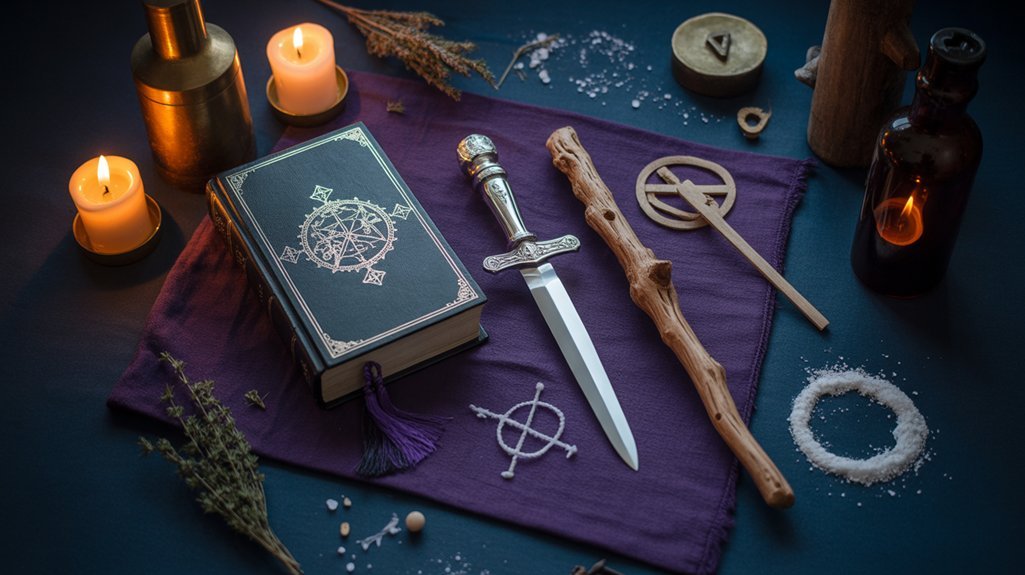
When I first started consecrating my tools, I was overwhelmed by all the options out there. Ever felt that? You might find yourself wondering which method to choose—elaborate ceremonies or simple, intuitive practices. Let me share what I’ve learned along the way.
Here’s a straightforward approach for you to try tonight: hold your tool in your hands, close your eyes, and visualize your intention. State its purpose out loud. That’s enough to kickstart your connection.
| Approach | Time Investment | Depth |
|---|---|---|
| Intuitive | Minimal | Personal |
| Elemental | Moderate | Extensive |
| Formal Ritual | Extensive | Complete |
If you’re leaning towards something simpler, the intuitive method is your friend. It’s quick and personal—perfect for those busy days when you need to stay grounded. I learned the hard way that efficiency doesn’t mean losing depth.
For those who crave more structure, elemental consecration can be a game-changer. This method uses the energies of air, fire, earth, and water in a systematic way. It might take more time, but it really helps align your tool with the elements.
Now, if you’re feeling adventurous, formal rituals can provide a deeper experience. They often require more preparation but bring a sense of ceremony and purpose. I remember the first time I planned a full ritual; the energy was palpable.
Your choice might depend on your available time or spiritual background. Trust me, there’s no right answer here. What I wish someone had told me when I started was that it’s okay to mix and match. Take bits from different methods to create something that resonates with you.
Safety Tip: If you’re using candles, always place them in fire-safe containers and never leave them unattended. And if you’re working with herbs, please consult a healthcare provider, especially if you’re pregnant or taking medications.
Feeling overwhelmed? That’s normal! Start where you are. Grounding your practice can be as simple as taking a few deep breaths and tuning into your intention.
Now, let’s break it down a bit. Have you ever connected with your tools through the elements? Here’s a quick method:
- Air: Light an incense stick or use a feather to cleanse your space.
- Fire: Light a candle (safely!) and visualize your intention igniting.
- Earth: Hold your tool and imagine it being rooted in the ground.
- Water: Use a bowl of water to wash your tool or sprinkle some over it, envisioning cleansing waves.
This elemental approach can deepen your practice without demanding too much time. Remember, some practitioners swear by these methods, while others might not resonate with them. That’s completely valid!
In my journey, I’ve found that the magic often lies in the intention behind the action. So, what’s your intention tonight?
Here’s a final takeaway: find a quiet moment, connect with your tool, and trust the process. You’re already on the right path.
Key Takeaways
Key Takeaways for Consecrating Your Ritual Tools
I remember when I first started my journey, feeling a bit lost and overwhelmed by all the options for consecrating my tools. It can be a bit much, right? But don’t worry; there are some straightforward, effective methods you can try that blend tradition with your personal touch.
Ready to give it a go? Here’s a practical way to start tonight.
- Elemental Integration – Think about how you can use air, fire, water, and earth to cleanse your tools. Each element addresses different energies. For example, you might pass your tool through the smoke of a sage bundle (air) or rinse it in a bowl of saltwater (water). You don’t have to use all four elements at once; just choose what feels right.
- Intentional Preparation – Before you start, take a few deep breaths. Clear your mind and set your intention. This mental clarity really amplifies the process. Ever felt that shift when you focus your thoughts? It’s powerful.
- Adaptive Techniques – Consider the size and material of your tool. For larger items, like a staff, try bringing elements to them instead of moving them around. It’s often simpler and feels more natural.
- Layered Blessing – This is where you can get a bit creative. Combine invocations with visualization and perhaps anoint your tool with oil or water. This multi-sensory approach helps anchor the energy more effectively.
What I wish I’d known as a beginner? Don’t stress too much about doing it “right.” Your personal interpretation is just as valid as any tradition. Start where you feel comfortable, and trust the process.
Ready to Try This Tonight?
Pick a tool you want to consecrate. Gather a few simple things: a candle (in a fire-safe container), some salt or herbs, and a quiet space.
If you’re using herbs, remember to check with a healthcare provider if you intend to ingest them, as some can interact with medications or aren’t safe during pregnancy.
Take a moment to breathe, set your intention, and begin with the elemental integration.
How does it feel to connect with the elements?
A Note on Ethics
As you gather your materials, think about where they come from. Look for ethically sourced crystals and sustainably harvested herbs. Respect for the earth and its resources is essential.
Remember: This won’t work for everyone, and that’s perfectly okay. Be patient with yourself as you explore. Some practitioners may have different views on these methods, and that’s valid too.
Take your time, and enjoy the process. Happy ritual crafting!
Frequently Asked Questions
Can I Consecrate Tools Without Formal Ritual Experience or Special Training?
Can I consecrate my tools without any formal training?
Yes, you can absolutely consecrate your tools without formal training. Start by using your intuition—say a prayer, anoint with oil, or pass your tool through elements like smoke or salt.
Just remember that your intention is key. If you’re interested in specific cultural practices, consider learning from practitioners of those traditions to respect their origins.
What should I do if I want to use herbs or oils in my consecration?
You can use herbs or essential oils to enhance your consecration, but be cautious. Some essential oils can cause skin irritation, especially during pregnancy, so always do a patch test first and consult a healthcare provider if you have concerns.
Focus on what feels right for you and adjust as needed.
Is it necessary to follow a specific ritual to consecrate my tools?
No, you don’t need a formal ritual to consecrate your tools. Keep it simple by setting your intention and using personal methods that resonate with you.
You might light a candle or meditate with your tool. Just ensure you’re practicing fire safety and keeping flammable materials away from open flames.
What’s the Best Time of Year or Moon Phase for Tool Consecration?
Q: When’s the best time to consecrate my tools?
Yes, new moons are ideal for consecration. They symbolize new beginnings and fresh energy.
To start, prepare your tools and set your intentions during the new moon phase. Just be aware that some cultures have specific practices, so consider learning from those traditions for deeper insights.
Q: Should I use full moons for my tools?
Yes, full moons are excellent for charging tools you’ve already consecrated. They amplify existing energy.
To use this time effectively, cleanse your tools and focus on their intended purpose. Always remember to keep safety in mind if you’re using candles; never leave them unattended.
Q: Can I consecrate tools on my birthday?
Yes, your birthday is a powerful time for consecration because it’s personal to you.
Set aside some time for reflection and intention-setting. Just make sure you’re in a calm space, as this helps you connect with your personal energy.
Q: Are there other special days to consider?
Yes, aligning your practice with sabbats like Beltaine can enhance your results.
These times often resonate with specific energies. Just ensure you’re familiar with the traditions behind these celebrations, and respect their cultural significance.
How Long Does a Consecrated Tool Remain Spiritually Active and Effective?
Q: How long do my consecrated tools stay spiritually active?
Your consecrated tools can remain spiritually active for days to months, depending on your ritual’s complexity and your intention’s strength.
To keep their effectiveness, use them regularly and perform periodic re-consecration every few months.
Remember, tools that sit idle may lose their vibrancy, so engage with them often.
Q: How can I extend the potency of my tools after consecration?
You can extend the potency of your consecrated tools through regular use and mindful maintenance.
This means incorporating them into your practices frequently and taking care to cleanse and re-consecrate them every few months.
Engaging with your tools actively helps maintain their energy and connection.
Q: Do I need to re-consecrate my tools?
Yes, re-consecration is important to maintain your tools’ spiritual charge.
Aim to re-consecrate them every few months, especially if you haven’t used them regularly.
This practice helps renew their energy and ensures they stay effective for your rituals and intentions.
Q: How do I know if my tools are losing their effectiveness?
If your tools seem less responsive or don’t feel as energetically vibrant, it might be time for re-consecration.
Pay attention to your intuition and how your tools resonate with you.
Regular engagement and maintenance will help keep their energy strong, so don’t hesitate to check in with them often.
Can Multiple People Jointly Consecrate a Single Tool Together Safely?
Q: Can multiple people consecrate a single tool together?
Yes, you can, but it’s best to do so carefully to avoid energy confusion.
One effective approach is to have one person lead the consecration while others support with their energy in a circle. This keeps individual influences clear and allows you to benefit from collective strength.
Always be mindful of each practitioner’s energy and intentions.
Q: Are there any safety concerns with group consecration?
Yes, safety is important. Ensure that everyone understands the tool’s use and any associated risks.
If using candles or other elements, follow fire safety protocols.
Also, if you’re incorporating herbs or oils, be aware of any allergies or sensitivities among participants.
It’s wise to consult with experienced practitioners or your local community for best practices.
What Should I Do if I Accidentally Break a Consecrated Tool?
Q: What should I do if I accidentally break a consecrated tool?
Yes, it’s important to handle this carefully.
Start by cleansing the fragments with sage smoke and spring water to purify any residual energies.
You can either ritually bury irreparable pieces or repair and reconsecrate them with fresh intent, which can deepen your connection.
Store the fragments in a closed box until you’re ready to work with them again.
Always be mindful of fire safety when using flame.
Conclusion
Cleansing your ritual tools is more than just maintenance; it’s a way to align them with your spiritual intentions. Tonight, take a moment to connect with your tools: light a single white candle and hold it for three minutes, focusing on the energy you wish to release and invite. Afterward, journal one sentence about what you felt during that time. This simple practice can deepen your relationship with your tools and enhance your rituals. Start there. Trust the process, and know that with each act of care, you’re building a stronger connection to your spiritual path. You’ve got this!
Amazon and the Amazon logo are trademarks of Amazon.com, Inc, or its affiliates.
Continue Your Magical Journey
Free Witchcraft Starter Kit
Get 6 free printable PDFs: grimoire pages, moon calendar, spells, crystals, herbs, and tarot journal.
We respect your privacy. Unsubscribe anytime.
Enhance Your Practice
As an Amazon Associate, I earn from qualifying purchases.