


As an Amazon Associate I earn from qualifying purchases.
Witchcraft, often shrouded in mystery and intrigue, has been associated with numerous myths and misconceptions through history. Originally practiced as a form of folk medicine and spirituality, witchcraft gradually became synonymous with evil and heresy, especially during the medieval and early modern periods. Today, the perception of witchcraft has shifted, with many seeing it as a legitimate spiritual path. However, centuries of misinformation have left a tangled web of myths. Experts have started to unravel these myths, examining the misconceptions that have permeated cultures worldwide and clarifying the truths behind them.
One common myth is the image of witches wearing conical hats and flying on broomsticks. This visual stereotype has its roots in medieval European folklore and popularized by works of fiction, such as “The Wizard of Oz.” Historians suggest that these depictions were used as propaganda during witch hunts to demonize the accused, often women, as practitioners of malevolent magic. In truth, brooms have been symbols of domesticity and, in some traditions, used in rituals to sweep away negativity.
Another persistent myth is that all witches practice black magic or engage with evil forces. This belief stems from the historical association of witches with the devil, especially during the European witch trials and the subsequent colonial puritanism in America. Modern witches, including those who identify as Wiccan, primarily focus on nature worship, personal empowerment, and healing. Magic, to these practitioners, is about intention and the manipulation of available energies for positive outcomes rather than malicious purposes.
The belief that witches are primarily women is another stereotype based on historical persecution patterns. The Salem witch trials and the European witch hunts disproportionately targeted women due to prevailing misogynistic beliefs about women being more susceptible to sin and spiritual corruption. However, historical records and modern practices acknowledge that men can and do practice witchcraft. The modern witchcraft movement recognizes practitioners of all genders, promoting an inclusive spiritual community.
One intriguing but false narrative is that witches have been notoriously secretive about their practices due to fear of persecution. While there is historical truth in the caution among past practitioners, today’s witchcraft has a significant presence both online and offline, fostering communities that share knowledge openly. The internet has democratized access to information and resources, allowing a more substantial number of people to explore and embrace these spiritual practices without fear.
A particularly pervasive myth is that witchcraft involves human or animal sacrifices. This misconception likely arose from misconstrued accounts of earlier pagan rituals, which may have included symbolic acts misunderstood by outsiders. Modern witches and Wiccans typically emphasize harm none as a foundational ethical principle, aligning with broader societal values against causing harm to living beings.
There is also the belief that witches can cast hexes or curses to control or harm others. While magical practices may include such elements, they are generally discouraged within most modern spiritual circles due to ethical considerations. Instead, many practitioners focus on positive spells aimed at self-improvement, protection, or healing. Research suggests that the practice of such positive rituals can have psychological benefits, such as increased self-esteem and emotional resilience.
The myth that witches worship the devil remains one of the most misunderstood aspects of modern witchcraft. Most contemporary witches follow an earth-centered religion that does not involve a figure akin to the devil. Historically, the association with the devil was a product of Christian interpretations of pagan practices. Instead, modern witchcraft often honors deities drawn from various mythologies or nature itself as sacred.
Another myth often encountered is the idea that witches possess supernatural powers, such as the ability to transform into animals or become invisible. These tales were largely fueled by fear and ignorance during historical witch hunts and were used to justify persecution. In reality, witchcraft involves practices related to energy work, meditation, and herbalism rather than supernatural powers.
Contrary to popular belief, witchcraft is not an elitist or exclusive practice only accessible to those born into it. Modern witchcraft is inherently inclusive and can be embraced by anyone interested in its spiritual or philosophical tenets. Books, online resources, and community gatherings offer pathways into the practice, helping individuals forge personal connections with its teachings.
Lastly, the idea that witchcraft is a stagnant practice, unchanged from ancient times, is far from accurate. Like any living tradition, witchcraft has evolved, adapting to contemporary cultural and social contexts. Just as science progresses by building on the findings of the past, so too does witchcraft, incorporating modern values and insights to remain relevant and meaningful to its practitioners today.
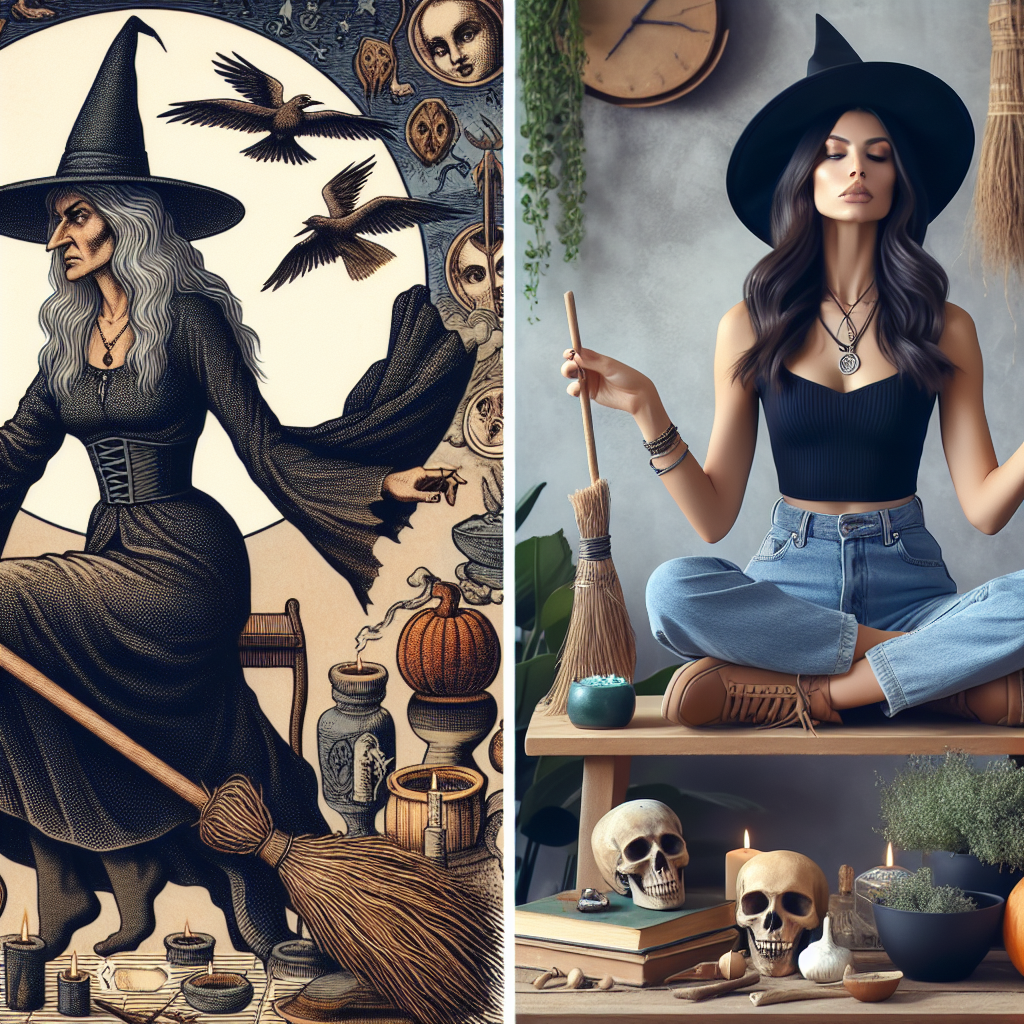
### Ten Witchcraft Myths Debunked by Experts
Witchcraft, a practice surrounded by mystery and misconceptions, has been the subject of numerous myths throughout history. Often misunderstood and stigmatized, witchcraft is not inherently malevolent or dangerous, as popular culture might suggest. In reality, many practitioners utilize it as a form of spiritual expression and personal empowerment. Experts in the field have addressed a variety of misconceptions, clarifying that witchcraft is diverse and often misunderstood. Whether it’s the belief that witches worship the devil, or the notion that all practitioners of witchcraft wear pointed hats and ride broomsticks, these myths often stem from historical propaganda and fear. By debunking these inaccuracies, we gain a clearer understanding of modern practices and beliefs associated with witchcraft. Following this introductory insight, the subsequent sections will delve deeper into each myth, providing evidence and expert testimonies to further illuminate the truths behind these long-held misconceptions.
## Myth 1: All Witches Worship the Devil
One of the most prevalent witchcraft myths is that all witches worship the devil. This misconception largely stems from historical misunderstandings and widespread fear during the witch trials in Europe and America. Experts clarify that most modern practitioners of witchcraft, often aligned with paganism or Wicca, do not believe in or worship a devil figure. Instead, they usually focus on nature, spirituality, and various deities, more often celebrating a goddess and a god symbolically representing the forces of life.
## Myth 2: Witches Can Instantly Cast Spells
The image of a witch waving a wand and creating instant magic is a staple in popular media but far from the truth. According to scholars and practicing witches, spellcasting is a process that involves intent, understanding, and sometimes complex rituals. It’s about harnessing natural energies and the focus of one’s own will. Thus, quick magical solutions are more fantasy than reality, with real spellcasting rooted deeply in personal and spiritual practice.
## Myth 3: Witchcraft is Inherently Evil
The notion that witchcraft is evil is a myth that has persisted for centuries. Expert advice highlights that witchcraft’s morality depends on the practitioner’s intentions, similar to any other belief system. Many modern witches embrace ethical practices, adhering to principles like the Wiccan Rede, which advises harm to none. Witchcraft, therefore, can be as benevolent or benevolent-agnostic as the individuals practicing it choose it to be.
## Myth 4: Witches are Always Women
Historically and culturally, witchcraft has often been associated with women, but this is another myth. Magical facts show that men have always participated in the practice as well. The term “witch” can apply to any gender, with contemporary witchcraft movements welcoming people of all gender identities. This inclusivity is reflected in more varied representations and acceptance within modern spiritual communities.
## Myth 5: Black Cats are Familiars
The belief that witches have animal companions called familiars, often depicted as black cats, is one of the most enduring witch myths. However, while many witches feel a profound connection to animals or nature in general, the stereotype is largely a cultural trope. In truth, not all practitioners have pets, and those who do can be as diverse as any pet owner, choosing their animal companions for personal rather than supernatural reasons.
## Myth 6: Witchcraft is Only About Casting Spells
Witchcraft encompasses much more than spell casting. Debunking this myth, experts explain that witchcraft involves a broad range of practices, including meditation, herbalism, astrology, divination, and ritual work. Many witches are committed to self-growth, learning, and connecting with the earth, making the practice as varied as its practitioners.
## Myth 7: Witches Can Fly on Brooms
Popular culture has long depicted witches flying on broomsticks, thanks to historical myths and folklore. Experts elucidate that this idea might have originated from shamanistic practices where brooms symbolized cleaning out negative energies. It’s a symbolic aspect, devoid of literal interpretation, and best understood as a metaphor for sweeping away negative elements in both the physical and spiritual realms.
## Myth 8: Witchcraft is a Uniform Practice
Another witchcraft myth is that all witches follow a single, unified practice. Witchcraft, in reality, is highly individualistic and diverse. Practitioners may follow different traditions such as Wicca, Alexandrian, or Hedge Witchcraft, among others. Expert advice suggests that it often combines eclectic elements and personal beliefs, shaped by cultural and spiritual influences.
## Myth 9: Witches Use Magic for Personal Gain
This myth suggests that witches selfishly use magic to gain wealth or influence. However, magical facts indicate that the ethical use of magical practice is stressed within many witchcraft communities. Many witches focus on healing, personal development, and helping others. The emphasis is often on balance, respect, and moral consideration, rather than personal enrichment.
Recommended for You
🛒 Witchcraft Books For Beginners
As an Amazon Associate we earn from qualifying purchases.
## Myth 10: Witchcraft is Incompatible with Other Faiths
Some believe witchcraft cannot coexist with other religious beliefs. However, many practitioners integrate elements of witchcraft into their own faiths, complementing their spiritual lives. While some choose to practice witchcraft exclusively, others find ways to honor multiple parts of their spiritual heritage, debunking the idea of incompatibility.
According to a 2017 Pew Research Center study, approximately 0.4% of the US population identifies with pagan or Wiccan beliefs, reflecting a growing acceptance and interest in diverse spiritual practices, challenging these myths by living authentically.
- What is the most common myth about witchcraft?
The most common myth about witchcraft is that it is inherently evil or malicious. This misconception stems from historical religious biases and popular culture portrayals.
- Do witches really practice black magic?
Not all witches practice what is stereotypically known as black magic. Many emphasize harmony with nature, healing, and positive energy. The practice varies greatly among individuals and communities.
- Are there different types of witchcraft?
Yes, there are various traditions and paths within witchcraft, such as Wicca, Hoodoo, and Druidry. Each has unique beliefs and practices.
- Is witchcraft associated with any particular religion?
Witchcraft is not tied to a single religion. While Wicca is a well-known pagan religion that incorporates witchcraft, practitioners can come from diverse spiritual backgrounds.
- Do witches worship the devil?
This is largely a myth perpetuated by historical antagonism. Most witchcraft traditions do not acknowledge the existence of the devil, who is a Christian figure.
- Can anyone become a witch?
Yes, anyone interested in learning and practicing the craft can become a witch. It often involves self-study, mentorship, and practice.
- Is there a witch ‘bible’ or official text?
While there is no single authoritative text for all witchcraft, many follow the Wiccan “Book of Shadows” or other path-specific readings.
- What tools do witches commonly use?
- Crystals
- Herbs
- Wands
- Candles
These tools are often used to focus energy, intentions, and rituals.
- Do witches perform rituals alone or in groups?
Both. Some practices are solitary, while others are conducted within covens, which are groups of witches who gather for rituals and fellowship.
- Is there a specific time when witchcraft is more powerful?
Many witches believe that certain lunar phases, such as the full moon or new moon, enhance the potency of rituals, but practices can occur at any time based on individual or group preference.
Conclusion
Throughout our exploration of witchcraft myths, experts have illuminated the misconceptions that have clouded this ancient practice. One prominent myth debunked was the notion that witches exclusively adhere to harmful magic or sinister spells, when in reality, many practitioners focus on healing and positivity. Perhaps the most persistent myth is the erroneous image of a witch riding on a broomstick, which is far from the complex and varied rituals that modern witches actually engage in today. Experts have emphasized that many myths stem from historical misunderstandings and a lack of knowledge about the diverse practices encompassed within witchcraft traditions.
Moreover, the article highlighted that witchcraft is not synonymous with evil; this myth has been perpetuated by cultural narratives and historical persecution. Additionally, the idea that all witches belong to a singular, secretive society was debunked, with experts clarifying the vast array of paths and religions that include witchcraft as one of their facets. Magic is often misinterpreted as violating natural laws, whereas practitioners regard it as working in harmony with nature. These insights reaffirm the necessity for an informed cultural understanding to dismantle harmful stereotypes. By dispelling these myths, experts advocate for a broader acknowledgment of the rich, diverse history and practices surrounding witchcraft, inviting an appreciation for its place in contemporary spiritual and cultural landscapes.
Amazon and the Amazon logo are trademarks of Amazon.com, Inc, or its affiliates.
Continue Your Magical Journey
Free Witchcraft Starter Kit
Get 6 free printable PDFs: grimoire pages, moon calendar, spells, crystals, herbs, and tarot journal.
We respect your privacy. Unsubscribe anytime.
Enhance Your Practice
As an Amazon Associate, I earn from qualifying purchases.