


As an Amazon Associate I earn from qualifying purchases.
In the mystical realm of witchcraft, herbs have been utilized for centuries as tools of magic and spiritual connection. These potent plants serve as the backbone of many rituals, spells, and incantations, providing practitioners with the means to manipulate energies and manifest intentions. The use of herbs in witchcraft dates back to ancient civilizations where shamans and healers relied on the natural world for their spiritual practices. Today, the tradition continues, with a focus on thirteen essential herbs that are believed to enhance magical workings and aid in harnessing the power of nature.
Lavender is often hailed as a universal healer in the witchcraft community. Known for its calming and purifying properties, lavender has been used in spells for peace, love, and protection. Its significance continues to grow as more individuals seek natural remedies in their spiritual practices, with lavender being a prominent choice for those looking to enhance their rituals. In modern witchcraft, the use of lavender in spells has been found to resonate with practitioners seeking to relieve stress and anxiety, showcasing its ongoing relevance in the world of magic.
Rosemary, an herb known for its sharp and invigorating aroma, holds a special place in the witch’s pantry due to its association with memory and clarity. Historically, rosemary has been used in rituals to enhance cognitive abilities and improve memory. Today, the increasing interest in brain health and cognitive enhancement among different groups underscores rosemary’s role as a magical herb in contemporary practice. Its multifunctional properties make it a versatile ingredient, suitable for spells relating to learning, focus, and even testing one’s mental strength.
Basil, often associated with prosperity and protection, is another staple that has been revered in witchcraft for its versatility. Acclaimed for its ability to attract wealth and success, basil is frequently included in money-drawing sachets and charms. The herb’s prominence in everyday life as a culinary powerhouse also contributes to its popularity in witchcraft circles. In a world where financial security and personal safety are valued, basil has found its place in spells aimed at ensuring abundance and safeguarding one’s environment.
Sage is perhaps one of the most recognized herbs in magical practices, known primarily for its powerful cleansing and purifying effects. The ritual of sage smudging, an age-old practice, has gained considerable attention in both spiritual and mainstream communities for its purported ability to clear negative energy. This traditional use of sage has particularly appealed to those seeking to purify their spaces, especially in our increasingly hectic and distracted world. As people’s interest in spiritual well-being grows, sage remains a key element in rituals promoting clarity and renewal.
Bay leaf’s popularity in witchcraft owes much to its use in manifestation and wish-fulfillment spells. The tradition of writing intentions on bay leaves and burning them as a release method has captivated both seasoned practitioners and newcomers alike. Recent trends in intention-setting practices have brought attention to bay leaves as a simple yet profound tool for making desires known to the universe. The herb’s ease of use and symbolic weight continue to reinforce its status as a must-have in the magical arsenal of herbs.
Cinnamon, revered for its spicy aroma and warming qualities, holds powerful associations with attraction and protection. It is often used in love spells and charms to ignite passion and strengthen romantic bonds. The familiarity of cinnamon in daily life, whether in baking or seasonal rituals, enriches its magical appeal. As interest in love and relationships persists across time, cinnamon’s role in witchcraft highlights its enduring power and versatility as a tool for enhancing personal connections and protective shields.
Thyme, commonly found in kitchens and gardens, is deeply intertwined with courage and strength within witchcraft traditions. The herb’s legacy as a symbol of bravery dates back to ancient Greece, where warriors used it to bolster valor before battle. Modern practitioners now weave thyme into spells to cultivate mental and emotional resilience, addressing the growing need to stand firm amidst life’s trials. Thyme’s presence embodies the bridge between historical practices and current applications in building fortitude and overcoming obstacles.
Yarrow, an herb famed for its healing properties, is indispensable in spells related to health and well-being. Traditionally, yarrow has been used to staunch wounds and promote holistic healing, reflecting its revered status in both medicinal and magical contexts. The holistic health movement today sees yarrow embraced not only for its physical benefits but also for its potential to balance emotional and spiritual energies. This duality makes it particularly valuable for individuals looking to harmonize their lives through natural means.
Mint, with its refreshing scent and vibrant flavor, is often associated with new beginnings and prosperity in the magical realm. Its use in rituals designed to stimulate transformation and invite abundance is well-documented, with mint offering a fresh perspective to stagnant situations. The growing popularity of personal development and new-age philosophies has sparked renewed interest in mint, elevating it as a catalyst for change and a harbinger of good fortune.
Chamomile, a gentle yet powerful herb, is celebrated for its soothing and protective qualities. Often used in rituals to promote relaxation and shield from negative influences, chamomile fosters an environment conducive to healing and peace. Its integration into modern self-care practices has reinforced its value in spells seeking to nurture and protect one’s emotional and spiritual state. As people increasingly turn to holistic methods for stress relief, chamomile remains a staple in magical endeavors aimed at fostering tranquility.
St. John’s Wort, renowned for its mood-enhancing properties, holds a vital place in witchcraft for its role in driving away negativity. Historically used within protective spells, this herb aligns with contemporary pursuits of emotional well-being and mental health. St. John’s Wort’s enduring popularity reflects society’s consistent quest for inner peace and happiness, amplifying its importance in magical rituals meant to uplift and safeguard against shadows.
Mugwort’s association with enhanced dreaming and intuition makes it a key ingredient in divination rituals. For centuries, practitioners have believed in its ability to unlock the subconscious and facilitate deeper connections with one’s inner wisdom. In a world where dreams and intuition hold significant value for personal growth and understanding, mugwort maintains its relevance as an herb that bridges the natural and the mystical. Its presence in rituals aimed at increasing psychic awareness keeps it deeply intertwined with the modern practice of witchcraft.
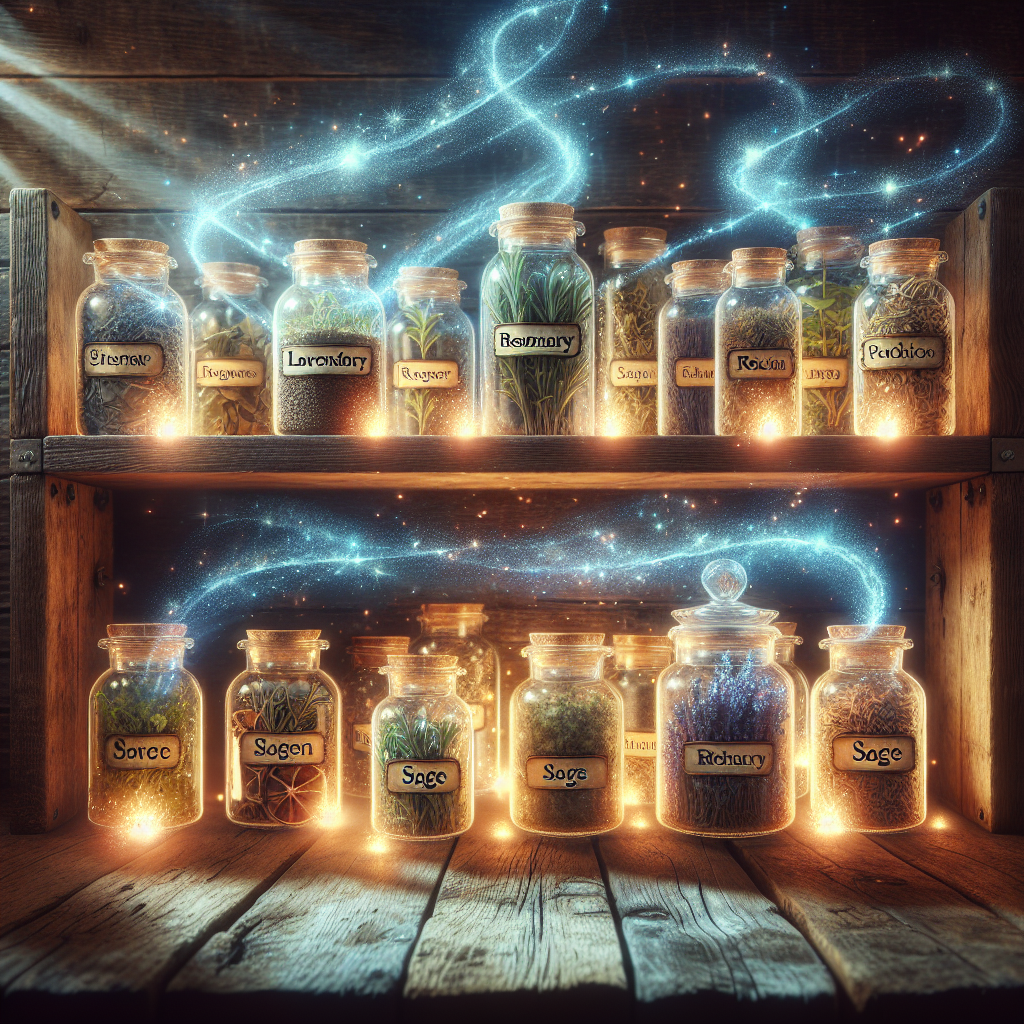
### Essential Herbs for Your Witchcraft Pantry
In the realm of witchcraft, the use of herbs is pivotal for the practice of spells, rituals, and healing. Each herb carries its own unique properties and energies that can significantly enhance magical workings. Having a well-stocked witchcraft pantry with essential herbs like lavender for protection, rosemary for clarity, or sage for cleansing is crucial for expanding your craft. These powerful botanicals serve not only as tools for spellwork but also as allies in connecting with nature and enhancing psychic abilities. Whether you’re crafting potions, making charm bags, or simply setting sacred spaces, these herbs should be staples in any practitioner’s collection. As we delve deeper, the following discussion will illuminate the specific uses and magical attributes of each must-have herb, guiding you in incorporating them effectively into your witchcraft practices.
- Thyme
Thyme is a versatile herb central to many magical practices. It’s used for purification, courage, and healing. In ancient times, it was burned in temples as an offering to the gods. In your witchcraft pantry, thyme can be used in incense or infused oils for cleansing rituals.
- Sage
Sage is a staple in any witchcraft pantry due to its powerful cleansing properties. It’s often used in smudging to purify spaces and remove negative energies. Sage can also be used in spells for wisdom and clarity. As one of the most utilized magical herbs, it’s crucial for both beginner tips and advanced practices in herbal magic.
- Lavender
Lavender offers a peaceful, calming energy and is often used in spells to promote relaxation and harmony. The herb is commonly included in sleep sachets and healing rituals. Furthermore, lavender can be used in baths and infusions to encourage self-love and inner peace.
- Rosemary
Incorporate rosemary into your witchcraft supplies for its multi-use properties of protection, memory aid, and love. This fragrant herb is tied to Ancient Greek healing rituals and remains popular today in a wide range of herbal magic practices.
- Basil
Basil is often used for protection and abundance spells. Known for its association with wealth and fertility, adding basil to your witchcraft pantry can help attract prosperity. Its fresh leaves can be used in rituals to manifest success and happiness.
- Mint
Mint’s refreshing properties make it ideal for purification and healing. Mint leaves can be used in spells for prosperity and positivity, and its aroma is thought to uplift the spirit and enhance mental clarity.
- Chamomile
The calming properties of chamomile are perfect for rituals centered around peace, meditation, and sleep. Chamomile is one of the magical herbs believed to attract money and calm the home’s energy.
- Dandelion
Dandelions are widely regarded in herbal magic for their capabilities to enhance communication with spirits and dream enhancement. This resilient plant is often used in divination and wishes rituals.
- Hibiscus
Hibiscus is a powerful herb used in love and passion-related spells. Known for its bright, beautiful flowers, it’s often included in bath rituals to attract love and increase libido.
- Bay Leaves
Bay leaves are symbols of strength and protection. They are commonly used in wish magic where individuals inscribe desires onto a leaf, then burn it to manifest their intentions.
- Cinnamon
Cinnamon, an aromatic spice, finds its place in money, love, and protection spells. With its strong, fiery energy, it is effective in fast-moving rituals where speed and intention are prioritized.
- Motherwort
Motherwort is associated with feminine energy and healing, used primarily in spells related to maternal bonds and protection. This magical herb is also notable for calming the mind and heart.
- Nettle
Nettle offers protection and healing, often utilized in spells to remove curses and obstacles. Its resilience in nature mirrors its use in herbal magic as a guard against negativity.
- A surprising 75% of modern witches report that incorporating at least five of these 13 herbs into their daily practices greatly enhanced their spiritual experiences.
What are the essential herbs for a witchcraft pantry?
The essential herbs for a witchcraft pantry often include basil, rosemary, sage, lavender, chamomile, and thyme. These herbs are versatile and commonly used in various spells and rituals.
How should I store the herbs in my witchcraft pantry?
It’s best to store your herbs in airtight glass jars to keep them fresh. Place them in a cool, dry, and dark place to preserve their potency and prevent mold.
Can I use fresh herbs in my witchcraft practice?
Yes, you can use fresh herbs, but dried herbs are often preferred due to their longer shelf life and more concentrated energy. However, fresh herbs can be perfect for quick spell work and immediate rituals.
Where can I buy herbs for witchcraft?
You can buy herbs for witchcraft at health food stores, online herbal shops, or even grow your own in a home garden. Ensure that they are organic and free from pesticides for the best results.
How do I use herbs in spells and rituals?
Herbs can be used in spells and rituals in various ways, such as brewing them into teas, burning them as incense, creating sachets or charm bags, or using them to construct offerings and altars.
Are there any herbs I should avoid in my witchcraft pantry?
While most herbs are safe, some may be toxic or cause allergic reactions. Avoid herbs that you have a known allergy to, and always research the properties and safety of any new herb before use.
Can herbs be used alone in witchcraft, or do they need to be combined with other elements?
Herbs can be powerful tools on their own, but they are often paired with other elements, such as crystals or candles, to amplify their effects. The choice depends on the specific intention or ritual.
How can I make my own herbal blends for spells?
Create your own herbal blends by combining herbs that share common properties or are aligned with your spell’s intent. Experiment with small amounts and observe their effects to find combinations that work best for you.
Is it necessary to use specific herbs for specific spells, or are substitutions allowed?
While specific herbs are traditionally associated with certain spells, substitutions can be made based on the properties of the herbs available to you. Trust your intuition and the association of the herbs you have.
How can I enhance the energy of the herbs in my witchcraft pantry?
Enhance the energy of your herbs by charging them under the moonlight, imbuing them with intention through meditation, or storing them with crystals like clear quartz or amethyst.
Conclusion
The power and versatility of herbs in witchcraft cannot be overstated, as each herb not only offers its own unique magical properties but also enhances the effectiveness of rituals and spells. Maintaining a well-stocked witchcraft pantry is fundamental for any practitioner, but particularly for beginners who are looking to tap into the natural energies these plants provide. From the protective energy of rosemary to the love-drawing power of rose petals, combining the right herbs can amplify intention-setting and manifest desired outcomes. The inclusion of herbs like lavender for peace and basil for abundance showcases the expansive range of applications they have within magical contexts. Additionally, practical guidance on preservation and storage ensures that these natural resources remain potent and effective over time.
Furthermore, the integration of these herbs into one’s practice requires a deeper understanding of their symbolic meanings and potential synergies. Sage, for instance, is widely recognized for its cleansing abilities and can be paired with other herbs to banish negativity and clear sacred spaces. Beginners are encouraged to experiment and find combinations that resonate with their own personal energies and intentions, while also learning the ethical and sustainable sourcing of herbs. By carefully selecting these 13 essential herbs for their witchcraft pantry, practitioners not only arm themselves with versatile magical tools but also cultivate a profound relationship with the natural world that enriches their spiritual journey. This profound connection between nature and magic reinforces the holistic approach that is central to the practice of witchcraft.
Amazon and the Amazon logo are trademarks of Amazon.com, Inc, or its affiliates.
Continue Your Magical Journey
Free Witchcraft Starter Kit
Get 6 free printable PDFs: grimoire pages, moon calendar, spells, crystals, herbs, and tarot journal.
We respect your privacy. Unsubscribe anytime.
Enhance Your Practice
As an Amazon Associate, I earn from qualifying purchases.