

As an Amazon Associate I earn from qualifying purchases.
Ever felt that rush of excitement before a ritual, only to realize you forgot a crucial ingredient? You’re not alone! Tonight, I want to share how you can start practicing witchcraft without spending a dime. After 10 years of navigating my own budget-friendly path, I’ve learned that some of the most meaningful rituals come from what you already have around you. You can try a simple grounding exercise using just your breath and intention—start there. Trust this: you don’t need fancy tools to connect with your craft. Let’s explore how you can embrace witchcraft on a college budget.
Key Takeaways
- Practice meditation and grounding exercises daily for 10 minutes to enhance your focus and strengthen your connection to your surroundings without any cost.
- Collect natural items like stones and branches for your altar; local parks and thrift stores can offer unique, meaningful pieces without breaking the bank.
- Use your college library’s resources or free online courses to deepen your witchcraft knowledge, saving money while accessing a wealth of information.
- Repurpose kitchen items like jars and herbs as magical tools; everyday objects can be just as effective as specialty supplies for rituals and spells.
- Rely on your intuition and personal energy instead of expensive materials; true power in witchcraft comes from your intent and connection to the earth.
Introduction
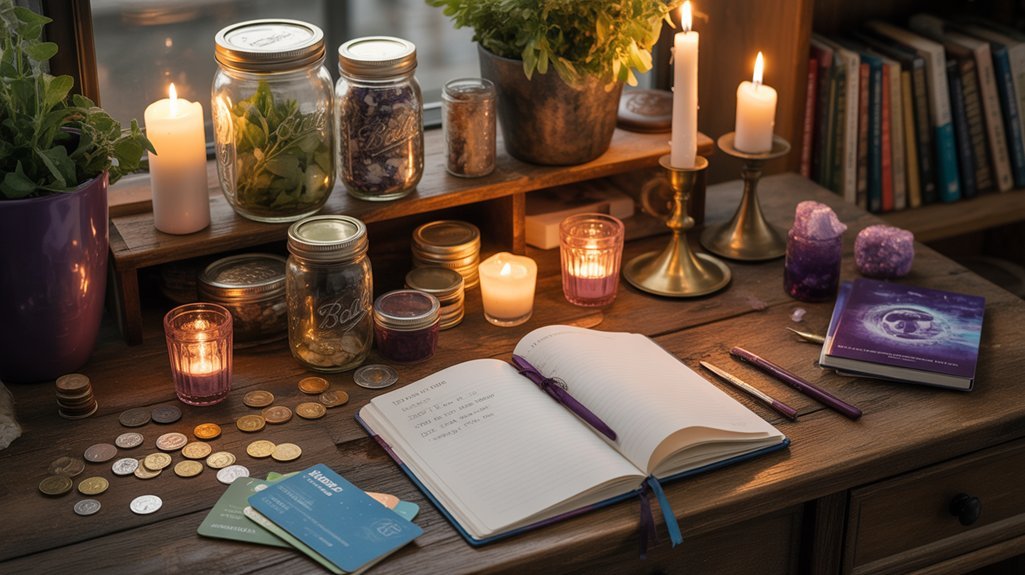
Ever felt like you need a treasure chest full of expensive supplies to start your magical journey? I remember those days. As a broke college student, I thought I couldn’t possibly practice witchcraft without a fancy altar or a collection of rare crystals.
But here’s the truth: you don’t need a trust fund to explore your spirituality. Your mind and body are incredible tools, capable of generating energy without costing a dime. Trust me, I learned this the hard way. Folk traditions thrived on what was available—think herbs from the garden, stones from the ground, and a little bit of intuition.
So, what can you do tonight? How about starting with a simple grounding exercise? Sit comfortably, take a few deep breaths, and visualize energy flowing through you. That’s enough to get started.
Dismantling Misconceptions
Let’s break down the myth that financial constraints limit your magical practice. You can engage in meditation, visualization, and energy work using free resources. In fact, many practitioners emphasize that traditional practices can often thrive on what is locally available.
Activities like circle casting, ancestor work, and divination rely more on your intention and presence than on expensive tools. In my practice, I often turn to books from local libraries or online resources—many of which are free.
I encourage you to explore your local library or trusted websites for scholarly articles. You’ll find that magic is more about what you bring to the table than what you buy.
Practical Tips for Beginners
Here’s a little practical advice: start collecting items that resonate with you—maybe a feather you find, or a stone that catches your eye. These can hold deep significance in your practice.
Remember, intention is key. Also, if you’re curious about herbs, seek out ones that are ethically sourced. Look for local herbalists or farmers who practice sustainable harvesting.
I once made the mistake of purchasing from a vendor who didn’t prioritize ethics, and it felt off. Your practice should align with your values.
Engage with Your Journey
Have you tried any rituals or practices yet? What worked for you? Remember, this journey is personal. Some practitioners find joy in a specific tradition while others blend elements from different paths. It’s all valid.
As you explore, keep safety in mind. If you’re working with candles, use fire-safe containers and never leave them unattended.
And if you’re considering herbs for ingestion, always consult a healthcare provider first. Some herbs can interact with medications or may not be safe during pregnancy.
What I Wish I’d Known
When I first started, I wish someone had told me that it’s okay to make mistakes. Every misstep is a lesson. Some practitioners may disagree on methods, and that’s perfectly fine.
What matters is finding what resonates with you. So, what’s next? Try creating a simple ritual tonight. Gather a few items around your home—a candle, a piece of paper, and a pen.
Write down your intentions for the week. Light the candle, focus on your goals, and when you’re ready, extinguish it, letting your intentions go into the universe.
Trust the process. You’re on your way, and every step counts.
The Problem
Navigating student debt, part-time work, and academic pressures can feel overwhelming, especially when you’re trying to incorporate witchcraft into your life.
So, how do you balance this spiritual pursuit with the relentless financial demands? The struggle is real, and it highlights a deeper issue faced by many students—finding ways to connect with their spiritual selves in an environment that often sidelines personal and cultural pursuits.
As we explore solutions to this dilemma, you’ll discover creative approaches to integrate your passion for witchcraft without compromising your financial stability. Additionally, understanding that witchcraft has once been deemed an occult practice can help you appreciate its evolving role in contemporary spirituality.
Why This Matters
Why This Matters
Ever felt that sinking feeling when someone mentions witchcraft accusations? I remember my early days, stepping into a world filled with both wonder and uncertainty. It’s tough out there. As witchcraft beliefs linger on college campuses, they create real gaps in legal literacy, mental health, and economic opportunities.
You see, about 82% of your peers mightn’t know much about witchcraft laws. That leaves you vulnerable to misinformation, especially during accusations. It can feel like you’re walking on eggshells, can’t it? This uncertainty can chip away at your sense of control and self-efficacy, leading to anxiety. I learned that the hard way—it’s a heavy weight to carry and can really impact your academic performance and mental resilience.
Here’s a practical takeaway: start by educating yourself. Look up local laws and find resources that clarify your rights. This knowledge is empowering; it might help you feel more grounded.
In regions where witchcraft beliefs are strong, I’ve noticed a trend: creativity and innovation tend to dwindle. You may find yourself in environments that discourage unconventional thinking. It’s a tough competition when 64.6% of public university students are uncertain about legal protections. You need to know your rights and have a safety net.
What I wish someone had told me early on is that self-education is your first line of defense. It opens the door to growth, entrepreneurship, and genuine intellectual freedom.
What You Can Do
Feeling overwhelmed? Start small. Look for community forums or local practitioners who can share their insights. Trust me, connecting with others can be both comforting and enlightening.
When you explore these topics, you’ll find that not all traditions are the same. Respect their origins and seek guidance when necessary. Some practices might come from closed traditions, and that’s important to honor.
What about safety? If you’re working with candles or herbs, remember to use fire-safe containers, and never leave them unattended. And if you’re thinking about ingesting any herbs, always check with a healthcare provider to avoid any interactions.
A Step You Can Take Tonight
Ready to dive in? Spend some time tonight journaling about your feelings around witchcraft and its implications in your life. Reflect on what you know and what you want to learn. This simple practice can help you clarify your thoughts and make a plan for how to pursue your interests safely.
In my own journey, journaling has been a powerful tool. It’s helped me to sort through my emotions and set intentions. And remember, this journey is yours—trust the process and be patient with yourself.
Who It Affects
Now that you’ve got some tools for protection, let’s talk about who might be feeling the weight of these issues. If you’re under 25, you may find yourself grappling with heightened beliefs about witchcraft and worries about legal matters. I remember feeling overwhelmed at that age, caught between tradition and my own thoughts.
If you grew up in a religious environment, those strong beliefs can shape how you see witchcraft—often as something serious that needs intervention. It’s a lot to unpack, isn’t it? You might notice that being in spaces that favor traditional beliefs over critical thinking can really impact your sense of self.
For those of us who value innovation and creativity, these beliefs can feel like a heavy anchor, dragging us down. I learned this the hard way. There was a time when I hesitated to share my ideas, worried about judgment. That anxiety can be suffocating, particularly for those who identify as women, who’ve historically faced the brunt of societal pressures during witch hunts.
Understanding these patterns can help you see if these cultural narratives are holding you back. Are they limiting your potential or your community’s growth?
Practical Takeaway: Try journaling tonight about your experiences with these beliefs. What resonates with you? What feels like a burden? Start there. It’s a safe space to explore.
And remember, results can vary. Not every practice will resonate with everyone, and that’s completely okay. The important part is to trust your own journey. You’ll find your path.
What I wish I’d known as a beginner is to be gentle with myself. It’s okay to feel conflicted. Embrace those feelings, and don’t rush the process. You’re not alone in this; many have walked a similar path.
If you’re ready to dig deeper, consider exploring the traditions that resonate with you. Just be mindful of where those practices come from, and seek guidance from experienced practitioners when needed. It’s a journey worth taking.
The Explanation

You’re likely facing witchcraft expenses because popular media and commercial platforms market expensive tools as necessary for “authentic” practice.
With social media influencers showcasing elaborate altar setups and witch-specific retailers capitalizing on trending spirituality, many believe spiritual power requires a monetary investment.
But what if the real magic lies in your mind, body, and intuition?
As we explore the essence of true practice, you’ll discover that you don’t need those costly items to harness your spiritual potential. In fact, many misconceptions about witchcraft emphasize the need for expensive tools rather than focusing on personal empowerment and connection to nature.
Root Causes
Witchcraft beliefs don’t just pop up out of nowhere. They’re woven into our lives through spiritual traditions, cultural patterns, and social dynamics. I remember when I first started exploring these paths—there were so many questions and uncertainties. Ever felt that?
When communities face misfortune—like illness, death, or failed crops—they often turn to witchcraft explanations. It’s a way to make sense of chaos, to find agency in situations that feel completely out of control. I learned this the hard way: sometimes, it’s easier to point to a cause than to accept randomness.
Psychologically, we’re wired to seek personalized answers, even when there are clear reasons for our struggles. Think about it—when you hear someone blame a witch, it often reflects deeper social tensions. Accusations can act as a release valve for community frustrations and a way to enforce norms.
And let’s not overlook institutional factors. Weak governance and low social capital can create fertile ground for witchcraft frameworks to take root. This isn’t just superstition; it’s a complex response to very real human fears and uncertainties.
What I wish someone had told me as a beginner is to approach these beliefs with respect. Each tradition carries its own history and wisdom. If you’re curious about exploring witchcraft, consider starting with something simple tonight.
Try This: A Grounding Ritual****
- Find a quiet space. Light a candle in a fire-safe container—never leave it unattended.
- Sit comfortably and take a few deep breaths. Inhale deeply, then exhale slowly.
- Hold a small crystal or herb that resonates with you (always check for ethical sourcing).
- Close your eyes and visualize a protective light surrounding you. Imagine it absorbing any negative energy.
- When you’re ready, open your eyes. Take a moment to reflect on your experience.
Trust the process. Remember, this won’t work for everyone, and that’s okay. Some practitioners may have different views, and those are valid.
If you’re ready, let’s talk about the significance of your chosen crystal or herb. Each has its own traditional associations, and understanding this can deepen your practice.
As you navigate this journey, be patient with yourself. It’s all part of the learning process. And always, always seek guidance from those within the traditions you’re drawn to. It’s a respectful way to honor the roots of these practices.
Start where you are. That’s enough for now.
Contributing Factors
When I first started my witchcraft practice on a tight budget, I felt overwhelmed. It seemed like everyone online was showcasing fancy tools and ingredients I just couldn’t afford. Ever felt that? The truth is, the biggest challenge isn’t finding the knowledge; it’s figuring out where to put your limited resources.
Here are a few things I’ve learned along the way:
- Social media can be a trap. Those shiny, expensive tools? They can create an illusion of necessity that leads to impulse buys. I remember feeling pressured to have the latest crystals or elaborate altar setups. But trust me, you don’t need all that to start.
- Information overload is real. With so many platforms sharing different practices, it’s easy to get sidetracked and end up spending on things that don’t resonate with you. I’ve been there, juggling multiple interests at once, only to feel scattered.
- Commercial gatekeeping often paints witchcraft as needing specialized products. But your mind and body are your most powerful tools. What I wish I’d known as a beginner is that the simplest practices often have the deepest impact.
Focus on foundational work. Meditation, energy work, and intuitive development are key. You can start tonight. Find a quiet spot, close your eyes, and take a few deep breaths. Just breathe. That’s enough for now.
Instead of splurging on new items, dive into library research or connect with local practitioners or online communities. This way, you replace expensive purchases with sustainable alternatives. It’s about growing your practice authentically, without the financial strain.
Practical Tip: If you want to explore herbs, start small. Research local stores with ethical sourcing practices. Look for dried herbs that resonate with you, and always consult a healthcare provider before ingesting anything.
And remember, safety first! If you’re working with candles, use fire-safe containers and never leave them unattended. Your well-being is the most important part of your practice.
What’s one tool or area you feel drawn to? Maybe it’s just a single herb or a simple crystal. Start there. You’ll find that as you deepen your practice, the right resources will come to you in time.
Lastly, take your time. This won’t work for everyone, and that’s perfectly okay. Be patient with yourself as you navigate your own path. Each step is part of your unique journey.
Ready to try something new tonight? Set aside a few moments for that meditation. It’s a great first step into building a grounded practice.
What the Research Says
Researchers largely agree that witchcraft operates within complex social, economic, and psychological frameworks, yet they diverge sharply on whether modern practices represent empowerment or exploitation.
As we explore the nuances of online witch communities grappling with commodification, it raises a compelling question: how do these beliefs intertwine with moral and criminal anxieties in African societies?
The answers reveal a deeper tension—does the evolution of witchcraft through social media and capitalism enhance spiritual identity, or does it fundamentally corrupt traditional practices?
Key Findings
As someone who’s been on this path for over a decade, I remember starting out—feeling excited but also a bit overwhelmed. You might be wondering how to dive into witchcraft without breaking the bank. Trust me, you don’t need to spend a fortune on fancy starter kits or “sacred items” from big retailers. Here’s a little secret: the craft is all about your connection to the world around you.
Ever thought about sourcing your altar components directly from nature? You can find beautiful items in forests, along shores, or even in your garden. Start there. It’s a grounding practice that connects you with the earth and your own intuition. Plus, it cuts out the commercial middleman.
In my practice, I learned this the hard way: community is everything. Connecting with others who share their knowledge can save you a lot on books and courses. It’s normal to explore different methodologies without feeling pressured to invest in expensive resources. Sharing wisdom is what keeps this craft alive and vibrant.
This shift toward accessible practices shows that witchcraft isn’t just a strict religious tradition—it’s a skill-based craft. You can try new things without feeling like you need permission. Want to experiment with a simple ritual tonight? Gather a few natural items, maybe a stone or a flower, and set them on your table. Light a candle in a fire-safe container—never leave it unattended! Take a moment to breathe deeply and set your intention. That’s enough for now.
What I wish someone had told me as a beginner is that it’s okay to make mistakes. You’ll learn and grow from them. Some practitioners might have different views on what materials or rituals work best. That’s valid. Find what resonates with you.
As you explore, remember to respect the origins of the practices you’re drawn to. If you’re working with traditions that are closed or semi-closed, seek guidance from those within those communities.
And speaking of materials, always consider the ethics behind what you use. Support sustainable herb harvesting and ethical crystal mining whenever possible. If you’re using herbs for ingestion, consult a healthcare provider first—this is especially crucial if you’re pregnant or on medication.
Feeling ready to dive deeper? Spend some time getting to know the plants and stones you gather. Sit with them, meditate, and see what messages they hold for you. This will deepen your ecological engagement and intuitive knowledge.
Where Experts Agree
Witchcraft often gets brushed aside as just fluff and fantasy, but I remember when I first dipped my toes into this world. It felt like stepping into the unknown, full of promise and uncertainty.
If you’re just starting out, here’s something to consider: witchcraft isn’t just a collection of rituals; it has real effects on communities and individuals. Research shows that beliefs in witchcraft often arise in places where social stability is shaky. It’s like a lifeline; people look for ways to regain control. Ever felt that?
What I wish someone had told me is that these practices are deeply intertwined with social connections and mental well-being. Studies indicate that places with stronger rule-of-law institutions see about a 9% drop in witchcraft beliefs. This suggests that when life feels chaotic, people turn to witchcraft for agency.
Now, let’s talk about the economic side of things. It’s easy to dismiss witchcraft as just spiritual mumbo-jumbo, but there’s a tangible relationship between social media, spiritual practice, and commerce. You might find that what you share online can have a real impact. This blending of spirituality and business is something I’ve seen evolve over time.
And here’s where it gets interesting: witchcraft is a performance too. It reflects who we’re through history, literature, and film, raising questions about gender, power, and identity that are still relevant today.
Try This Tonight:
If you’re curious, why not start by creating a simple altar? Gather items that represent your intentions—maybe a candle, some herbs, or crystals (just ensure they’re ethically sourced). Arrange them in a way that feels good to you. Trust me, this small act can serve as a grounding point in your practice.
Engagement Break: What’s one item you’d choose for your altar?
After years of working with herbs, I’ve learned to respect their origins. It’s essential to know where they come from and how they’re harvested. I always recommend checking with a healthcare provider before ingesting any herbs, especially if you’re pregnant or on medication.
Some practitioners might see witchcraft differently, and that’s valid. What works for one person won’t always work for another, and that’s part of the journey. Be patient with yourself.
Next Steps: As you explore, consider reading traditional texts or learning from established practitioners in your area. This can deepen your understanding and respect for the practices you’re drawn to.
At the end of the day, trust your intuition. What resonates with you mightn’t resonate with someone else. And that’s okay. Start where you’re and allow yourself to grow. That’s enough for now.
Where They Disagree
The first time I stumbled into the world of witchcraft, I was overwhelmed. So many voices, so many opinions. I remember feeling lost, trying to figure out what was “real” and what was just noise. It can be just as confusing today. Scholars don’t always agree on the roots and meanings of witchcraft, and that’s okay.
Some focus on spiritual experiences and the deep feelings they evoke, while others look at psychological and sociological angles. Ever felt that tug between what you believe and what others say? It’s normal. Some see witchcraft as a genuine spiritual practice, while others view it as cultural expression or a way to forge identity. Trust your instincts here.
When I first began, I learned the hard way that methodology matters. Some folks dig into historical texts, while others prefer to get up close and personal with ethnographic studies. This split can lead to very different interpretations of what witchcraft means today. What resonates for you?
Now, let’s talk about commercialization. It’s a hot topic. Some argue that commodification waters down authentic practices, while others believe it opens doors and makes knowledge accessible. I’ve seen both sides in my own practice. What I wish someone had told me back then is that it’s about what feels right for you.
Try This Tonight: If you’re curious about a particular tradition, research its origins. You might find that it comes from a closed or semi-closed culture. That’s important. Seek guidance from practitioners within those traditions if you can. It’s all about respect and understanding.
Grounding Practice:
- Choose Your Focus: Pick a tradition or practice that speaks to you.
- Research: Spend a little time tonight looking up its history and cultural significance.
- Reflect: Jot down your thoughts on how this resonates with you.
Remember, safety first! If you’re lighting candles, make sure they’re in fire-safe containers and never leave them unattended. And when working with herbs, it’s wise to consult a healthcare provider, especially if you’re thinking about ingestion.
As you navigate through different perspectives, remember: some practitioners disagree, and that’s valid. Everyone’s journey is unique.
Got any questions? Or maybe a practice you’re curious about? Let’s keep the conversation going. What’s on your mind?
Practical Implications
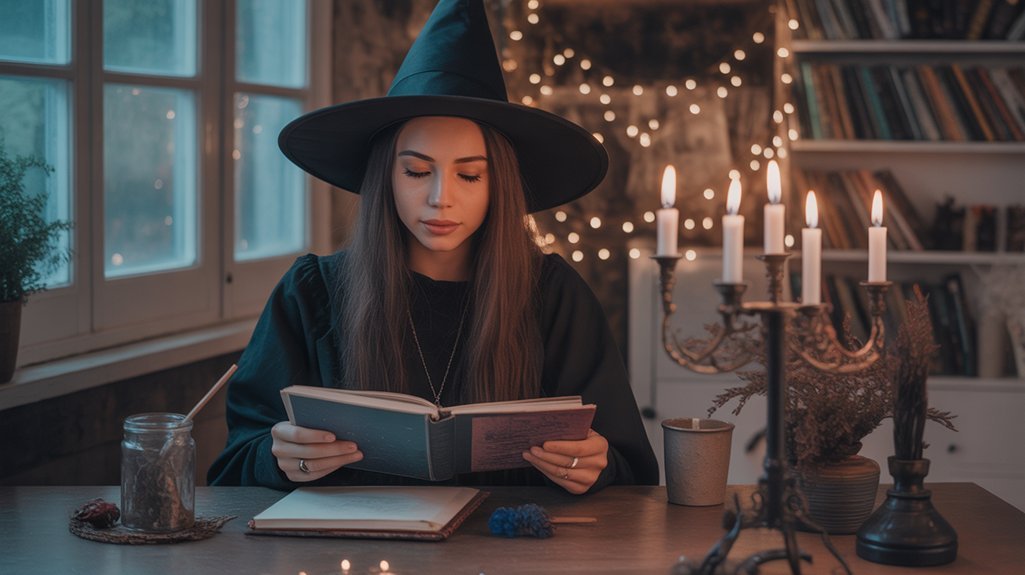
You can build a legitimate witchcraft practice through meditation, energy work, and moon cycle observance without spending money, while you should avoid the trap of purchasing trendy supplies based on social media trends rather than your actual spiritual needs.
Start by accessing free resources through your college library and online platforms, then selectively invest in secondhand tools only when you’ve clarified what genuinely serves your practice.
Your most powerful assets—intention, intuition, and consistent ritual work—cost nothing, so let those be your foundation before considering any material expenses.
With this foundation established, you might wonder how to deepen your practice in a meaningful way.
The next step is to explore techniques that elevate your spiritual journey beyond the basics.
What You Can Do
Once you decide to explore witchcraft without breaking the bank, it’s time to roll up your sleeves and get started. I remember feeling overwhelmed by the sheer volume of tools and supplies out there. But here’s the truth: you don’t need a lot of fancy items to work real magic. Let’s focus on what you already have.
Start with your mind. Meditate and visualize your intentions. I learned this the hard way—it’s often our mental state that shapes our magical practice. Ever felt that? Just sitting quietly can raise energy and set your focus. That’s powerful stuff, and it won’t cost you a dime.
Look around you. Foraging is a wonderful way to connect with nature. You can gather plants, stones, and other natural elements from local parks or your backyard. Just remember to do it ethically—only take what you need, and be mindful of local regulations.
Get creative with what you find. I’ve stumbled upon some beautiful things at thrift stores and flea markets. Items with a history hold energy; they can make great additions to your altar or magical space. Keep an open mind and be willing to see the magic in the mundane.
Focus on one aspect of your practice. It’s easy to get caught up in accumulating tools, but what I wish I’d known as a beginner is that simplicity often brings clarity. Use what you have at home—kitchen utensils can be magical instruments, too. Your intention and presence matter more than the price tag.
Ready to try something tonight? Grab a piece of paper and write down a simple intention. Then, find a small object around your home that resonates with that intention. It could be a stone, a candle, or even a kitchen herb. Hold that object in your hands, close your eyes, and visualize your intention. This can be a grounding practice that connects you with your goals.
Remember, witchcraft is a personal journey. Some practitioners might’ve different approaches, and that’s perfectly valid. Be patient; results can vary, and what works for one mightn’t work for another. Trust the process.
A quick safety note: If you’re using herbs or plants, double-check their safety for ingestion. Consult with a healthcare provider if you have any concerns, especially if you’re pregnant or on medication.
Ultimately, your magic comes from you. Trust yourself, and start where you are. That’s enough.
What to Avoid
While I was starting out on my witchcraft journey, I remember the excitement mixed with a bit of confusion. Ever felt that? It’s easy to get caught up in the allure of new practices, but it’s crucial to set some boundaries—especially when exploring on a budget.
First things first: always distinguish between your personal spiritual practice and the serious harm that witchcraft accusations can cause. I learned this the hard way. One thing you definitely want to avoid is engaging in practices that exploit vulnerable populations or promote harmful beliefs. That’s just not how we grow.
When participating in rituals, make sure you have explicit, informed consent from everyone involved. Trust me, power imbalances can easily lead to coercion, and that’s not something any practitioner should tolerate.
And what about those group settings? If opting out of a ritual feels like it comes with social penalties, that’s a major red flag. We want our practices to feel safe and inclusive. Respect others’ individual choices; your practice should never replicate institutional pressure.
Want to dive deeper? Here’s a simple exercise: think about your own boundaries. Write down what feels right for you in your practice and what doesn’t. Start there. That’s enough for tonight.
Now, let’s touch on something else—don’t perpetuate anti-science narratives. This can undermine our understanding of medical conditions and neurodevelopmental differences, which is harmful to everyone, especially marginalized groups.
As practitioners, we need to recognize when our practices come from closed or semi-closed traditions. Always seek out guidance from those within those traditions. Respect is key.
I remember my first time working with herbs; I was so eager, but I didn’t always check for potential interactions. Here’s a gentle reminder: if you’re considering using herbs for ingestion, consult a healthcare provider first. Some herbs can interact with medications or be risky during pregnancy.
Speaking of herbs, let’s talk about sourcing. Ethical crystal mining and sustainable herb harvesting are important. There are plenty of alternatives to endangered plants, and it’s our responsibility to respect the earth while practicing.
Now, if you’re looking for something to try tonight, how about setting up a small altar space? Arrange a few items that resonate with you—maybe a candle (in a fire-safe container, of course), some herbs, or crystals. Don’t overthink it! Make it personal, and trust the process.
What I wish I’d known as a beginner is that it’s all about the journey, not the destination. You’re not going to get it all right at once—and that’s perfectly okay. Be patient with yourself. Results vary, and that’s valid too.
As you move forward, prioritize informed consent, individual agency, and respect for diverse belief systems. Your practice should feel like a sanctuary, a space for growth and understanding. Ready to take that next step?
Comparison of Approaches
Discovering Budget-Friendly Witchcraft
When I first started my journey into witchcraft, I remember feeling overwhelmed by all the options out there. It seemed like every tool and resource came with a hefty price tag. But over the years, I’ve discovered that you can practice deeply and meaningfully without breaking the bank. Let’s explore five budget-friendly approaches to witchcraft that can fit right into your life.
| Approach | Cost | Time Investment | Accessibility |
|---|---|---|---|
| Mind and Body Practices | None | Low | Immediate |
| Free Research Resources | None | Medium | High |
| Foraging and Natural Sourcing | Minimal | High | Location-dependent |
| Thrift and Secondhand Shopping | Low | Medium | Variable |
| DIY and Household Alternatives | Minimal | Medium | Universal |
Ready to get started? Mind and body practices offer a wonderful way to connect with your energy right now, and they won’t cost you a thing. Ever felt that rush of grounding when you take a moment to breathe and center yourself? Start there.
Research resources, while requiring some time and patience, can deepen your understanding of traditions and techniques. I learned this the hard way—getting lost in books opened doors I didn’t even know existed.
Foraging is another exciting way to connect with nature’s cycles, though it does take a bit of environmental awareness. If you’re in a location with rich natural resources, it’s incredibly rewarding. Just remember, safety first—always be sure you’re properly identifying plants before using them.
Thrift shopping is a little treasure hunt that can yield wonderful finds—tools, books, and unique items. I’ve scored some incredible pieces that added character to my practice at a fraction of their retail price. It’s a fun adventure, but keep in mind that the availability can vary.
DIY alternatives allow you to maximize what you already have at home, which is both economical and creative. When I first started making my own herbal blends, it felt like magic. What I wish someone had told me is that it’s okay to make mistakes. Each attempt is a learning experience.
Layer Your Practices
Combining these methods can really enhance your practice. Try pairing free research with a foraging trip—each season brings different plants and energies. Supplement thrifted tools with your homemade items, grounding your practice in both the old and the new.
A practical step to take tonight: Grab a notebook and jot down some local plants you want to research. Maybe look into their traditional uses or how to safely forage for them.
Keep Safety in Mind
Remember, safety is key. If you’re working with candles, use fire-safe containers and never leave them unattended. When it comes to herbs, especially if you’re considering ingestion, consult a healthcare provider for guidance—some plants can interact with medications or aren’t safe during pregnancy.
You might find it helpful to connect with practitioners from different backgrounds, too. Respecting the cultural origins of practices shows reverence for their history.
Your Journey Awaits
This won’t work for everyone, and that’s perfectly okay. Be patient with yourself; results and experiences can vary widely. Some practitioners may have different opinions—embrace that diversity.
As you venture into these practices, remember that it’s about what resonates with you. Every step you take is part of your unique path. Keep exploring. Trust the process, and most importantly, enjoy the journey.
What’s your first step going to be?
Key Takeaways
As I reflect on my early days in witchcraft, I remember the overwhelming pressure to spend money on all the “right” tools. The truth? You don’t need to break the bank to nurture your spiritual path. It’s all about getting creative with what you already have.
Have you ever felt that rush of energy when you realize that your own body, mind, and intuition are your most powerful resources? I can’t stress enough how freeing that realization can be. You don’t need fancy gadgets. Instead, tap into your energy and intention, and use what’s around you. Household items can easily replace expensive tools without sacrificing effectiveness.
If you’re looking for ways to deepen your practice tonight, try this: gather a few common items from around your home—perhaps a candle, some herbs from your kitchen, or even a simple piece of paper. Set your intention, light the candle (safely, of course), and let your thoughts flow onto the paper. That’s enough to start.
In my practice, I found that libraries and free digital resources were goldmines for learning. Podcasts, blogs, and scholarly databases can broaden your knowledge without costing a dime. Ever stumbled upon an insightful podcast that shifted your perspective? Those moments are pure magic.
One key lesson I learned the hard way was to reject consumer pressure. Remember, many folk traditions thrive without the need for expensive purchases. By focusing on accessibility, you build a practice that feels authentic and sustainable.
Now, let’s take a moment to reflect. What’s one tool or item you’d be willing to repurpose for your practice? Maybe an old journal could become your book of shadows.
When it comes to herbs and rituals, always prioritize safety. If you’re considering using herbs for ingestion, make sure to consult with a healthcare provider, especially if you’re pregnant or on medication. And when working with candles, use fire-safe containers and never leave them unattended.
I wish someone had told me early on that this journey doesn’t have to be about what you buy; it’s about how you connect. Some practitioners may disagree, and that’s okay. Everyone’s path is unique.
For a practical step, consider creating a simple ritual with what you have at home. Maybe tonight, you can write down your intentions on that piece of paper, fold it, and place it under your candle. Let it burn for a few minutes while you focus on your goals. Trust the process.
Frequently Asked Questions
What Are the Best Affordable Online Communities for Witchcraft Practitioners?
Q: Are there affordable online communities for witchcraft practitioners?
Yes, there are many budget-friendly options. You can join the Missing Witches Coven for free events and a private circle that values inclusivity.
For just $10 a month, Our Coven by Jenny C. Bell offers mentorship. Additionally, check out free platforms like Witchy Discord servers, Pagan & Witches Amino, and Facebook groups to connect with fellow practitioners safely.
Q: Can I learn witchcraft without spending a lot?
Absolutely! You can start by joining free online communities and participating in events.
Many resources are available at no cost, allowing you to connect with others and share knowledge. Just remember to respect the traditions of others and seek guidance from those within specific practices.
Q: How can I ensure my witchcraft practice is safe?
Safety is key. When using candles, always keep them supervised and away from flammable materials.
If you’re working with herbs or essential oils, check for any allergies or contraindications, especially if pregnant. It’s smart to consult a healthcare provider before trying any new herbal remedies.
How Can I Create an Altar in a Dorm Room Without Getting Caught?
How can I create an altar in my dorm room without getting caught?
Yes, you can create a discreet altar. Start by choosing a shelf or corner that appears purely decorative.
Use items like candles, crystals, and cloths that blend in with your room’s decor. Make sure to select designs that emphasize aesthetics over obvious spiritual symbols.
Always prioritize fire safety when using candles, and consider how your practices might be viewed by others in your space.
Which Crystals Offer the Best Value for Beginner Witches on Tight Budgets?
Q: What crystals should I start with on a tight budget?
Yes, starting with Clear Quartz and Rose Quartz is a smart choice. They’re versatile and usually under $10 for tumbled stones.
You can also find Amethyst geodes for intuition and Black Tourmaline for grounding. Aim to spend around $20-30 to build a solid foundational collection.
Q: Are there affordable kits for beginners?
Yes, you can find starter kits that bundle about nine stones for around $26.99.
These kits offer a great way to experiment with different crystals without overspending. Just remember to choose a reputable source to ensure the quality of the stones.
Q: Do I need to cleanse my crystals?
Yes, cleansing your crystals is important to remove any accumulated energies.
You can do this by rinsing them under running water or smudging with sage. Just be cautious with softer stones, like Selenite, which could be damaged by water.
Q: Can I use crystals for healing?
Yes, many people use crystals for emotional and energetic support, but it’s important to consult a healthcare provider for any health-related issues.
Crystals can complement your wellness journey but shouldn’t replace professional advice or treatment.
Q: Is it okay to mix different crystals?
Yes, mixing crystals can be beneficial as they can work together in harmony.
Just be mindful of their individual properties and intentions. If you’re drawn to certain combinations, trust your intuition as you explore their energies.
Q: Are there any safety concerns with crystals?
Yes, while most crystals are safe to handle, some can be toxic if ingested, like certain stones containing heavy metals.
Always wash your hands after handling and avoid putting crystals in your mouth. If you have any health concerns, consult a healthcare provider before use.
Can I Practice Witchcraft Without Purchasing Expensive Spell Books or Grimoires?
Q: Can I practice witchcraft without buying expensive spell books or grimoires?
Yes, you absolutely can! Start by using free online resources like blogs, Pinterest, and social media platforms for guidance.
Your local library likely has books on witchcraft too.
Just remember, personal exploration is key, and always respect traditions—some practices are culturally specific, so learn from those within the tradition.
Where Should I Source Free or Cheap Herbs for Spellwork and Rituals?
Q: Where can I find free or cheap herbs for my spellwork?
Yes, you can easily source herbs without spending much. Start by checking your spice cabinet for items like bay leaves, thyme, and cinnamon.
You can also wander campus grounds or local gardens to look for calendula, mint, and aloe. Just be cautious about foraging wild plants; make sure you can correctly identify dandelion, yarrow, and nettle.
Q: Should I forage for herbs in local parks?
Yes, foraging can be a rewarding way to gather herbs. Look for common plants like dandelion, yarrow, and nettle.
Always double-check your plant identification to avoid any harmful varieties. Be mindful of the park’s regulations about foraging to respect local ecosystems.
Q: Can I ask gardeners for herbs?
Absolutely! Many experienced gardeners are happy to share cuttings or excess herbs.
Approach them with respect and gratitude, and you may build a valuable connection. Just remember that some gardeners may have specific practices or traditions they follow, so be open to learning.
Q: Are there any safety concerns when using herbs?
Yes, some herbs can be harmful if ingested improperly or used in excess.
Always research any herb you plan to use, especially if you’re pregnant or have health concerns. If you’re unsure about an herb’s safety, consult a healthcare provider for guidance.
Q: Can I use herbs from other cultures?
No, it’s essential to respect cultural traditions. Some herbs and practices are sacred and belong to specific communities.
If you’re interested in these traditions, seek out practitioners who can share their knowledge and ensure you’re honoring their customs properly.
Conclusion
Magic is all around you, waiting to be discovered through intention and connection. Tonight, take a moment to light a single white candle, hold your intention for three minutes, and then journal one sentence about what you felt during that time. This simple act can deepen your practice and help you connect with your inner self. Start there. Remember, your magic isn’t about how much you spend but the sincerity behind your actions. Trust the process, stay true to your values, and watch your spiritual journey unfold in beautiful ways. You’ve got this!
Amazon and the Amazon logo are trademarks of Amazon.com, Inc, or its affiliates.
Continue Your Magical Journey
Free Witchcraft Starter Kit
Get 6 free printable PDFs: grimoire pages, moon calendar, spells, crystals, herbs, and tarot journal.
We respect your privacy. Unsubscribe anytime.
Enhance Your Practice
As an Amazon Associate, I earn from qualifying purchases.