


As an Amazon Associate I earn from qualifying purchases.
Have you ever sat down with a crystal, feeling its cool surface against your palm, and wondered if it really could ease your anxiety? Tonight, I invite you to set an intention with a crystal that resonates with you—just hold it and breathe. After 10 years of practice, I can tell you that these small moments can bring unexpected calm. You’ll learn how to choose the right crystal for your emotional needs, blending intuition with intention. Start there. Trust this. You might find it’s just what you need to foster a little more peace in your life.
Key Takeaways
- Use Lepidolite and Smoky Quartz to ground scattered energy and reduce stress — their unique properties actively promote anxiety relief and emotional stability.
- Pair crystal healing with daily meditation and journaling for at least 10 minutes — this combination enhances emotional balance and strengthens your nervous system’s resilience.
- Choose crystals that resonate with you intuitively and set clear intentions — this personalized approach boosts their calming effects during your emotional healing journey.
- Cleanse your crystals regularly and meditate with them for 5-10 minutes while focusing on your breath — this practice amplifies their effectiveness in managing anxiety.
- Integrate ethically sourced crystals into your routine alongside professional mental health care — this combination offers a holistic approach to emotional healing and anxiety reduction.
Introduction
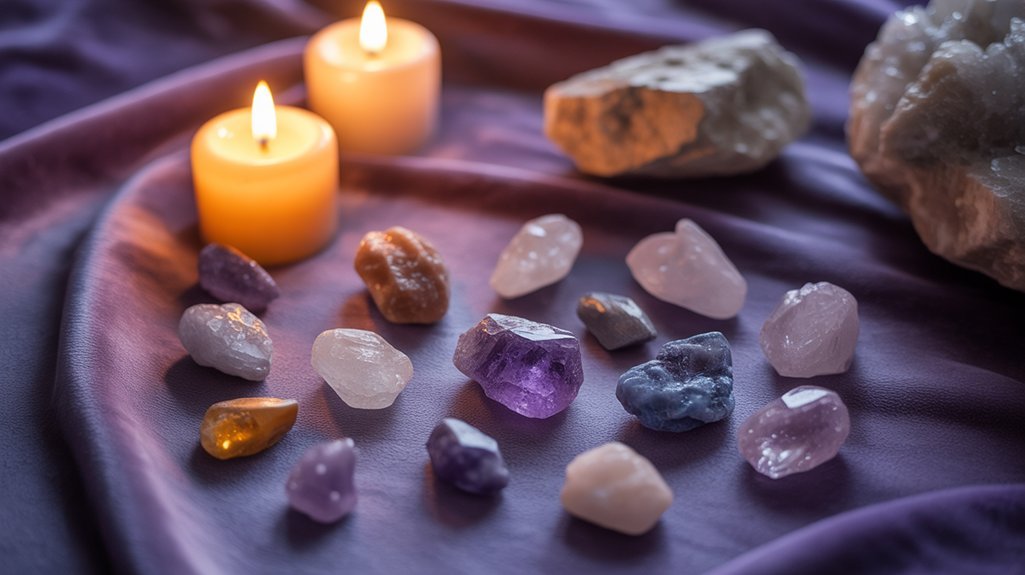
Ever felt that overwhelming rush of racing thoughts? I remember those days vividly. They can feel like a heavy weight on your chest, making it hard to breathe or focus. If you’ve been there, you’re not alone—many people turn to crystals for a bit of relief.
What I wish someone had told me when I started is that crystal healing isn’t just about pretty stones. It’s about connecting with their energy. A recent study found that 60% of crystal users reported feeling less stressed. That’s a promising start, right? Crystals are often chosen for their specific protective properties, which can enhance their effectiveness for emotional healing.
So, here’s a simple way to kick things off: pick a stone that resonates with you. Amethyst is great for calming the mind, while rose quartz is perfect for self-love. Hold it in your hand, close your eyes, and take a few deep breaths. Feel its energy and trust that it’s helping you ground yourself. That’s enough for tonight.
Connecting with Your Energy
Crystals work by aligning your body’s energy fields. They can help with emotional grounding by connecting to your chakras. The heart chakra, for example, is where we process emotions like love and self-criticism. It’s a big one for many of us.
After years of working with various stones, I learned that each one has its own unique vibration and traditional associations. For instance, citrine is often linked to abundance and positivity, while black tourmaline is known for protection against negativity.
This isn’t just folklore; these practices come from various traditions, and it’s good to respect their origins. If you’re drawn to a particular stone, there’s usually a reason.
Practical Steps for Beginners
Here’s how to work with crystals tonight:
- Choose Your Stone: Go with what calls to you. Trust your intuition.
- Cleanse Your Crystal: You can rinse it under running water or leave it in the moonlight for a night. Just be mindful of any specific care instructions—some stones can’t handle water.
- Set an Intention: What do you want from this practice? Calm? Clarity? Hold your stone and say it out loud or in your mind.
- Meditate: Sit comfortably, close your eyes, and focus on your breath. Hold the stone and visualize its energy enveloping you. Start with just a few minutes and build from there.
Reflecting on Your Journey
As you explore, remember that this mightn’t work for everyone, and that’s perfectly okay. Be patient with yourself. Some practitioners might say crystals are just placebo, and that’s valid too.
What matters is how it feels for you. If you’ve ever tried this before, what was your experience? Did a particular stone resonate with you? Sharing stories can really help build a sense of community.
Next Steps
As you continue your journey, consider keeping a journal. Write down your intentions, feelings, and any changes you notice. This can help you track your progress and deepen your understanding of how these stones work for you.
The Problem
You’re likely familiar with anxiety’s grip—it affects millions worldwide and can derail your daily life through stress, emotional eating, and sleepless nights.
Whether you’re struggling with persistent worry or searching for complementary approaches beyond traditional medicine, you’re not alone in seeking solutions.
This widespread challenge has sparked interest in alternative therapies like crystal healing, which many turn to alongside conventional treatments for emotional balance.
But how effective are these alternatives, and what can they offer in the journey toward relief?
Why This Matters
Why This Matters
Ever felt like you’re carrying the weight of the world on your shoulders? You’re not alone. Anxiety disorders touch the lives of hundreds of millions globally, yet so many of us struggle to find effective support. In my practice, I often see people who are part of that staggering 66% of adults seeking more emotional help. You might even resonate with the 44% who feel misunderstood in their journey.
Take a moment to reflect on this: only 27.6% of people worldwide receive any treatment for anxiety, and a mere 9.8% find adequate care. In the U.S., 43% of those with generalized anxiety disorder go untreated, even as anxiety rates rise. That’s concerning, especially when 43% of adults reported feeling more anxious in 2024 alone.
So, why does this matter? Untreated anxiety can lead to physical health issues. I’ve learned this the hard way; your emotional well-being plays a significant role in your recovery from chronic illness. Positive emotions can even enhance survival rates. Yet, there’s an 11-year average gap between when symptoms start and when treatment actually begins.
You deserve better. Start exploring solutions that resonate with you, especially those that complement traditional methods. Trust me, filling that critical care gap is essential. Ready to explore some practical steps tonight?
—
Practical Steps to Find Balance
- Start a Simple Journaling Practice: Grab a notebook and write down your thoughts. This can help you process emotions and identify patterns. Even five minutes can make a difference.
- Create a Calm Space: Light a candle in a fire-safe container and take a moment to breathe. Focus on the flame; let it ground you. Just remember to never leave it unattended.
- Explore Herbal Allies: After years of working with various herbs, I can tell you that simple ones like chamomile or lavender can be soothing. If you’re considering tea, consult a healthcare provider first, especially if you’re pregnant or on medications.
What I wish I’d known as a beginner is that small actions can lead to significant changes. They don’t have to be grand gestures. Sometimes, it’s the little things that cultivate a sense of peace.
—
Engage with Your Journey
As you try these steps, think about your experiences. What resonates most with you? Perhaps you find solace in journaling or lighting that candle. How do you connect with your emotions?
Remember, this journey is unique for everyone. Some practices may resonate deeply, while others mightn’t feel right. That’s perfectly valid. Be patient with yourself as you navigate this path.
—
Next Steps
As you continue on this journey, consider exploring meditation or mindfulness techniques. They can help ground you in the present moment, creating a buffer against anxiety.
Take a moment tonight to sit quietly. Close your eyes, breathe deeply, and simply observe your thoughts without judgment. That’s enough. Trust the process and know that you’re not alone in this.
Together, let’s keep moving toward understanding and healing. You’re doing great.
Who It Affects
Understanding anxiety can feel overwhelming, can’t it? I remember the early days when I first encountered it, both in myself and those I worked with. It’s crucial to realize you’re not alone in this.
About 301 million people worldwide are living with anxiety disorders—a number that’s been steadily rising since 1990. In the U.S., nearly one in five adults will experience anxiety each year, and about 31% will face it at some point in their lives.
If you’re a woman, you might feel this struggle more acutely; studies show women experience anxiety nearly twice as often as men. And for those aged 13 to 29, particularly young women, the vulnerability is even more pronounced.
LGBTQ+ youth face significant mental health challenges too, with two-thirds reporting recent anxiety symptoms.
That’s a lot of people, right? Yet, only about 25% of those affected receive the treatment they need. This gap highlights an urgent need for accessible and innovative solutions.
Now, let’s talk about what you can do. Start by recognizing your feelings. A grounding exercise can help: sit comfortably and take a few deep breaths. As you inhale, think of calmness; as you exhale, imagine releasing tension.
Just a few minutes of this can shift your energy. Have you tried something like that before?
In my practice, I’ve found that small steps can lead to significant changes. What I wish someone had told me when I was starting out is that it’s okay to seek help and that there’s no shame in feeling anxious.
You’re doing your best, and that’s enough.
The Explanation
You might wonder why crystals seem to ease your anxiety when scientific research finds no measurable effect beyond placebo. The answer lies in how your mind works—believers attribute crystal benefits to the stones themselves, but you’re actually triggering a psychological response through expectation and classical conditioning.
With this understanding in hand, let’s explore how this psychological mechanism can be harnessed for greater emotional resilience.
Root Causes
Ever felt that wave of anxiety wash over you, seemingly out of nowhere? I remember those days well. It’s like your mind and body hit a panic button that you didn’t even know existed.
But here’s the thing: that anxiety isn’t just random. It’s often rooted in a mix of factors that shape how we respond to stress.
Your genetics play a role, influencing how your brain handles neurotransmitters. Unprocessed trauma can keep you stuck in a constant fight-flight-freeze mode.
And let’s not forget the environmental stressors—those demanding jobs, unexpected life changes, and the unpredictability of daily life that can leave your nervous system on high alert.
Cognitive patterns, like negative thought spirals, can trap you in cycles of anxiety. And if you’re dealing with hormonal imbalances or nutritional deficiencies? That can amplify your vulnerability.
So, it’s not just one thing causing your anxiety. You’re navigating a web of interconnected systems: biological, psychological, environmental, and social.
Understanding this complexity can be empowering. It allows you to address the root causes rather than just the symptoms.
Try This Tonight
Start by journaling about your anxiety. What triggers it? What thoughts come up? Just let it flow.
This isn’t about judging yourself; it’s about understanding your patterns. That’s enough for now. Trust the process.
In my practice, I’ve seen how awareness can be the first step toward healing. It’s what I wish someone had told me when I was starting out.
I used to think I’d to fix everything at once, and that only added to my anxiety.
Engage with Your Experience
Take a moment to check in with yourself. What’s one thing you can do today to nurture your well-being?
As you explore this, remember that some practices come from rich traditions. If you’re drawn to meditation or herbal remedies, consider seeking guidance from practitioners within those traditions.
Respect their origins and approach them with an open heart.
Personal Practice Insights
After years of working with calming herbs like chamomile and lavender, I’ve learned how they can help ease tension.
But remember, this won’t work for everyone, and it’s wise to consult a healthcare provider, especially if you’re on medication or pregnant.
When you start incorporating these practices, be patient—results vary.
And that’s okay. Some practitioners might’ve differing views on what works best, and that’s valid too.
Next Steps
Ready to dive deeper? Consider creating a simple self-care ritual. Light a candle (in a fire-safe container, please!) and spend a few moments in quiet reflection.
Focus on your breath. What do you notice?
By acknowledging and gently exploring your anxiety, you can cultivate a more grounded approach to your well-being.
It’s a journey, not a race. You’re not alone in this.
Contributing Factors
When anxiety creeps in, it can feel like a heavy fog that just won’t lift. Ever felt that? You’re not alone. In my practice, I’ve seen how often it’s not just one thing causing that overwhelmed feeling—it’s usually a mix of factors working together. Understanding these can make a world of difference in how you manage anxiety.
Think about your day. Your nervous system is constantly reacting to various stressors that build up. Here are a few common culprits:
- Environmental triggers: Noise, crowds, or even too much screen time can heighten your baseline anxiety. Have you noticed how certain places make you feel more on edge?
- Physiological factors: Things like not getting enough sleep or drinking too much caffeine can amplify how you feel emotionally. I learned this the hard way—those late-night coffee runs didn’t serve me well.
- Cognitive patterns: Ruminating or jumping to worst-case scenarios can keep anxiety alive. Recognizing these thought patterns is a crucial step.
Start there. Just notice how these factors interact. For example, if you’re not sleeping well, you might find that environmental triggers hit harder. It’s a cycle that can feel relentless.
Here’s a practical takeaway: tonight, take a few moments to jot down what triggers your anxiety. This simple act of awareness can help you see connections you mightn’t have noticed before. Trust the process. You’re already on the right path.
As you explore these contributing factors, consider how you can intervene. Perhaps you adjust your caffeine intake or create a more calming environment in your home. What I wish someone told me as a beginner was that small changes can lead to big shifts.
If you’re looking for something actionable tonight, try this: create a calming space in your home. Light a candle in a fire-safe container—never leave it unattended. Add some soft music or a cozy blanket. This space can be your sanctuary when anxiety rises.
Remember, the journey is personal. Some practices work wonders for one person and not at all for another, and that’s perfectly okay. Be patient—results vary.
As you navigate these elements, keep in mind the importance of sourcing ethically. If you’re using herbs, consult with a healthcare provider, especially for interactions or pregnancy risks. And if you’re drawn to crystals, research their origins to ensure they’re mined sustainably.
Take a moment to breathe. That’s enough for now. You’ve got this.
What the Research Says
Building on the understanding that placebo effects primarily drive anxiety relief from crystals, it becomes essential to explore how these beliefs interact with other therapeutic practices.
What happens when you introduce elements like sound therapy and meditation? The real benefits often stem from the mindfulness these practices encourage, rather than the crystals themselves.
Key Findings
Let’s get real for a moment. Ever felt that flutter of anxiety creeping in? I know I have. In my early days, I turned to crystals, hoping they’d magically whisk away my worries.
But here’s what I learned: the scientific evidence doesn’t really back up their effectiveness beyond a placebo effect. I remember reading studies with 138 and 80 participants, and guess what? Real and fake crystals showed the same results—no significant changes in anxiety scores.
What I wish someone told me back then is that the real power lies in your mind. If you believe a crystal can help, you might experience some relief—just like a placebo. I found that believers in these stones often felt better, while skeptics didn’t notice a thing.
That’s because your mind can trigger a release of endorphins and dopamine when you expect healing. So, if you’re holding a crystal and feeling hopeful, that’s your body responding—not the crystal itself.
Start here: rather than relying solely on crystals, consider integrating mindfulness meditation into your routine. It’s proven to reduce anxiety and can be a powerful tool in your mental health toolbox.
Ready to try? Here’s a simple mindfulness practice you can do tonight:
- Find a quiet space. Sit comfortably, maybe with a favorite crystal in hand if you’d like.
- Close your eyes. Take a deep breath in through your nose, hold it for a moment, and then exhale slowly through your mouth.
- Focus on your breath. If your mind wanders, gently bring it back to your breathing.
- Set an intention. Maybe it’s to feel calm, centered, or simply to be present.
- Spend 5-10 minutes. Just you and your breath.
Trust the process. Some days will be easier than others, and that’s okay.
Remember, if you’re working with crystals, think about where they come from. Look for ethical sourcing to respect the Earth and the communities involved.
And if you’re considering herbs for anxiety relief, always consult with a healthcare provider first to ensure it’s safe for you.
It’s all about finding what resonates with you personally. Some practitioners may disagree with the scientific viewpoint, and that’s valid. We’re all on our own journeys, and what works for one mightn’t work for another.
As you explore, keep an open heart and mind. What I learned the hard way was that it’s okay not to have all the answers. Just take one step at a time, and you’ll find your path.
Where Experts Agree
If you’re exploring crystals for anxiety relief, you might be hoping for a magical cure. I get it—I’ve been there. I remember the excitement of trying different stones, thinking they could be the answer to my worries.
But here’s what I’ve found after years of practice: the scientific consensus is that crystals don’t have specific therapeutic properties for anxiety beyond the placebo effect.
What does that really mean? If you feel a shift when using crystals, it’s likely your mind’s remarkable ability to create change through expectation and ritual. That’s powerful! The placebo response can genuinely help reduce anxiety symptoms, and that’s something to value.
But let’s be clear: the crystals aren’t the active ingredient here.
Instead, think of crystals as supportive tools in your journey. They work beautifully alongside practices like meditation, breathwork, or therapy. The ritual of using them—like intentional placement and focused visualization—can prompt real changes in your nervous system. If having a crystal helps you stick to your anxiety management practices, that’s legitimate. Start there.
Try this tonight: Choose a crystal that resonates with you. Sit quietly and hold it in your hands. Visualize what you want to release—fear, tension, or negativity. Take a deep breath, and let that intention fill the space. Trust the process.
I learned this the hard way: it’s not just about the stone. It’s about your engagement with it. Some practitioners might disagree, and that’s valid. This won’t work for everyone, and that’s okay. Be patient with yourself and approach your practice with an open heart.
As you continue exploring, remember to consider the origins of your crystals. Ethical sourcing matters. Look for suppliers who prioritize responsible mining practices. It makes a difference—not just for you, but for our planet.
Ever felt that shift when you engage in a ritual? That’s the magic of your own intention. You’re the one creating change.
What I wish I’d known as a beginner is that it’s okay to interpret your practice personally. There’s no right or wrong way to connect with your crystals. Listen to your intuition.
Your next step: Create a simple ritual. Light a candle (safely, in a fire-proof container) to set the mood. Place your chosen crystal nearby. Breathe deeply and allow yourself to feel grounded. This moment is for you. That’s enough.
If you’re curious about other practices or traditions, explore them respectfully. Remember to seek guidance from experienced practitioners, especially when it comes to closed or semi-closed traditions. Your journey is uniquely yours—embrace it.
Where They Disagree
Ever felt that moment of uncertainty when exploring something new, like crystal healing? I remember when I first dipped my toes into it. I was eager, curious, but also overwhelmed. It’s easy to get caught up in the excitement, especially when you hear stories of transformation. But here’s what I wish someone had told me back then: take your time, and trust your own journey.
While many people find comfort in crystals, it’s essential to approach this practice with an open mind and a level head. For instance, some folks might feel less anxiety or improved moods after working with crystals. But remember, these experiences often stem from personal belief and the power of ritual. That’s not a bad thing at all—rituals can be grounding and soothing. Just don’t expect miracles.
In my practice, I’ve seen how important it’s to combine personal interpretation with traditional knowledge. Crystals have been used across cultures for centuries, but the results can vary. What works for one person mightn’t resonate with another, and that’s perfectly okay. If you’re drawn to a particular crystal, explore it! But also stay aware that there’s no peer-reviewed evidence backing crystal healing as a definitive treatment for anxiety or physical ailments. It’s about belief and intention.
Start with this: pick a crystal that calls to you. Sit quietly with it. Hold it in your hand and just breathe. Feel the weight, the texture. What thoughts or feelings come up? This simple practice can be a beautiful way to connect.
Now, as you explore, consider the origin of your crystals. Ethical sourcing matters. Look for crystals that are mined responsibly. You’re not just investing in a stone; you’re supporting a practice and a community.
What I learned the hard way is that it’s crucial to recognize the distinction between energy in crystal healing and the scientific definitions of energy. Energy in this context is more about personal experience and intuition.
Let’s pause for a moment. How does that feel?
Moving forward, always prioritize safety. If you’re incorporating any herbs or candles into your practice, ensure you’re using them wisely. For example, if you’re lighting candles, use fire-safe containers and never leave them unattended. And if you’re considering herbs for ingestion, check with a healthcare provider, especially if you’re pregnant or on medication.
It’s all part of respecting the process and your well-being.
As you dive deeper into your practice, remember: this won’t work for everyone. Be patient and allow yourself to learn and grow. Each step you take is a part of your unique journey. Consider journaling your experiences, too. Document how different crystals make you feel, or any shifts in your mood.
To wrap up, here’s a practical step you can try tonight: Find a quiet space, sit with your chosen crystal, and focus on your breath. What do you feel? Write it down. This reflection can be a powerful tool as you navigate your exploration.
Trust yourself as you learn. You’re more capable than you know.
Practical Implications
If you’re considering crystals for anxiety, it’s essential to integrate them with evidence-based practices like meditation or breathwork, ensuring a holistic approach rather than relying solely on crystals.
While these stones can enhance your mindfulness routine, they shouldn’t substitute professional mental health treatment.
As we explore how to effectively incorporate these tools into your life, let’s consider how to navigate the balance between crystal healing and traditional therapies.
What You Can Do
You’ve probably felt the weight of anxiety creeping in at the most unexpected times. I remember those moments all too well. It can be overwhelming, but here’s the good news: crystals can be a gentle support in your daily life.
Start with something simple tonight. Grab a piece of Amethyst or Smoky Quartz and keep it in your pocket or bag. You don’t need to overthink it—just have it close by. Trust me, having that little bit of energy can remind you to breathe when things feel heavy.
You might also want to try holding your crystal during meditation. I learned this the hard way: it helps deepen your focus and creates a calming space. Just sit comfortably, hold your crystal, and take a few deep breaths. Set an intention. It’s a small act, but it can shift your mindset.
Recommended for You
🛒 Healing Crystals Set
As an Amazon Associate we earn from qualifying purchases.
Creating a cleansing ritual is another essential step. Just run your crystals under cool water or pass them through the smoke of sage. This is a way to clear any energies they might’ve picked up. It’s straightforward, and you’ll feel a difference.
Remember, these practices can amplify your overall well-being, especially when paired with mindfulness or professional support.
What I wish someone had told me when I started is that consistency is key. It’s not about grand gestures; it’s the little things that build momentum. Start with these small, practical steps, and you’ll find your rhythm.
Ready to explore more? You can delve into the world of ethical sourcing too. Look for crystals that are mined responsibly—this makes a difference.
And if you’re interested in herbs or other tools, always consult a healthcare provider before trying anything new, especially if you’re pregnant or on medication.
What to Avoid
Building a crystal practice can feel so invigorating, can’t it? I remember the thrill of picking out my first stones, feeling like I was stepping into a new world. But here’s the thing: crystals can’t do everything, and I wish someone had told me that from the start.
First off, if you’re struggling with mental health, don’t ditch professional help. Crystals can complement therapy, but they won’t replace it. It took me a while to realize that real emotional work takes time and effort. Ever felt like you were just waiting for something magical to happen? You’re not alone, but lasting change doesn’t work that way.
And let’s talk about cost. I once thought pricier, polished stones were more powerful. That’s a myth! What matters more is the crystalline structure. Trust me—don’t let shiny appearances fool you.
If you’re hoping for instant anxiety relief, take a breath. The magic isn’t just in the stones; it’s in your mindfulness and intention. Improvements come from within, not just from holding a crystal.
Now, about those rules you might hear regarding storage or cleansing—skip those arbitrary guidelines. They often lack scientific backing. Instead, think of crystals as tools for mindfulness. The real journey is a blend of traditional practices and grounded, actionable steps.
Ready to get started tonight? Pick a crystal that resonates with you. Hold it in your hand for a few minutes, close your eyes, and focus on your breath. Allow yourself to feel the weight of it, not just physically but emotionally. What thoughts come up? That’s enough for now.
In my practice, I’ve learned to embrace the process—it’s about finding what resonates with you. Remember, this won’t work for everyone, and that’s completely okay. Be patient; results vary.
What I wish I’d known as a beginner is to honor the origins of these practices. Many come from rich traditions, and it’s respectful to seek guidance from those within those communities.
Comparison of Approaches
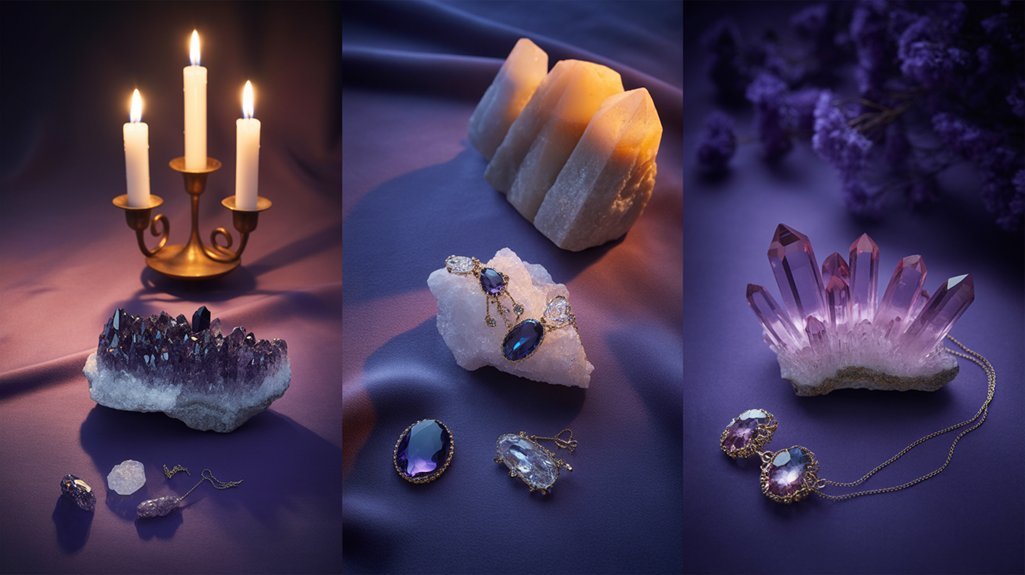
When I first started exploring crystals for anxiety relief, I was overwhelmed by the different paths I could take. It felt like everyone had their own opinion, and I often found myself asking—what really works? If you’re in that place now, trust me, you’re not alone.
Let’s break this down. You’ve got three main approaches to consider. First, there’s using crystals on their own. This method is all about belief—if you think it’ll help, it might. But remember, it’s mostly placebo-driven.
Then there’s meditation, which stands tall on its own. It’s clinically validated and can measurably reduce anxiety. Finally, you can combine crystals with mindfulness practices. This approach can enhance your experience, using crystals as a tangible anchor during meditation.
Ever felt that moment when you’re truly centered? That’s what this hybrid method aims for. Crystals can symbolize your commitment to anxiety management, while the meditation itself does the heavy lifting. In fact, many practitioners believe that witchcraft can foster empowerment, which may contribute to feeling more confident in your healing journey.
Try This Tonight:
Grab a crystal that resonates with you—maybe a calming amethyst or a grounding black tourmaline. Sit in a quiet spot, hold the crystal in your hand, and take a few deep breaths. Focus on the weight and texture of the stone. Let it ground you.
After years of guiding others, I’ve learned that integrating these tools can maximize your psychological potential. It’s not about replacing established treatments but enhancing them. You’re creating a toolkit that supports your journey.
Keep in mind, this won’t work for everyone. Some practitioners might disagree, and that’s valid. Be patient with yourself; results can vary.
Reflection Break
What do you think? Have you tried combining crystals with mindfulness before?
In my practice, I’ve seen that using crystals alongside meditation not only creates a peaceful routine but also builds a deeper connection to your intentions. It’s practical and grounded.
A Word on Safety and Ethics
When working with crystals, source them ethically. Look for suppliers who prioritize sustainable mining practices. This respect for the earth is crucial.
And if you’re considering any herbs or other materials, consult a healthcare provider, especially if you’re pregnant or on medication.
Next Steps
Start exploring! Choose a crystal and a mindfulness practice that feels right for you. Maybe it’s a few minutes of breathwork, or perhaps a guided meditation. Experiment. Trust the process.
What I wish I’d known as a beginner is that it’s all about what resonates with you personally. There’s no one-size-fits-all solution. Listen to your intuition, and let your journey unfold in a way that feels authentic to you. You got this!
Key Takeaways
Now that you’ve started to combine crystals with mindfulness, let’s focus on what truly counts.
Think of it this way: you’re gathering tools that can genuinely support your nervous system. For instance, Lepidolite‘s lithium content is known to help ease stress. Smoky Quartz can ground that scattered energy we all feel sometimes. And did you know Amethyst has a documented stress reduction rate of 60%? That’s more than just a happy coincidence.
Here’s the beauty of it—not mystical, just smart layering:
combining intention with mineral properties creates genuine anxiety relief.
- Pairing crystals with intention can deepen their calming effects on anxiety. Ever felt that when you hold a stone and set your mind to it?
- Choosing stones that align with your specific needs—like insomnia or racing thoughts—can make a real difference.
- Rotating your practice helps keep things fresh and your mind engaged. I learned this the hard way. Sticking to the same routine can lead to feeling stuck.
You’re not chasing magic here. You’re crafting a personalized anxiety management system that combines tactile ritual with the solid properties of minerals. That’s how modern wellness really works. In fact, many practitioners have found that the healing power of witchcraft can further enhance these practices.
Ready to Try This Tonight?
Grab a piece of Lepidolite or Smoky Quartz. Find a quiet spot where you won’t be disturbed. Hold your chosen crystal in your hand, close your eyes, and take a few deep breaths. Set a simple intention—maybe it’s to feel more grounded or to ease some stress. Just sit with that feeling for a few minutes. Trust the process. That’s enough.
A Little Personal Perspective
In my practice, I’ve noticed how pairing intention with the right stone can amplify its effects. The first time I truly felt this connection was with Amethyst. I’d a restless night, and just holding it while I meditated helped calm my racing thoughts.
Engagement Break
What about you? Have you ever felt a strong connection to a particular crystal? It’s fascinating how each of us can experience these energies differently.
Practical Considerations
As you explore, remember: safety first. If you’re using herbs, check in with a healthcare provider, especially if you’re pregnant or on medication.
And if you’re working with candles, always use fire-safe containers and never leave them unattended.
You might also want to think about where your crystals come from. Ethical sourcing is important, whether it’s mining or harvesting herbs. There are plenty of options out there that respect both the environment and the communities involved.
What I Wish I’d Known
When I first started, I wish someone had told me that results can vary. Some days, the connection feels strong; other days, it doesn’t.
And that’s okay. Be patient with yourself.
As you continue this journey, remember that grounding practices like these can be a beautiful way to manage anxiety.
Frequently Asked Questions
How Do I Choose the Right Crystal for My Specific Type of Anxiety?
Q: How do I know what type of anxiety I’m experiencing?
Identifying your anxiety type is crucial for effective management. Start by reflecting on your symptoms—are you dealing with generalized worry, social unease, panic episodes, mood swings, or sleep disruption?
Keeping a journal can help clarify your feelings and patterns.
Q: How do I choose the right crystal for my anxiety?
You’ll want to match your symptoms with crystals that resonate with your needs. For calming racing thoughts, consider amethyst.
For grounding, try hematite. Trust your intuition when selecting; your body often knows what it needs.
Q: Is it safe to use crystals for anxiety?
Yes, using crystals is generally safe, but always remember they’re not a substitute for professional help.
If you have specific health concerns or are pregnant, consult a healthcare provider before starting any new practice, including crystal use.
Q: Can I use crystals from any culture?
No, not all crystals are universally accessible. Some practices are rooted in specific cultural traditions.
It’s best to learn about these practices from knowledgeable practitioners within those cultures to ensure respect and understanding.
Can Crystals Interact Negatively With Psychiatric Medications I’m Currently Taking?
Q: Can crystals interact negatively with the psychiatric medications I’m taking?
No, crystals don’t have documented interactions with psychiatric medications. They’re biologically inert, meaning they won’t interfere with your medication’s effectiveness.
If you’re curious about incorporating crystals, consider using them as supportive tools, but don’t replace any prescribed treatments. Always consult your healthcare provider before making changes to your mental health regimen.
Where Should I Place Crystals in My Home for Maximum Emotional Benefit?
Where should I place crystals in my home for maximum emotional benefit?
You can optimize emotional benefits by placing crystals in specific areas. For calming effects, keep Amethyst under your pillow for restorative sleep and Rose Quartz near your bed for self-love.
In your living area, put Amazonite on your coffee table and Sunstone in a central spot.
For workspaces, Black Tourmaline on your desk can help shield against stress.
Always be mindful of your emotional needs when positioning crystals.
How Often Should I Cleanse or Recharge My Healing Crystals?
Q: How often should I cleanse my healing crystals?
You should cleanse your healing crystals at least once a month to keep their energy vibrant.
If you’re not noticing any disruption, it’s fine to skip cleansing for a few months. If you sense negative energy affecting their performance, cleanse them more often.
Remember, crystals naturally realign over time, but intense energy exposure might require a retune.
Q: Can I use any method to cleanse my crystals?
Yes, there are various methods to cleanse crystals, like running them under water or using sound.
However, some crystals are sensitive to certain methods, like water. Research the best practices for each type of crystal you have, and if you’re drawn to specific cultural methods, consider learning from practitioners within those traditions to respect their significance.
Are Certain Crystals More Effective for Children Versus Adults With Anxiety?
Q: Are certain crystals more effective for children versus adults with anxiety?
Yes, children often benefit from gentler stones like Sodalite and Rose Quartz for emotional balance.
For teens, grounding options like Red Jasper can be helpful.
To start, encourage them to select a crystal they feel drawn to.
Just remember, while crystals can support emotional well-being, they shouldn’t replace professional help.
Always consult a healthcare provider for anxiety concerns.
Conclusion
Finding the right crystals can be a beautiful part of your healing journey. Tonight, take a moment for yourself: light a single white candle, hold it gently, and set your intention for three minutes. Afterward, journal one sentence about what you felt during that time. This simple practice can help you connect with your inner self and the energies around you. Remember, it’s about exploring what resonates with you and nurturing your emotional well-being. Trust the process. You’ve got this.
Amazon and the Amazon logo are trademarks of Amazon.com, Inc, or its affiliates.
Continue Your Magical Journey
Free Witchcraft Starter Kit
Get 6 free printable PDFs: grimoire pages, moon calendar, spells, crystals, herbs, and tarot journal.
We respect your privacy. Unsubscribe anytime.
Enhance Your Practice
As an Amazon Associate, I earn from qualifying purchases.