

As an Amazon Associate I earn from qualifying purchases.
In the 15th century, the publication of the Malleus Maleficarum, or “The Hammer of Witches,” cemented the idea that witches were inherently evil figures to be feared and persecuted. This notorious witch-hunting manual claimed that Satan granted witches their powers, thereby vilifying them as malevolent forces working against the Christian order. Over the centuries, these depictions fueled mass hysteria and led to countless witch trials in Europe and America, where many innocent people were executed based on unfounded accusations. Today, understanding the origins of these myths is essential to dispelling the stereotypes and misconceptions surrounding witchcraft.
The belief that witches are evil has been perpetuated throughout history, but these myths have little basis in the practices and beliefs of modern witchcraft. Today, many practitioners of Wicca and other forms of neopaganism embrace witchcraft as a positive, nature-based spirituality that focuses on personal empowerment and harmony with the natural world. This redefinition of what it means to be a witch challenges the age-old association of witchcraft with malevolence. The continued rise of witchcraft in popular culture signifies a growing interest in alternative spiritualities and an increasing willingness to reevaluate outdated stereotypes.
A compelling statistic highlights this shifting perspective: according to a survey conducted by the Pew Research Center, approximately 0.4% of Americans identify as Wiccans or pagans, which translates to about a million individuals exploring these paths. This growing community reflects a broader movement towards spiritual diversity and acceptance of previously misunderstood practices. Furthermore, social media platforms have fostered vibrant communities where practitioners share knowledge and experiences, promoting a more accurate understanding of what modern witchcraft entails. By exploring these narratives, individuals can confront and dismantle myths that have long painted witches as inherently sinister figures.
## Are Witches Evil? Debunking the Biggest Witchcraft Myths
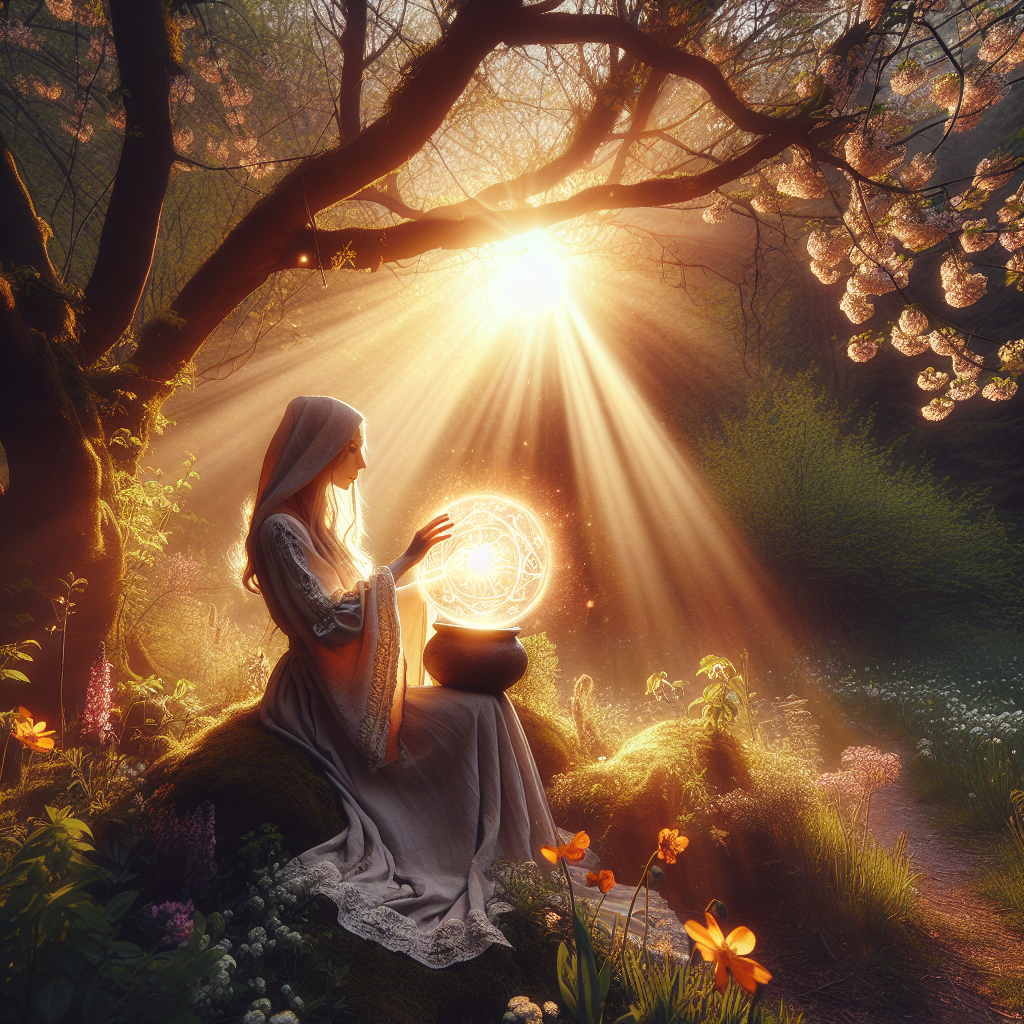
The perception of witches as inherently evil is deeply rooted in historical misconceptions and cultural myths. Far from the malevolent figures often depicted in folklore and media, witches and practitioners of witchcraft can be diverse in their beliefs and practices, many of which are centered around nature, healing, and personal empowerment. These stereotypes have evolved over centuries, often demonized by those who misunderstood or feared their ways. By shifting the narrative and examining the truth behind these myths, we can uncover a rich tapestry of traditions that challenge the negative portrayals of witches. In the following sections, we’ll explore these misconceptions in depth, offering a comprehensive understanding of witchcraft’s true essence and dismantling ingrained myths that have persisted for far too long.
Are Witches Evil?
To address the question of whether witches are inherently evil, one must first dispel the myths and understand the origins of these stereotypes. The historical portrayal of witches as evil beings stems largely from centuries-old misconceptions, religious persecution, and cultural misunderstandings. In reality, witchcraft is a diverse practice, and its practitioners incorporate various spiritual, religious, and cultural elements.
Many witches follow traditions that emphasize harmony with nature, respect for all living things, and personal spiritual growth. The idea that witches are evil often comes from historical demonization associated with witch hunts and negative media portrayals. Witches, like any other group, are varied individuals, and generalizing them as inherently evil overlooks the complexities and authentic spiritual beliefs that many hold.
Debunking the Biggest Witchcraft Myths
Myth 1: Witches Worship the Devil
One of the most pervasive myths is that witches worship the devil. This is a false assumption based primarily on misunderstanding. Many modern witches practice Wicca or other forms of neopagan traditions, which typically emphasize the worship of nature deities, ancestral spirits, or the concept of a universal energy. The truth about spells often reflects the belief in harnessing natural energy, rather than any malevolent force.
Myth 2: All Witches Cast Harmful Spells
Another common misconception is that all witches cast spells with harmful intent. In reality, ethical practices within witchcraft, such as the Wiccan Rede’s principle “harm none,” discourage negative or manipulative spellwork. Many practitioners focus on spells for healing, protection, or personal growth. A beginner guide to witchcraft typically stresses the importance of intention and ethical responsibility in spellcasting.
Myth 3: Witchcraft Is an Ancient, Unchanging Tradition
Witchcraft is often mischaracterized as a monolithic and ancient practice. In truth, it is a dynamic and evolving spiritual path that varies widely across cultures and individuals. Modern witchcraft often integrates new magical insights and practices tailored to personal belief systems and contemporary life, reflecting a broad spectrum of spiritual clarification and reinterpretation.
Myth 4: Witchcraft Is a Women’s Only Practice
While witchcraft has historically been associated with women, particularly during periods of persecution, it is a practice open to all genders. Spellcasting myths that depict witches exclusively as women ignore the contributions and participation of male practitioners throughout history and today.”
Myth 5: Witchcraft Is Inherently Dangerous
There is a belief that engaging in witchcraft invites danger or brings harm. However, many practitioners approach their craft with care, caution, and respect towards the energies they work with. Spiritual practices within witchcraft often emphasize protection and safety. Understanding the protective aspects can reveal the true essence of this spiritual path to skeptics and beginners alike.
Magical Insights into Modern Witchcraft
The modern witchcraft revival has led to the spread of knowledge and dispelling of misconceptions. With the rise of the internet, practitioners have easier access to resources and can share experiences and insights globally, leading to enhanced spiritual clarification. Many modern practitioners seek to combine traditional teachings with their personal experiences to create a craft that resonates with their worldviews and lifestyles.
State of Witchcraft in the Contemporary World: A Statistical Insight
- According to a 2021 study by the Pew Research Center, approximately 0.4% of Americans identify with pagan or Wiccan beliefs, illustrating an increasing interest in these spiritual paths.
- With the rise of ethical consumerism, the market for witchcraft-related products such as crystals, herbs, and ritual tools has grown steadily, reflecting the mainstream acceptance and interest in alternative spiritual practices.
Recommended for You
🛒 Witchcraft Books For Beginners
As an Amazon Associate we earn from qualifying purchases.
- Are witches inherently evil?
No, the portrayal of witches as evil is largely a result of historical misconceptions and fictional depictions. Many modern witches practice spiritual or religious traditions that focus on healing, nature, and positive energy.
- What are the origins of the myth that witches are evil?
The myth that witches are evil dates back to medieval times, when superstition and fear of the unknown fueled the persecution of individuals accused of witchcraft. Historical events like the Salem witch trials contributed to this negative stereotype.
- What practices do modern witches engage in?
Modern witches may engage in a variety of practices, including herbalism, meditation, astrology, divination, and celebrating the cycles of nature. These practices are often aligned with personal growth and environmental stewardship.
- Do witches worship the devil?
The belief that witches worship the devil is a myth. Many witches may follow polytheistic or nature-based spiritual paths, such as Wicca, which do not include the worship of a devil figure.
- Is witchcraft dangerous?
Witchcraft itself is not inherently dangerous; it depends on the intent and methods used by the practitioner. Many modern witches focus on positive rituals that promote well-being and harmony.
- Can anyone become a witch?
Yes, anyone can explore witchcraft if they have an interest in it. It often involves learning about different traditions, studying, and practicing various techniques. Witchcraft is a personal and diverse path that can accommodate various beliefs and practices.
- What is the difference between a witch and a Wiccan?
Wicca is a specific modern pagan religious movement that has its roots in witchcraft, but not all witches are Wiccans. Wicca typically involves specific rituals, beliefs, and deities, whereas witchcraft can be more eclectic and personal.
- Do witches cast spells?
Some witches incorporate spellcasting into their practices, but it’s not a requirement for all. Spells are often seen as focused intentions or prayers, intended to bring about positive change or self-improvement.
- Why do some people fear witches?
Fear of witches often stems from centuries of misinformation, cultural narratives, and religious doctrines that painted witches as malevolent beings. The unknown aspects of witchcraft can also incite fear in those unfamiliar with it.
- How should one approach learning about witchcraft?
Approaching witchcraft with an open mind and a respectful attitude is important. Studying reputable sources, attending workshops, and connecting with experienced practitioners can provide a valuable introduction to the diverse world of witchcraft.
Conclusion
In dissecting the concept of witchcraft, the article makes it clear that the portrayal of witches as inherently evil figures is more a construct of historical biases and sensationalized folklore than reality. Magic and spells, far from being tools of malevolence, are often rooted in positive intention and personal growth. These magical insights reveal that spellcasting is less about wielding power over others and more about self-reflection and alignment with spiritual energies. Beginner guides often emphasize the importance of understanding these spiritual dimensions rather than simply mastering rituals, suggesting that the true essence of witchcraft is an exploration of one’s inner world and connection with natural forces.
Moreover, the article tackles common spellcasting myths, clarifying that the effectiveness of spells is deeply tied to the practitioner’s belief and intentions rather than supernatural interference. This depersonalizes the fear associated with witchcraft, portraying it as a personal spiritual practice rather than a universally malevolent one. Through spiritual clarification, readers are encouraged to view witches not as purveyors of harm but as individuals seeking deeper understanding of themselves and their environments. Thus, by debunking these deeply ingrained myths, the article redefines witchcraft, presenting it as a complex, nuanced practice far removed from the menacing stereotypes proliferated throughout history.
Amazon and the Amazon logo are trademarks of Amazon.com, Inc, or its affiliates.
Continue Your Magical Journey
Free Witchcraft Starter Kit
Get 6 free printable PDFs: grimoire pages, moon calendar, spells, crystals, herbs, and tarot journal.
We respect your privacy. Unsubscribe anytime.
Enhance Your Practice
As an Amazon Associate, I earn from qualifying purchases.