

As an Amazon Associate I earn from qualifying purchases.
You know that moment during a ritual when you feel a rush of energy and wonder if your intentions really matter? Maybe you’ve asked yourself whether what you send out will come back threefold. Tonight, let’s explore how your magical intentions can shape your practice and the ethical considerations that come with them. After ten years of practice, I can tell you that reflecting on our desires is crucial. Try taking a few minutes to journal about your intentions before you cast your next spell. Start there. It’s a simple step toward being a more mindful practitioner.
Key Takeaways
- Reflect on your intentions before casting spells using a journaling method — clarity ensures your magic aligns with your true desires and minimizes unintended consequences.
- Source materials ethically by dedicating at least 30 minutes each week to research suppliers — responsible sourcing builds trust and supports sustainable practices in the community.
- Ground yourself after spellwork for 10 minutes — this maintains your energetic balance, preventing burnout and ensuring clarity in future magical practices.
- Understand the Rule of Three by assessing your actions through a personal lens — this promotes accountability and helps cultivate a positive, mindful approach to magic.
- Engage with your community regularly, aiming for at least one group gathering each month — collaboration strengthens bonds and dispels harmful myths surrounding witchcraft.
Introduction
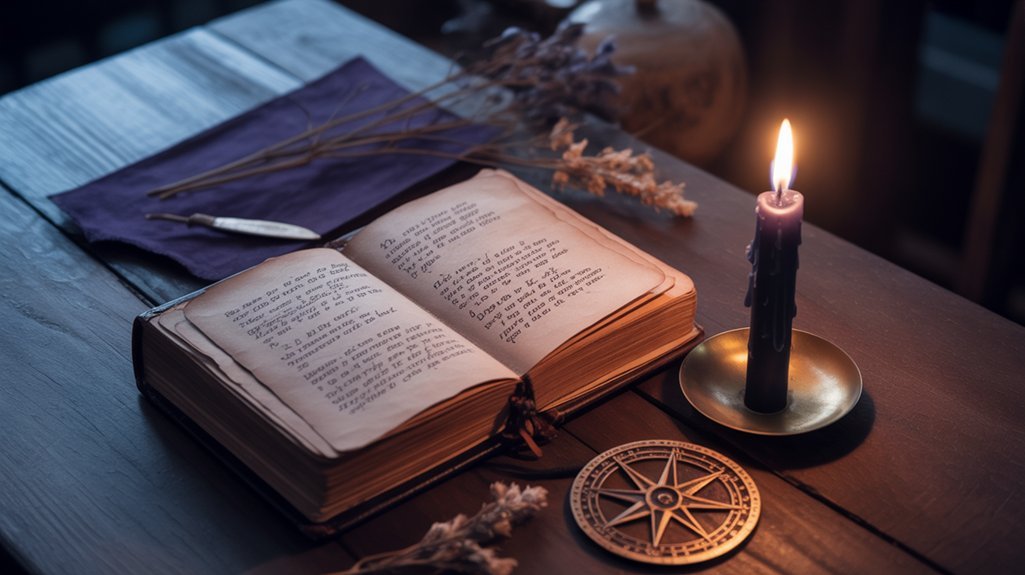
When I first dipped my toes into the world of witchcraft, I was often overwhelmed by the choices and traditions swirling around me. Ever felt that? I remember thinking, “Where do I even start?” What I wish someone had told me then is that the heart of these practices lies in ethics—something that’s often overlooked but profoundly important.
Whether you’re exploring Wicca or branching out into other witchcraft traditions, you’ll find that ethics are a guiding light. They’re not just rules; they’re tools that help you live intentionally. Think of the Wiccan Rede and the Rule of Threefold Law as gentle nudges towards thoughtful action and personal responsibility. They can steer you in a direction that honors not just your journey, but the paths of those around you.
Here’s a practical takeaway: tonight, reflect on your intentions. Ask yourself: What do I want my practice to look like? Write down your thoughts, and let them flow. That’s enough for now. Trust the process.
In my practice, I’ve learned that consent, self-reflection, and honest living are the foundation of responsible magic. These principles help shape not only your spellwork but your entire approach to witchcraft. It’s about turning ritual into something genuine—a spiritual alignment where your creative power flows responsibly. Engaging with witchcraft’s empowering nature can also amplify your confidence and inner strength.
Remember, ethics aren’t about stifling your freedom; they’re about expanding it. When you respect the autonomy of others and your own, magic becomes a shared, enriching experience. That’s the kind of energy I want in my practice and what I hope you’ll cultivate in yours.
Are you ready to dive deeper into your own ethical framework? I encourage you to explore the traditions that resonate with you. Just be mindful—some practices come from closed or semi-closed traditions. Always seek guidance from those within those communities.
Let’s shift gears for a moment. Think about the last time you felt a connection to your magic—what were you doing? For me, it was a simple candle ritual. I learned the hard way about safety, though. Always use fire-safe containers and never leave candles unattended. Safety first, right?
Now, if you’re looking to start an ethical practice tonight, consider this: choose an herb that speaks to you. After years of working with various herbs, I can tell you that their energy is palpable. Just remember to consult with a healthcare provider if you’re considering ingesting any. And please be aware of potential drug interactions or pregnancy risks.
What I wish I’d known as a beginner is to source materials ethically. Look for sustainably harvested herbs and ethically mined crystals. This not only honors the earth but enriches your practice.
So, here’s your next step: pick one herb, research its traditional associations, and create a small offering or potion. Let your intuition guide you, and don’t stress about getting it perfect. It’s all part of the journey.
Embrace your unique path. You’re not alone in this—many of us have walked it before you. And remember, this won’t work for everyone, and that’s perfectly okay. Be patient with yourself. Your practice will evolve in ways you can’t yet imagine.
The Problem
As we explore the devastating impacts of witchcraft accusations, it becomes clear that these beliefs have far-reaching consequences, undermining the very fabric of community resilience.
So, what happens when these harmful perceptions overshadow the genuine issues at hand, like poverty and disease?
Additionally, misconceptions about witchcraft often lead to fear-driven actions that exacerbate social tensions rather than addressing underlying problems.
The next challenge is understanding how to confront and dismantle these destructive narratives to foster a healthier, more supportive environment for all.
Why This Matters
Ever felt that rush when you first start exploring witchcraft? I remember it well—the excitement, the possibilities, but also the confusion. As you dive into this world, it can feel overwhelming. The ethical frameworks that once felt like a cozy blanket in small communities are now scattered like leaves in the wind. You might notice that one-size-fits-all moral codes just don’t fit your unique path.
Here’s a practical takeaway: Before you cast your next spell, take a moment to pause. Ask yourself: What’s my intention? Am I respecting the traditions I draw from? This isn’t just about magic—it’s about the real-life consequences your work can create. Ignoring ethics can lead to harm: appropriating sacred practices or unintentionally manipulating others. Trust me, I learned this the hard way.
Your spellwork has power, and with that, you have a responsibility. Establishing your ethical foundation helps you avoid spiritual chaos. It turns you from an autopilot practitioner into someone who wields their magic with intention. That’s a game changer.
So, what can you do tonight? Start with a simple grounding exercise. Sit quietly, breathe deeply, and reflect on your connection to your practice. What traditions resonate with you? How can you honor them?
The Importance of Ethics in Spellwork
In my practice, I’ve seen spells cast impulsively, often with unintended ripple effects. It’s easy to get caught up in the moment, but remember: every action has consequences. If you’re not mindful, you might find yourself tangled in karmic webs you never intended to weave.
Think about it: Are you using herbs ethically? Before you harvest anything, consider where it comes from. Sustainable practices matter. And if you’re using crystals, check that they’re ethically sourced. We owe it to ourselves and our communities to treat these resources with respect.
A good rule of thumb? Always consult a healthcare provider if you’re considering using herbs for ingestion, especially if you’re pregnant or taking medications. Safety first, always.
Engaging with Tradition
What I wish someone had told me back then is that it’s okay to ask questions. You don’t have to know everything right away. Each tradition has its own wisdom, whether it’s Norse rune work or Wiccan sabbats. Explore them with respect, and if a practice feels closed or semi-closed, seek guidance from someone within that tradition. This builds a respectful bridge between cultures.
Remember, not every method will resonate with you, and that’s perfectly okay. Be patient with yourself. Results can vary, and some practitioners may disagree on certain points. That’s valid. Everyone’s journey is unique.
Time to Take Action
Ready to put this into practice? Try this tonight: Set aside a small space for your magical work. Gather a candle (always use a fire-safe container and never leave it unattended), a few herbs that speak to you, and your journal.
Create a simple intention statement: “I honor the traditions I draw from and commit to using my magic responsibly.” Light the candle, say your statement aloud, and write down how you plan to incorporate ethical practices into your work.
This is just the beginning. Start there. Trust the process, and remember: you’re not alone on this journey. Each step you take is a step toward becoming a more intentional practitioner. Keep exploring, keep questioning, and most importantly, keep learning. You’ll get there.
Who It Affects
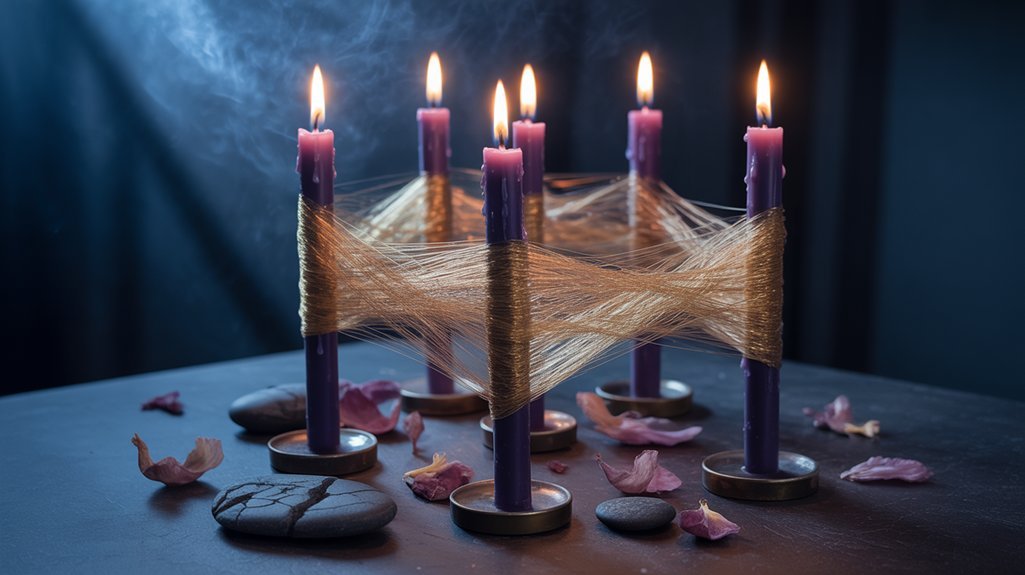
I remember my early days of practicing spellwork. I was eager, maybe a little too eager at times. I didn’t always think about how my actions affected others. Have you ever felt that rush of energy when casting a spell? It’s exhilarating, but it can also lead us down a tricky path if we’re not mindful.
When we direct harmful magic toward others, it disrupts their energetic balance. Trust me, it’s not just the person you’re targeting who feels the consequences. Pain, distress, and misalignment ripple outward, affecting everyone connected to those energies.
And here’s the kicker: you absorb that backlash threefold. I learned this the hard way; it’s a lesson that sticks with you.
Think about it: every spell we cast has a way of touching the larger community. When we act irresponsibly, we fracture our connection to nature and the energetic systems that support us all. You mightn’t realize it, but the trust we build in our practices is crucial. Without it, our traditions can weaken.
Ever noticed how society reacts to unethical workings? Historical fears around witches have shaped narratives about women’s power. Our choices shape whether those narratives strengthen or begin to dissolve. You have a role in shifting how practitioners are perceived. That’s powerful.
Now, here’s a practical takeaway: start by grounding your intentions. Before you cast any spell, ask yourself, “Is this for the highest good?” If you’re unsure, take a step back. Trust the process.
Reflect and Connect
What I wish I’d known as a beginner is that my spells didn’t just affect me; they danced through the world, touching everything around them. Have you ever felt the weight of that responsibility? It can be daunting but also liberating.
Take a moment to connect with your surroundings. Nature can guide you in understanding this balance. When you’re ready, try this grounding exercise tonight:
- Find a quiet space.
- Close your eyes and take a few deep breaths.
- Visualize your energy flowing down into the earth, connecting you to the natural world.
- With each breath, feel the stability of the ground beneath you.
This helps remind us of our place within the greater web of existence. It’s a gentle way to foster responsibility in our practice.
Moving Forward
As you explore your path, remember that you’re part of a larger community. Ethical practices aren’t just about avoiding harm; they’re about nurturing connections.
If you’re interested in spellwork, consider the materials you use. Are your herbs ethically sourced? Are your crystals mined responsibly? This matters. It’s about honoring the earth and its resources.
The Explanation
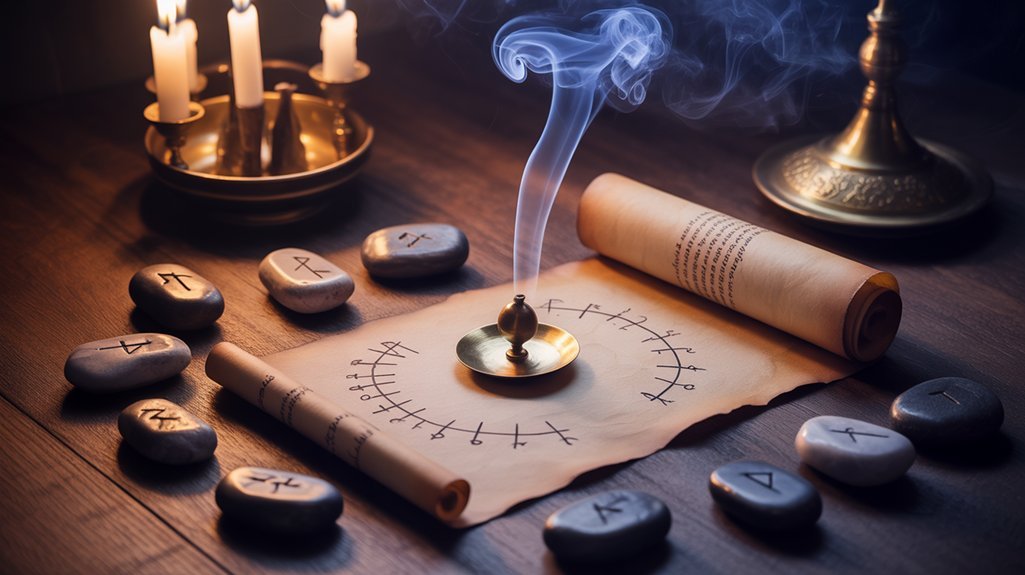
Understanding the roots of ethical confusion in witchcraft sheds light on the intricate interplay between personal beliefs and community values. This complexity invites us to explore how these differing perspectives can shape our individual ethical frameworks. Historically, the persecution of accused witches reveals how societal fears can distort the concept of justice and influence moral standards.
Root Causes
When I first started exploring the world of witchcraft, I was overwhelmed by the sheer amount of information. Ever feel that way? It can be a lot to take in. One thing I wish someone had told me is that there’s rarely a single reason behind any practice. Instead, you’ll find layers of history, culture, and personal interpretation.
Take a look at witchcraft accusations from medieval and early modern Europe. There’s so much going on. The Church played a huge role in shaping how people viewed magic, often linking witchcraft to heresy—think Devil worship and bizarre rituals. This created a brand-new stereotype of witches that many still associate with today.
At the same time, there were real psychoactive practices at play. Many witches used hallucinogenic herbs, which can have genuine neurological effects. I remember trying a few myself—learning the hard way about dosage and the importance of being cautious. This kind of knowledge can validate supernatural claims, but it’s essential to approach it thoughtfully.
What’s fascinating is how religious rebellion opened doors to these practices. When people started to question divine authority, they often turned to the occult for answers. This doesn’t mean all practitioners are rebellious, but it shows how diverse motivations can be.
Cultural folklore also plays a significant role. Stories of stomach pythons, nocturnal gatherings, and demonic familiars provide rich frameworks for understanding these experiences. These elements all weave together—propaganda, biochemistry, theology, and folklore—to create what we think of as witchcraft today.
So, what do you do with all this? Here’s a simple practice you can try tonight. Grab a quiet space and reflect on a piece of folklore that resonates with you. Maybe it’s a story you learned from your family or a myth you read. Write it down and think about how it connects to your own experiences.
Start there. Trust that your unique perspective is just as valid as any historical context. Remember, this won’t work for everyone, and that’s perfectly okay.
As you explore, keep safety in mind—especially with herbs and other physical practices. If you’re curious about using herbs, always consult with a healthcare provider, especially regarding any potential interactions.
What I wish I’d known back then is that your journey is yours. Embrace that personal connection while respecting the traditions you’re drawing from. And if you’re ever unsure, don’t hesitate to seek guidance from practitioners rooted in those traditions.
Let’s keep this dialogue open. What stories resonate with you? What do you wish you’d known when you started?
Contributing Factors
Understanding why witchcraft accusations surged back in history can feel overwhelming. But if we break it down, you’ll see how interconnected factors created a perfect storm for persecution. Ever felt that pressure from all sides?
Here’s what I’ve learned over the years:
- Religious rigidity kept communities stuck in beliefs that illness or misfortune had to be caused by something supernatural. It’s like having blinders on; you can’t see any other explanation.
- Economic instability from crop failures and conflicts turned neighborly disputes into serious accusations. Imagine a community already on edge, looking for someone to blame.
- Gender vulnerability put women—especially those in healing roles or widows—at risk. They often became easy targets for society’s fears. That’s a reality I wish someone had prepared me for.
- Procedural weaponization meant that torture was used to extract confessions, which then fed into a cycle of accusations. It’s a harsh reminder of how power can be abused.
- Psychological susceptibility played a role too. Things like children’s hysteria or undiagnosed conditions were often framed as demonic possession. Can you imagine the fear that must have caused?
These factors didn’t just sit separately; they fed off each other, creating cycles of fear and blame. It’s a heavy thing to unpack, but it’s essential to understand the weight of institutional power meeting community desperation.
Ready to explore this further? Think about how these elements might show up in your world today. They may not take the same form, but societal pressures still exist.
What I wish I’d known when starting my journey is that it’s okay to question the narratives we’re handed. Don’t be afraid to dig deeper and trust your intuition. It’s a skill that grows with time.
Practical Takeaway:
If you’re interested in exploring these themes further in your own practice, consider journaling about your thoughts. Try this tonight:
- Set a quiet space for reflection.
- Write down any fears or pressures you feel from your environment.
- Reflect on how these might connect to historical narratives around blame or scapegoating.
- End with a grounding practice, like a few deep breaths or lighting a candle in a fire-safe container.
This simple exercise can help you connect your personal experiences with the larger themes we’ve discussed. Trust the process; it may lead you to insights you didn’t expect.
What the Research Says
Researchers largely agree that beliefs in witchcraft arise in contexts marked by weak institutions, social anxiety, and a lack of perceived control.
However, a key debate remains: do these beliefs act primarily as tools of social control, or do they reflect genuine psychological distress within unstable communities?
This distinction is crucial, as it influences the strategies experts propose for mitigating witchcraft-related harm.
With this understanding, we can explore the implications of these beliefs on community dynamics and the potential pathways for intervention.
Key Findings
Key Findings
Ever felt like beliefs around witchcraft are more than just stories? I remember when I first started exploring these concepts; it felt overwhelming. But what I learned is that these beliefs don’t exist in isolation. They’re woven into the fabric of social, economic, and psychological realities that shape how communities function.
You might notice that witchcraft beliefs are more prevalent in areas where governance isn’t strong. It’s interesting how, paradoxically, these beliefs can act as informal social controls. Have you ever thought about how fear can influence behavior in a community? When institutions falter, those beliefs often get stronger.
I’ve seen it myself: people can feel less capable, more fatalistic, and less inclined to take risks, especially when they’re facing hardships. Accusations can become a tool for communities, often directed at those who seem different or vulnerable. It’s heartbreaking, but I’ve witnessed how easily fear can turn into blame.
What I wish I’d known back then is that these cycles can be broken. Stronger institutions and safety nets can help diminish these beliefs, paving the way for healthier community dynamics.
Practical Takeaway: Try This Tonight
Want to start shifting these dynamics in your own life? Begin with a grounding practice. Light a candle in a safe container—something fireproof—and take a moment to breathe deeply. As you do, set an intention to understand the beliefs around you, rather than judge them.
This simple act can help you create a space for reflection. Remember, this won’t work for everyone, and that’s okay. Be patient with yourself. After years of working with intention-setting, I’ve learned that it’s about the journey, not the destination.
Feeling ready to explore this further? Let’s dive into some practical steps. First, consider journaling about your own beliefs and how they’ve been shaped by your community. What influences have you noticed? Are there patterns that stand out?
This can be a powerful way to process and start breaking free from limiting beliefs.
Engagement Break
Have you ever felt judged by your beliefs? I remember my early days, when I worried about what others would think. It’s normal to feel that way, but know that your journey is unique. Embrace it!
Next Steps
As you continue this exploration, think about how communities can support one another. Stronger institutions aren’t just about governance; they’re about empathy and connection. Seek out local groups or practitioners who resonate with your journey.
Don’t forget about sourcing! When working with herbs or crystals, look for ethical suppliers. Sustainability matters, and it can deeply enrich your practice.
In my experience, it’s the small, thoughtful actions that create lasting change. So, start there. Reflect, connect, and remember: you’re not alone on this path.
Where Experts Agree
When Beliefs Shape Our Communities
Ever felt that strange tension in the air when someone whispers about witchcraft? I remember my first encounter with such beliefs—it was a mix of curiosity and discomfort. As I settled into my practice, I learned that witchcraft beliefs, across various cultures and times, serve some really specific social functions. They often pop up in communities where there isn’t a strong governing body. That’s where these beliefs help enforce cultural norms.
You might notice that they often tie into biases we hold toward our own groups. Think about it: how do we maintain social order when formal structures are absent? It’s fascinating, right?
In my practice, I’ve found that witchcraft beliefs can reflect deeper issues, like a community’s struggles with self-efficacy. When personal agency feels out of reach, people often turn to these beliefs, which can lead to a sense of fatalism. This cycle can be tough. You may see it more in places where institutional support is weak—like in some areas of the global South today or in historical Europe.
Take a Moment to Reflect
What’s your take on how beliefs shape our social dynamics?
Accusations often follow predictable patterns, especially around gender and sexuality. I wish someone had told me: these beliefs aren’t just stories; they’re psychological tools, adapting to local contexts while serving consistent purposes.
A Practical Exercise
If you’re curious about this, try this simple grounding exercise tonight. Light a candle in a safe container (please, never leave it unattended). As you watch the flame, think about the beliefs that shape your own community. What patterns do you see? How do they reflect your experiences?
This exercise can help you connect with those themes on a personal level. Remember, it’s okay if you don’t have all the answers right away—trust the process.
Ground Yourself in Tradition
After years of working with herbs, I’ve discovered that sourcing is crucial. Always consider the ethics behind your materials. Look for ethically mined crystals or sustainably harvested herbs. It respects the traditions and the earth.
Explore different practices, whether it’s Norse rune work or eclectic kitchen witchery. Each path has its own wisdom. And while some might disagree on certain points, that’s valid—everyone’s journey is unique.
Next Steps
Want to dig deeper? Research the historical context of the beliefs that interest you. Maybe pick one to explore more thoroughly. What I wish I’d known as a beginner is that understanding the roots of these practices can enrich your own experience immensely.
Where They Disagree
Now that we’ve talked about how beliefs shape our communities, let’s dive into the discussions that can feel a bit tangled. You might find that there’s a lot of disagreement among practitioners and scholars. For instance, some folks think the Rule of Three is a cosmic law, while others see it as a psychological tool.
Have you ever thought about how your intentions shape your actions? Some argue that intention is what truly matters, while others believe the outcome is what counts.
In my practice, I’ve seen how these debates can lead to deeper insights. Practitioners often wonder if the Rule of Three applies universally or if it’s more about cultural context.
And here’s a thought: can we really codify the ethics of witchcraft? Given its decentralized nature, that’s a tricky question. This isn’t just academic squabbling; these discussions are where real innovation happens.
What I wish I’d known as a beginner is that these disagreements aren’t weaknesses. They’re productive tensions that can push our understanding of witchcraft into new, nuanced territories. So, let’s embrace the messiness!
Ready to try something practical tonight? Think about your own beliefs around intention and outcome. Jot down a few thoughts in a journal. This exercise can help clarify where you stand, and it’s a great way to engage with these discussions on your own terms.
As you explore these ideas, remember that there’s no one right way to practice. Trust the process. In your journey, you might find that some practices resonate deeply while others don’t. That’s perfectly okay. It’s all part of the learning experience.
Have you felt the tension between traditional teachings and your personal beliefs? It’s a common struggle, and you’re not alone in it. Just know that every practitioner has their own path. Some may lean heavily on established guidelines, while others forge their own way. Both approaches deserve respect.
As you continue your exploration, be mindful of the traditions you’re engaging with. Some practices come from closed or semi-closed traditions, and it’s best to seek guidance from those who are part of those communities. This respect is key to a meaningful practice.
Looking for a grounded practice tonight? Consider lighting a candle in a safe container. Take a moment to reflect on the ethical questions that resonate with you. Just sit with it. This simple act can help center your thoughts and intentions.
And remember, never leave a flame unattended. Safety first!
After years of working with different herbs, I’ve learned the value of sourcing them ethically. Always check where they come from. Are they sustainably harvested? This not only helps the planet but also connects you more deeply to the earth and its resources.
As you navigate these complex conversations, be patient with yourself. This won’t work for everyone, and that’s valid. You’ll find your way, and that’s what truly matters. Trust yourself, and keep exploring.
Practical Implications
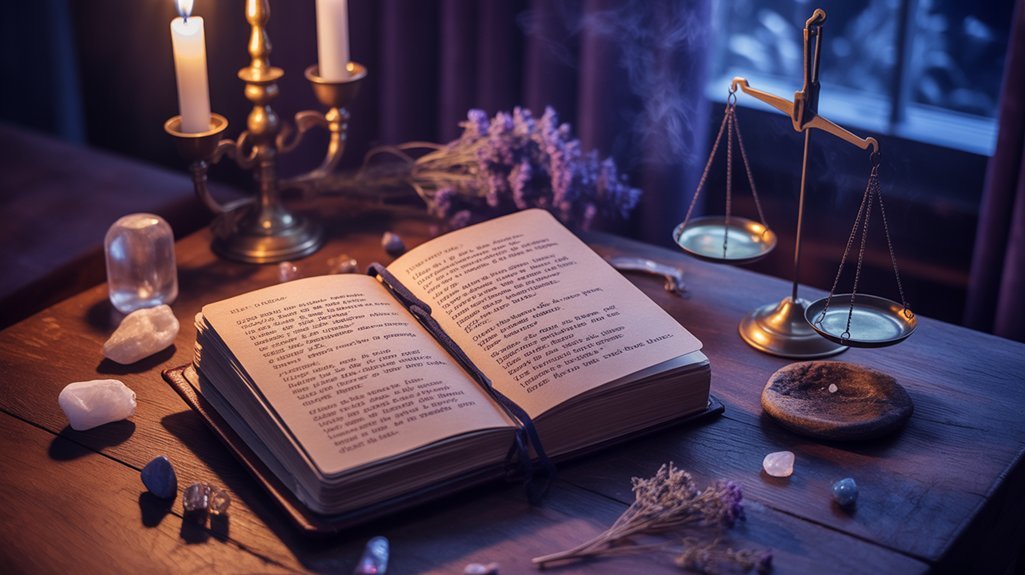
Ethical witchcraft invites you to make thoughtful choices in your daily practice—selecting spells that resonate with your values while consciously rejecting those that don’t.
Recommended for You
🛒 Witchcraft Books For Beginners
As an Amazon Associate we earn from qualifying purchases.
Embracing this approach allows you to deepen your craft through protective work rooted in positive intentions and a commitment to serving others.
But what happens when you face situations that challenge these principles?
As we explore the complexities of ethical dilemmas in witchcraft, you’ll discover how to navigate the intricacies of intention and action effectively.
What You Can Do
Translating witchcraft ethics into your daily life can feel overwhelming at first, can’t it? I remember those early days of stumbling through my practice, unsure of how to make my intentions align with my values. Here’s the good news: you can start with small, deliberate choices that honor the Wiccan Rede and the threefold law. It’s about making your practice personal and grounded.
Try this tonight: Before you begin any spellwork, take a moment to ground your intentions. Ask yourself what you truly want and consider the potential consequences. This simple act can shift your energy and clarity.
Here are some practical steps to guide you:
- Document your journey. Keep a grimoire, jotting down what you try and how it turns out. This isn’t just for show—tracking your results helps you refine your techniques and deepen your understanding. I learned this the hard way; the more I wrote, the clearer my path became.
- Establish accountability partnerships. Find a trusted practitioner or two who can challenge your ethical reasoning and share their perspectives. This isn’t about judgment—it’s about growth. Have you ever felt stuck in your own ideas? A fresh viewpoint can spark new insight.
- Audit your energy expenditure. Regularly check in with yourself. Are your spells aligning with positive impact, or are they rooted in reaction? It’s easy to fall into patterns driven by emotion. Trust me, taking a step back can help you reset.
- Integrate reflection rituals. Set aside time each week to assess whether your actions serve the greater good. Even a few quiet moments with your thoughts can provide clarity.
As you practice, remember: you’re not just casting spells; you’re building a responsible magical framework that evolves with your understanding of cause and effect.
Here’s a quick grounding exercise to try tonight: Sit quietly, take a few deep breaths, and visualize your intentions. Picture them taking root in your heart. That’s enough for now. Over time, you’ll see how your actions ripple out in the world.
What I wish I’d known as a beginner is that it’s okay to take your time. Some practices resonate immediately, while others unfold slowly. Be patient—results vary, and that’s completely valid.
Before you go, take a moment to consider the sources of your materials. If you’re using herbs or crystals, think about where they come from. Ethical sourcing matters.
What to Avoid
Ever felt that tight knot in your stomach when you’re faced with a tough decision? I remember those moments when I was just starting out. It’s easy to get tangled in self-centered morality, making choices based on fear of what might happen to us rather than what feels right. Trust me, I’ve been there. This kind of thinking can leave you feeling lost, as it overlooks the impact your actions have on others.
Start by reflecting on your intentions. Ask yourself, “Am I acting out of fear or genuine care?” This simple question can shift your perspective. Remember, your choices either strengthen your connection to the world around you or create distance.
Now, let’s talk about the Threefold Law. It’s not about cosmic punishment or some universal karma. It’s about understanding that our harmful intentions can cut us off from our environment and spiritual grounding. So, when you make a decision, think about how it resonates with the greater whole.
What I wish I’d known as a beginner is that ethical practice isn’t about perfection. It’s about growing and learning. You might find that some choices feel heavy while others lift you up. Pay attention to that.
As you navigate your path, remember to seek guidance from those who’ve walked it before you, especially in closed traditions. Respect and honor the roots of these practices.
And if you’re incorporating herbs into your rituals, always consult a healthcare provider first. Some herbs can interact with medications or carry risks during pregnancy, so be cautious.
Here’s a little grounding exercise to try tonight: Sit quietly for a few moments. Close your eyes and take a deep breath. Visualize your connections — to the earth, to others, and to your own spirit. With each breath, imagine strengthening those ties.
That’s enough for now. Trust the process. As you move forward, be kind to yourself and recognize that everyone’s journey is unique.
Comparison of Approaches

Understanding the diverse approaches to witchcraft ethics can be a game-changer for your practice. I remember stepping into this world and feeling overwhelmed by the choices. It can be tricky, but it’s all about finding your own path.
Here’s a simple practice: Take a moment tonight to reflect on your values. Write down what feels right for you. This will be your compass as you explore different traditions.
You’ll notice that Western Wiccan traditions, like Alexandrian and Gardnerian Wicca, lean on structured codes such as the Wiccan Rede and the Threefold Law. They offer a framework that can feel grounding, especially when you’re starting out. But traditional witchcraft? That’s where things get a bit more fluid. It emphasizes individual ethics shaped by personal experiences. Ever felt that freedom?
Azande witchcraft, on the other hand, seamlessly weaves magic into community life, tackling problems together. There’s no moral stigma attached, making it feel practical and inclusive.
| Tradition | Ethical Framework | Structure |
|---|---|---|
| Alexandrian Wicca | Wiccan Rede + Threefold Law | Hierarchical, ceremonial |
| Gardnerian Wicca | Wiccan Rede + initiation-based | Secretive, mentorship-driven |
| Traditional Witchcraft | Individualized, contextual | Flexible, personal |
| Azande Witchcraft | Oracle-enforced, communal | Integrated, practical |
What I wish someone had told me was that there’s no single right way to practice. Modern practitioners thrive by respecting these paths, defining what success means to them, and avoiding the trap of comparison. This pluralistic view can really accelerate your ethical growth.
As you explore, keep in mind the importance of respecting cultural origins and traditions. Some practices are closed or semi-closed, so it’s wise to seek guidance from practitioners within those communities.
And while you’re diving into these traditions, safety is key. If you’re working with candles, make sure you use fire-safe containers and never leave them unattended. For herbs, always consult a healthcare provider before ingestion. It’s essential to be aware of potential drug interactions, especially if you’re pregnant.
Let’s take a moment to think about your own practice. What resonates with you? It’s okay to take your time figuring it out. Trust the process.
When you’re ready to explore, consider starting with a simple ritual. Gather some herbs that speak to you—just make sure they’re ethically sourced. Whether it’s from your garden or a trusted shop, feel the energy they bring. Sit quietly, hold them in your hands, and reflect on their traditional associations. What do they mean to you?
Remember, this journey is yours. The first time I tried a ritual, I was nervous—but it turned out to be a powerful experience. Be patient; results vary, and that’s perfectly valid.
As you embark on this exploration, keep that personal reflection handy. It’ll guide you as you grow. What’s one thing you want to learn more about tonight?
Key Takeaways
Navigating the world of witchcraft ethics can feel overwhelming at first. I remember those early days, filled with questions and uncertainty. It’s easy to feel lost, but trust me: understanding the core principles of responsible practice will guide you on your path.
You don’t have to fit into a one-size-fits-all mold. Modern witchcraft ethics are flexible and personal, and here are some key ideas to keep in mind:
- Intent matters most. Your motivations shape the consequences of your actions. Ever felt that? The energy you put into your work can create ripples far beyond what you might expect.
- Consent and free will are non-negotiable. No one should ever feel coerced into anything, magical or otherwise.
- Personal accountability is crucial. Own your choices. I learned this the hard way—deflecting responsibility only leads to more chaos.
- Harm reduction is your best friend. Sometimes, you won’t be able to avoid harming someone or something completely. Focus on minimizing harm as much as you can.
- Custom codes work. You’re not obligated to follow traditions that don’t resonate with you. If the Rule of Three feels off, trust your instincts.
Take a moment to reflect on these principles. What resonates with you? Start there. You can strengthen your practice by questioning where these ideas come from and how they align with your own beliefs.
Now, let’s get a bit practical. If you’re itching to try something tonight, consider creating a simple intention-setting ritual. Here’s a quick outline:
- Find a quiet space where you won’t be disturbed.
- Light a candle in a fire-safe container. (Safety tip: never leave it unattended!)
- Take a few deep breaths. Center yourself.
- Write down your intention on a piece of paper. Be clear and specific.
- Hold the paper in your hands, visualizing your intention manifesting.
- When you’re ready, either burn the paper safely or place it somewhere you’ll see it often.
This simple ritual can help you connect with your intentions and practice accountability.
As you explore these principles, remember: this won’t work for everyone. Be patient with yourself and your journey. Some practitioners might disagree on various aspects, and that’s okay. What I wish someone had told me as a beginner is that it’s all part of your personal journey—embrace the learning process.
Frequently Asked Questions
How Do I Know if the Rule of Three Applies to My Specific Magical Working?
Q: How do I know if the Rule of Three applies to my magical work?
Yes, the Rule of Three likely applies if you practice Wicca or a tradition emphasizing energetic consequences.
Start by examining your intent and the teachings of your chosen path.
Remember, you’re creating your own magical contract, so trust your judgment.
If you’re exploring closed traditions, connect with experienced practitioners for guidance.
What Happens if I Accidentally Harm Someone Through My Spell Work?
Q: What should I do if I accidentally harm someone with my spellwork?
Yes, if you’ve harmed someone, it’s important to act quickly. Start by performing a banishing ritual and grounding yourself to contain any potential damage.
Reach out to the affected person, offer your support, and consider cleansing techniques. Remember, transparency can help reduce karmic backlash and promote healing. Always be respectful of cultural practices that may inform your approach.
Q: Will I face consequences for my spellwork?
Yes, you might experience the Rule of Three, where your energy returns threefold. This can manifest as physical discomfort or emotional distress.
To mitigate this, engage in self-care and seek out divination tools for guidance. Understanding the cultural context of your practices can also help you navigate these challenges safely.
Q: How can I prevent accidental harm in my spellwork?
You can prevent harm by grounding yourself before and after spellwork and being clear about your intentions.
Always research the herbs and tools you’re using, as some can have unintended effects. Consulting experienced practitioners and respecting cultural boundaries can also enhance your safety and effectiveness in your practice.
Q: Is it important to communicate with the person I may have harmed?
Yes, open communication is crucial. Reaching out ethically can help both you and the affected person process the situation.
It shows accountability and can aid in healing. This practice aligns with many spiritual traditions that emphasize community and responsibility, so approach it with care and respect.
Q: What if I feel overwhelmed by guilt after harming someone?
It’s natural to feel guilt, but it’s important to channel those feelings into positive actions. Engage in self-reflection, perform cleansing rituals, and seek guidance from mentors or divination tools.
Can I Use Protective Magic Without Violating the Rule of Three?
Can I use protective magic without violating the Rule of Three?
Yes, you can shield yourself ethically. Start with visualization techniques, create protective amulets, or perform cleansing rituals to set boundaries.
Remember, you’re not sending harm outward; you’re simply protecting your energy.
Defensive magic like binding or banishing is ethical when you’ve tried other options and face real threats.
Respect the traditions behind these practices and consult knowledgeable practitioners if you’re exploring closed traditions.
Do All Witchcraft Traditions Believe in the Rule of Three Equally?
Q: Do all witchcraft traditions believe in the Rule of Three?
No—this is a common misconception because the Rule of Three isn’t universal.
Many traditions, including some non-Wiccan and Left Hand Path practices, reject it altogether.
If you’re curious, consider learning directly from practitioners of those traditions to understand their perspectives.
How Do I Balance Personal Desires With Ethical Magical Practice?
Q: How can I balance my personal desires with ethical magical practice?
Yes, you can balance personal desires by first identifying your core values and setting clear boundaries.
Start by reflecting on your intentions and whether they could harm someone else or infringe on their autonomy.
Remember, it’s important to create a personal ethical code that grows with you.
Always respect the traditions you learn from and consult experienced practitioners within those paths to deepen your understanding.
Conclusion
Reflect on the importance of your intentions and their impact on the world around you. Tonight, light a single white candle and hold the intention of harmony for three minutes. Afterward, journal one sentence about what you felt during that time. This simple practice can deepen your connection to your craft and help you recognize the ripple effects of your actions. Trust that each step you take cultivates a more compassionate space for yourself and others. Start there. You’ve got this!
Amazon and the Amazon logo are trademarks of Amazon.com, Inc, or its affiliates.
Continue Your Magical Journey
Free Witchcraft Starter Kit
Get 6 free printable PDFs: grimoire pages, moon calendar, spells, crystals, herbs, and tarot journal.
We respect your privacy. Unsubscribe anytime.
Enhance Your Practice
As an Amazon Associate, I earn from qualifying purchases.