

As an Amazon Associate I earn from qualifying purchases.
Witchcraft refers to the practice of magical skills, spells, and abilities, often misunderstood and shrouded in myths and misconceptions. Historically, the perception of witchcraft has been heavily influenced by cultural and religious beliefs which have evolved over centuries. In the early modern period, witch hunts were rampant across Europe and America, leading to the persecution of countless individuals, primarily women. These persecutions were driven by paranoia, superstition, and societal turmoil rather than a genuine understanding of the practice itself. Today, witchcraft has seen a resurgence in popularity with modern movements like Wicca and other neo-pagan traditions embraced for their focus on nature, spirituality, and personal empowerment.
In modern times, witchcraft is often perceived as a pathway towards mindfulness, self-discovery, and ecological awareness. The real story of contemporary witchcraft lies in its versatility and adaptability to personal beliefs and societal changes. This practice now includes a diverse community that celebrates inclusivity and individuality, contrasting sharply with its historically negative stigma. A fascinating statistic reveals that, as of recent surveys, there are approximately 1.5 million self-identified Wiccans and pagans in the United States alone, reflecting a growing interest in alternative spiritual practices. This shift highlights the ongoing reevaluation and reclamation of witchcraft.
An intriguing aspect of this contemporary view of witchcraft is its alignment with environmental and social change. Many practitioners advocate for sustainable living and social justice, resonating with broader global movements toward these values. This evolution reflects a significant transformation from the malicious image of witches in folklore and popular culture. By promoting rituals that encourage communal harmony and environmental stewardship, modern witchcraft offers a framework for individuals seeking meaningful connections and holistic living.
html
Witchcraft: Debunking Myths and Unveiling the Truth
Witchcraft has long been shrouded in mystery and misconception, often characterized by sensationalized stereotypes and misunderstanding. Contrary to popular belief, witchcraft isn’t solely about casting spells or engaging in malevolent activities; it is a spiritual practice rooted in ancient traditions and cultures. Embracing a diverse array of rituals, philosophies, and ethical guidelines, witchcraft practices focus on harmony with nature, personal empowerment, and healing. Its rich history comprises both revered and feared narratives, often intertwining with the cultural and religious contexts of societies worldwide. Understanding its true essence requires shedding the prejudice propagated over centuries and appreciating its role in promoting community, introspection, and connection with the natural world. Delve deeper into this fascinating subject to explore how modern practitioners interpret and integrate these age-old customs into contemporary life.
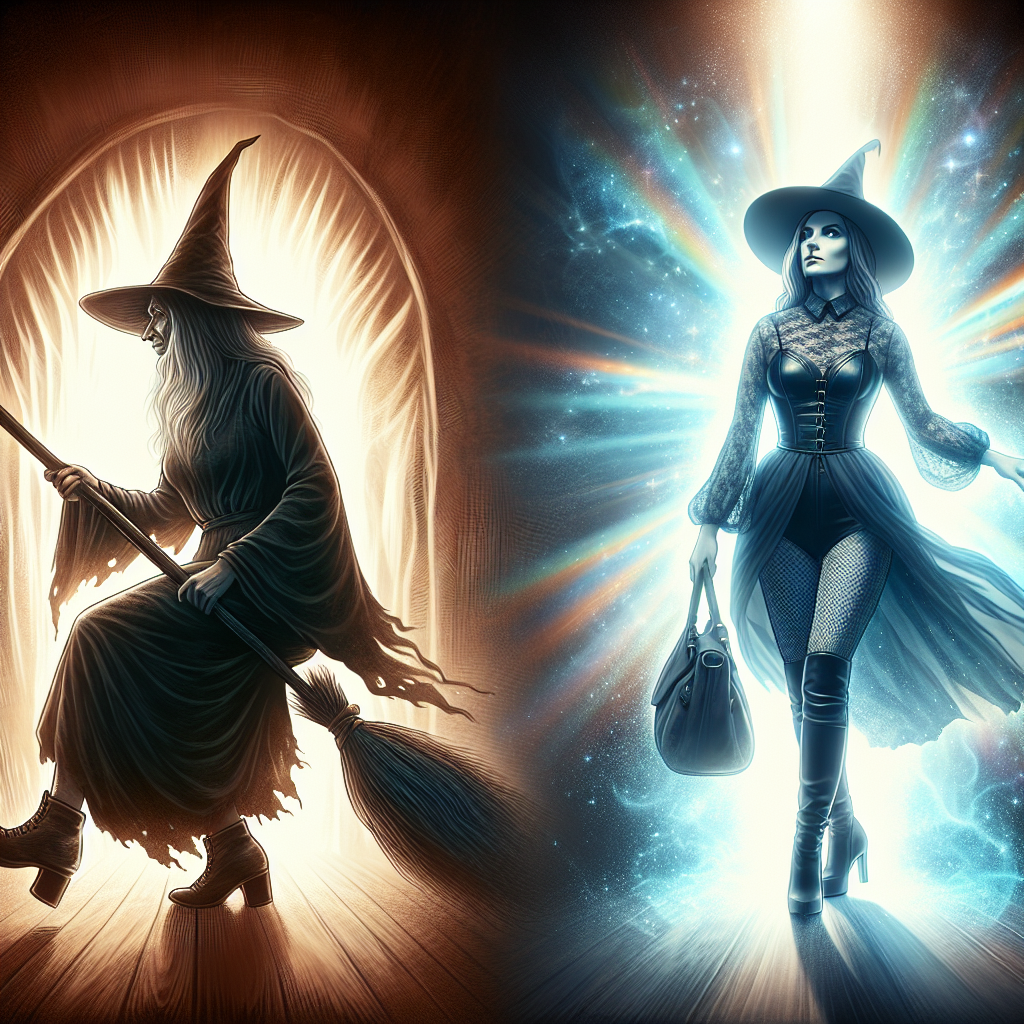
Witchcraft Isn’t What You Think: Here’s the Real Story
Witchcraft, often surrounded by layers of misconception and mystery, is a multifaceted practice steeped in history, culture, and personal philosophy. Contrary to the common stereotypes of hexes and broomsticks, witchcraft is a deeply spiritual and personalized practice that varies widely among its practitioners.
Understanding the Roots of Witchcraft
Historically, witchcraft has been both feared and revered, often misunderstood due to its clandestine nature and societal stigma. Its origins are diverse, drawing from ancient pagan traditions, nature worship, and a deep connection to the earth. Over centuries, witchcraft evolved, absorbing elements from different cultures and adapting to the cultural context of each era.
In many traditions, witchcraft emphasizes harmony with nature, the moon, stars, and elements—observations that have fueled herbalism, astronomy, and other scientific explorations throughout history.
Modern Witchcraft Practices
Today’s practitioners of witchcraft—often self-identified as witches—engage in various practices that can range from spellwork to meditation, and tarot reading to ritualistic ceremonies. Each witchcraft practice is unique, often personalized according to individual beliefs and the cultural background of the practitioner.
- Meditative Rituals
- Herbal Magic
- Tarot and Astrology
- Nature and Elemental Worship
The Role of Spell Training
Spell training is a significant aspect of witchcraft, involving the learning of energy manipulation and intent direction for achieving desired outcomes. This training is not only about the words and components of a spell but also understanding the principles behind them, such as energy flow, psychic focus, and alignment with natural cycles.
A Beginner Guide to Exploring Witchcraft
For those new to witchcraft, starting the journey can be both exciting and daunting. A beginner guide typically suggests:
- Researching different traditions to find what resonates with you.
- Reading foundational texts and joining communities to learn from experienced practitioners.
- Starting simple rituals to focus on mindfulness and intent.
Avoiding Common Magical Mistakes
Like any other skill, learning witchcraft involves understanding potential pitfalls. Common magical mistakes include misunderstanding the effects of a spell, not grounding energy adequately, and ignoring ethical considerations. It’s crucial to approach magic with respect and awareness of its impact.
Seeking Spiritual Advice and Witchcraft Tips
Gaining insights from seasoned witches can be invaluable. Spiritual advice in witchcraft often revolves around mindfulness, patience, and harmony with one’s surroundings. Practical witchcraft tips include keeping a grimoire or Book of Shadows to record spells and observations, practicing regular cleansing rituals, and honoring seasonal festivals to deepen one’s connection with nature.
Witchcraft in Numbers
Recent studies show a rising interest in witchcraft, with a significant increase in people identifying as practitioners, particularly among younger generations. According to a recent survey, the number of Americans who identify as practitioners of Wicca or pagan beliefs is nearing two million, a notable increase from previous decades.
- What is modern witchcraft?
Modern witchcraft refers to a variety of contemporary practices that embrace magical traditions, spirituality, and nature-focused rituals. It’s often informed by older practices but has evolved to fit modern interpretations and lifestyles.
- Is witchcraft related to any specific religion?
While witchcraft can be religious, it is not inherently tied to any single religion. Some practitioners identify as Wiccans, while others incorporate witchcraft into different religious or spiritual traditions, or practice it secularly.
- Are witchcraft and Wicca the same thing?
No, witchcraft is a broad practice that can include a variety of beliefs and rituals, whereas Wicca is a specific religion within the broader category of witchcraft. Wicca has its origins in mid-20th century England and follows specific beliefs and practices.
- Do witches worship the devil?
This is a common misconception. Most practitioners of witchcraft do not believe in or worship the devil. Instead, they often honor nature, deities, or spiritual beings that are significant to their individual practice.
- What do witches actually do?
Witches may engage in a variety of practices, such as casting spells, performing rituals, herbalism, divination, and meditation. These practices often focus on self-empowerment, healing, and connecting with nature.
- Is witchcraft dangerous?
Witchcraft is not inherently dangerous; however, like any practice, it requires responsibility and ethical considerations. Most practitioners emphasize harm-free approaches and ethical guidelines.
- Can anyone practice witchcraft?
Yes, witchcraft is accessible to anyone interested in learning about it. It doesn’t require any specific background or initiation, although guidance from knowledgeable practitioners can be beneficial for beginners.
- What is a coven?
A coven is a group of witches who come together to practice and support each other in their spiritual journeys. Covens may hold rituals, celebrate events, and work together on shared goals and projects.
- Is there a specific code of ethics in witchcraft?
While there’s no universal code, many witches follow ethical guidelines, such as the Wiccan Rede: “An it harm none, do what ye will.” Others develop personal ethics based on principles of responsibility, respect for nature, and the well-being of others.
- Are spells real, and do they work?
For many practitioners, spells are real in the sense that they are symbolic actions meant to focus intention and energy towards a desired outcome. The effectiveness of spells varies and is often linked to the practitioner’s belief, intent, and effort.
Conclusion
The journey through witchcraft is an invitation to explore an ancient tradition that is often misunderstood. Through the exploration of spell training, it becomes evident that intention and precision are pivotal. Practitioners are encouraged to embrace patience and practice, understanding that mastery comes from consistent dedication. The beginner’s guide provides a foundational framework, emphasizing the importance of grounding oneself in history and ethics before delving into the complex art of spellcasting. It offers tools for developing a personal practice, highlighting the significance of maintaining respect for the natural and spiritual worlds.
Furthermore, the exploration of magical mistakes is a crucial aspect of this journey. Errors are not failures but valuable lessons that refine skill and enhance understanding. Aspiring witches are urged to approach these missteps with an open mind, learning to evolve rather than becoming discouraged. Spiritual advice within this context stresses the importance of self-reflection and personal growth, encouraging individuals to cultivate a deep connection with their craft. Lastly, the witchcraft tips provided serve as a practical guide, offering insights into how to integrate magical practices into daily life, setting boundaries, and maintaining balance. Ultimately, the real story of witchcraft is one of personal empowerment, growth, and an enhanced appreciation for the mystical elements of the world.
Amazon and the Amazon logo are trademarks of Amazon.com, Inc, or its affiliates.
Continue Your Magical Journey
Free Witchcraft Starter Kit
Get 6 free printable PDFs: grimoire pages, moon calendar, spells, crystals, herbs, and tarot journal.
We respect your privacy. Unsubscribe anytime.
Enhance Your Practice
As an Amazon Associate, I earn from qualifying purchases.