


As an Amazon Associate I earn from qualifying purchases.
Attention-Grabbing Fact
Introduction
Deity Examples
Engaging Elements
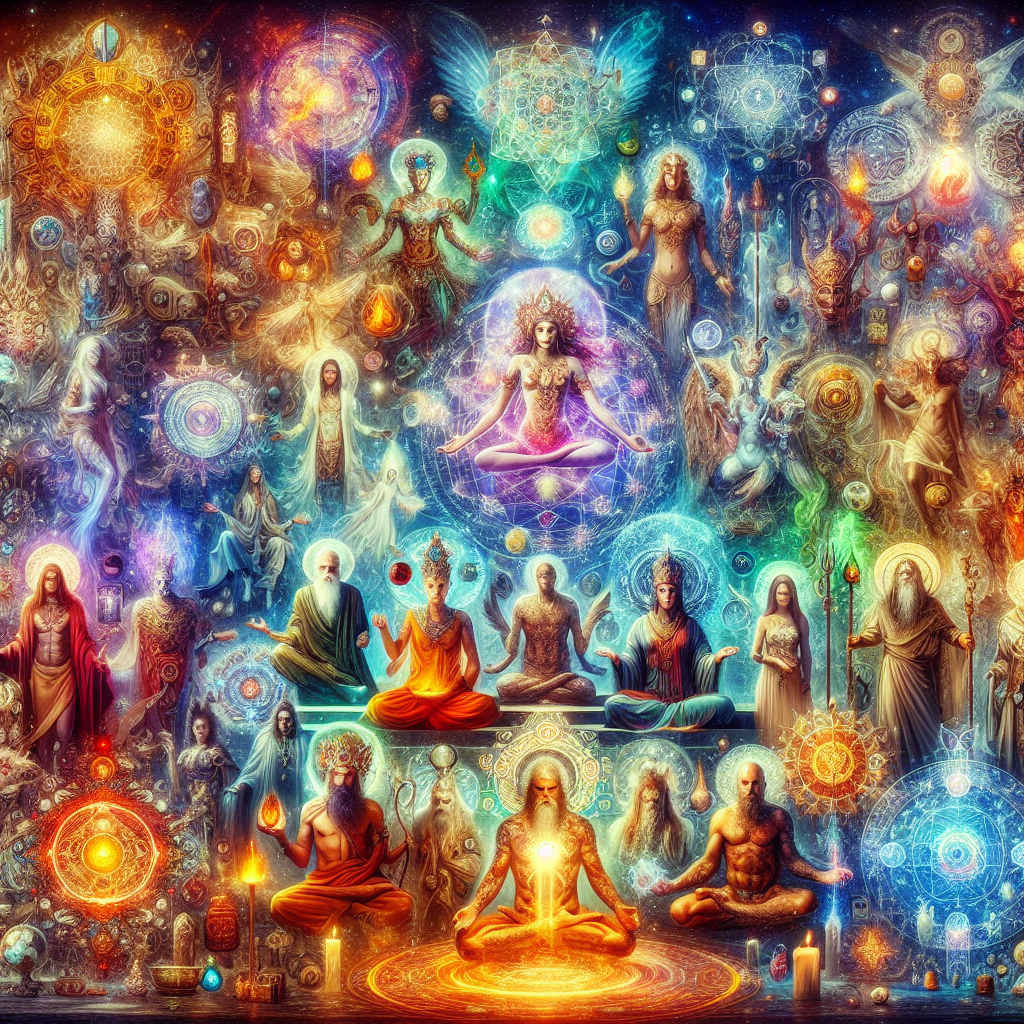
The exploration of Pagan traditions across the globe reveals a diverse array of deities encompassing various aspects of life, nature, and beyond. These spiritual pantheons highlight the rich tapestry of ancient beliefs that shaped early civilizations and continue to be honored today.
1. **Odin** – Central to Norse mythology, Odin is the all-father and ruler of the Aesir. Known for his wisdom and association with war and death, Odin’s worship was widespread in ancient Scandinavian and Germanic regions.
2. **Isis** – An essential goddess in Egyptian mythology, Isis is revered as the ideal mother and wife. Her worship extended beyond Egypt into Greco-Roman cultures, symbolizing life, magic, and protection.
3. **Apollo** – A prominent deity in both Greek and Roman pantheons, Apollo is the god of the sun, music, and prophecy. His temples, such as the one at Delphi, were centers of worship and augury.
4. **Brigid** – In Celtic traditions, Brigid is a goddess of healing, poetry, and smithcraft. Celebrated during Imbolc, her worship signifies the return of spring and renewal.
5. **Kali** – A powerful goddess in Hindu tradition, Kali is the destroyer of evil forces and represents transformation and annihilation. She is worshipped extensively across India, particularly in Bengal.
6. **Thor** – Another Norse deity, Thor is the god of thunder and protector of humanity. His hammer, Mjölnir, symbolizes his power and is often worn as an amulet for protection and strength.
7. **Amaterasu** – Central to Shinto belief, Amaterasu is the Japanese sun goddess. Her worship is integral to Shinto practices, with the Ise Grand Shrine being a major site of devotion.
8. **Cernunnos** – Known as the Horned God in Celtic mythology, Cernunnos is associated with nature, fertility, and animals. His imagery is prevalent in ancient Celtic art and modern Pagan practices.
9. **Hecate** – A Greek goddess with connections to magic, witchcraft, and the night, Hecate is often depicted at crossroads. She remains a significant figure in contemporary Neopagan traditions.
10. **Anansi** – In West African folklore, Anansi is a trickster god and storyteller. His tales are foundational in both African and Caribbean cultures, reflecting themes of wisdom and cunning.
11. **Freya** – A goddess of love, beauty, and fertility in Norse mythology, Freya is also linked to war and death. Her worship involved highly personal and communal rituals.
12. **Ganesha** – Recognizable by his elephant head, Ganesha is a widely venerated Hindu god of beginnings and remover of obstacles. His statues are prevalent in homes and temples throughout India.
13. **Zeus** – The chief deity of the Greek pantheon, Zeus is the god of the sky and thunder. His authority extends across the mythological world, often depicted wielding a lightning bolt.
14. **Oshun** – A deity revered in Yorùbá religion, Oshun is the goddess of love, fertility, and rivers. Her veneration is a core aspect of spiritual practices in Nigeria and the Afro-Caribbean diaspora.
15. **Tlaloc** – An Aztec god of rain and fertility, Tlaloc was essential for agricultural societies. His worship involved elaborate ceremonies to ensure bountiful harvests.
16. **Astarte** – Worshipped in various ancient Near Eastern cultures, Astarte is associated with fertility, sexuality, and war. She is closely related to other major goddesses like Ishtar and Aphrodite.
17. **Lugh** – A versatile god in Celtic beliefs, Lugh is associated with skill, crafts, and the sun. The festival of Lughnasadh celebrates his contributions to agriculture and craftsmanship.
18. **Morrigan** – A complex figure in Irish mythology, Morrigan is a goddess of battle, destiny, and sovereignty. Her appearances in literature involve themes of war and fate.
19. **Bastet** – An Egyptian goddess with the head of a lioness or domestic cat, Bastet represents home, fertility, and protection. Her worship was centered in Bubastis, where annual festivals celebrated her with great fervor.
20. **Perun** – In Slavic mythology, Perun is the god of thunder, lightning, and war. His significance rivals that of major deities in other Indo-European pantheons, highlighting the universality of certain divine archetypes.
21. **Gaia** – The personification of Earth in Greek mythology, Gaia is considered the mother of all life. Her worship underscores humanity’s deep connection to the natural world.
22. **Numen** – In Roman religion, Numen represents the divine power presiding over a specific place. It is a concept more than a deity, indicative of the Romans’ reverence for the spirit inhabiting every aspect of their world.
23. **Quetzalcoatl** – Known as the Feathered Serpent, Quetzalcoatl is a major god in Mesoamerican cultures. Associated with wind, learning, and the planet Venus, his worship extended throughout the Aztec and other pre-Columbian civilizations.
Pagan deities continue to be venerated by millions worldwide. In contemporary times, interest in ancient gods and goddesses has seen a resurgence, with estimates suggesting that there are over one million Pagans globally who actively participate in rituals honoring their spiritual pantheon.
Experiencing the Rich Tapestry of Hindu Deities
During my travels in India, I had the opportunity to witness firsthand the devotion to multiple deities in Hindu traditions. Visiting temples dedicated to specific gods and goddesses like Vishnu, Shiva, and Lakshmi was truly enlightening. Each temple exuded a unique aura, its atmosphere shaped by the particular characteristics and stories of the deity it honored. I vividly remember participating in the evening Aarti at a Shiva temple in Varanasi, where the chants and the rhythmic ringing of bells created an almost hypnotic state of worship.
In southern India, I spent some time in a small village during the festival of Pongal, which is devoted to the sun god Surya. Observing the villagers’ meticulous preparations for the festival, from drawing intricate kolam patterns to cooking elaborate dishes, left me in awe of the deep cultural significance ingrained in their worship. The reverence for Surya shone through in every act, symbolizing gratitude and a connection to the cosmic order.
Interacting with locals provided me with a deeper understanding of how these deities are woven into everyday life. Stories about Krishna’s mischievous childhood, for example, were narrated with such enthusiasm and love that it was easy to see how these tales offer both moral guidance and a sense of joy. Participating in these traditions offered a window into a way of life rich with mythology and spiritual significance.
Engaging with the Norse Gods in Modern-Day Scandinavia
Spending a winter in Sweden gave me an unexpected chance to engage with the revival of Norse Pagan traditions. Many modern practitioners of Ásatrú, the contemporary revival of Norse Paganism, hold ceremonies to honor gods like Odin, Thor, and Freyja. I was invited to a Yule Blót, a midwinter sacrifice and feast, where offerings were made to these ancient deities in a sacred oak grove outside Stockholm. The sense of community and shared reverence for the old gods created a solemn yet spirited atmosphere.
One of the most memorable aspects was hearing the recitations of the Eddas, ancient texts containing the myths and histories of the Norse gods. Sitting around the fire as the elders spoke, I could almost feel the presence of these mighty beings, their exploits and wisdom being brought to life through storytelling. The intense bond between the followers and their deities was palpable, bridging a millennia-old gap between past and present.
Additionally, the practical aspects of Norse Paganism fascinated me. From the use of runes for divination to the mead-making sessions, these small, everyday acts weaved a continuous thread of devotion through the fabric of daily life. Conversations with devotees illustrated a deeply personal connection with their gods, seeing them not as distant mythological figures but as active forces in their lives.
Discovering the African Orishas in Brazil
My time in Brazil brought me closer to the worship of the Orishas, deities in the Yoruba tradition that have influenced Afro-Brazilian religions like Candomblé and Umbanda. During a visit to Salvador, Bahia, I attended a Candomblé ceremony honoring Oshun, the Orisha of love and fertility. The rhythmic drumbeats, spirited dances, and vivid costumes created an immersive experience that felt deeply connected to the natural and spiritual world.
Engaging with practitioners, I learned about the roles and significance of different Orishas, each embodying unique aspects of life and nature. Yemaya, the mother of all Orishas, for instance, is revered as the goddess of the sea, and her worship involves rituals performed by the ocean’s edge. Witnessing these ceremonies, I felt a profound sense of respect for the elements and an acknowledgment of the vital forces that sustain life.
Recommended for You
🛒 Witchcraft Books For Beginners
As an Amazon Associate we earn from qualifying purchases.
The community aspect of these traditions was particularly striking. Offerings of food, flowers, and other items reflected a reciprocal relationship with the Orishas, emphasizing gratitude and harmony. Through personal anecdotes shared by devotees, it became clear that these deities play active roles in guiding, protecting, and nurturing their followers. This experience underscored the adaptability and enduring relevance of these ancient traditions in the modern world.
Exploring the Shinto Kami in Japan
In Japan, exploring Shinto shrines provided a window into the worship of kami, spirits revered in Shinto tradition. Visiting the Fushimi Inari-taisha in Kyoto, dedicated to Inari, the kami of rice and prosperity, was an awe-inspiring experience. The thousands of vermilion torii gates lining the mountain path created a mystical journey that mirrored the spiritual ascent one undergoes while engaging with the divine.
The rituals performed at the shrines, from the purifying of hands and mouth at the chozuya to the offering of coins and prayers, emphasized a profound respect for nature and the ancestral spirits. Conversations with local practitioners revealed how kami are considered to inhabit natural features like rivers, mountains, and trees, thus fostering a deep sense of environmental stewardship.
Participating in seasonal festivals such as Matsuri, where communities come together to honor the kami with dances, music, and processions, highlighted the integral role of these deities in Japanese culture. The communal worship and festivities created a strong sense of unity and continuity, connecting people not only to the kami but also to each other. Through these experiences, I could see how Shinto practices cultivate a harmonious balance between humanity and the divine.
u003ch2u003e1. What is Paganism?u003c/h2u003e
u003cpu003ePaganism is a broad term used to describe a variety of religious traditions that are often polytheistic and nature-based. These traditions can include ancient religions from areas such as Europe, the Middle East, and Africa, as well as modern neopagan movements.u003c/pu003e
u003ch2u003e2. Who are some well-known Pagan deities?u003c/h2u003e
u003cpu003eSome well-known Pagan deities include Odin and Freya from Norse mythology, Zeus and Hera from Greek mythology, and Isis and Osiris from Egyptian mythology. Many other cultures have their own unique pantheons of deities.u003c/pu003e
u003ch2u003e3. Do Pagans worship all these deities equally?u003c/h2u003e
u003cpu003eNot necessarily. Pagans typically honor specific deities that are important to their personal or cultural practice. Some may focus on a few key deities while others might honor a broader range of gods and goddesses from their tradition.u003c/pu003e
u003ch2u003e4. How do Pagans honor their deities?u003c/h2u003e
u003cpu003ePagans honor their deities through various rituals, offerings, prayers, and festivals. Practices can include building altars, performing seasonal rites, and celebrating events that correspond to the deity’s associated aspects, such as fertility, harvest, war, or love.u003c/pu003e
u003ch2u003e5. Is Paganism the same across the world?u003c/h2u003e
u003cpu003eNo, Paganism encompasses a wide range of traditions that vary greatly depending on cultural and geographical context. For example, Norse Paganism and Celtic Druidism have different deities, practices, and historical backgrounds.u003c/pu003e
u003ch2u003e6. Can someone practice Paganism alongside another religion?u003c/h2u003e
u003cpu003eSome people do integrate aspects of Paganism with other religious beliefs, though this can depend on the specific traditions involved and individual beliefs. This practice is sometimes referred to as eclecticism or syncretism.u003c/pu003e
u003ch2u003e7. Are Pagan deities considered to be literal beings?u003c/h2u003e
u003cpu003eBeliefs about the nature of deities can vary among Pagans. Some view deities as literal beings with individual consciousness, while others see them as symbolic representations of natural forces or archetypes within the human psyche.u003c/pu003e
u003ch2u003e8. Are there modern-day practices of ancient Pagan traditions?u003c/h2u003e
u003cpu003eYes, many ancient Pagan traditions have been revived or adapted into modern forms. Examples include Wicca, Heathenry, and Hellenism, which are inspired by the beliefs and practices of ancient religions but often incorporate contemporary elements.u003c/pu003e
u003ch2u003e9. How are Pagan festivals celebrated?u003c/h2u003e
u003cpu003ePagan festivals are often tied to natural cycles, such as solstices, equinoxes, and harvest times. Celebrations typically involve communal gatherings, rituals, feasting, music, and dance, and can vary significantly between different Pagan traditions.u003c/pu003e
u003ch2u003e10. Is Paganism recognized as a legitimate religion?u003c/h2u003e
u003cpu003eIn many countries, Paganism is recognized as a legitimate religion, and Pagan groups can have the same legal status and protections as other religious organizations. However, acceptance and recognition can vary widely depending on the location and cultural context.u003c/pu003e
## Conclusion
In examining the 23 deities worshipped across various Pagan traditions worldwide, the article reveals a rich tapestry of beliefs that honor both gods and goddesses, reflecting the intricate relationship between humans and the divine. These deities embody diverse aspects of life, nature, and metaphysical concepts, with each culture attributing unique characteristics and narratives to their revered figures. From the Norse gods like Thor and Freyja to the intricate pantheon of the Egyptian deities such as Osiris and Isis, these figures are not merely mythological but also serve as focal points for spiritual practices, rituals, and community identity. The worship of these deities illustrates how ancient cultures explained natural phenomena, instilled moral values, and established social cohesion through shared stories and religious ceremonies.
Furthermore, the spectrum of deities across different Pagan traditions underscores a common human endeavor to connect with forces perceived as greater than oneself. Whether it’s Hecate’s role as a guardian of magic in Greek mythology or Ganesha’s significance in Hindu spirituality as the remover of obstacles, these deities provide insight into how societies perceive the sacred and profane. This wide-ranging devotion to various gods and goddesses exemplifies a profound respect for the divine forces influencing human lives, fostering a sense of unity and continuity despite geographical and cultural differences. Ultimately, the study of these diverse deities deepens our understanding of the spiritual landscape that shapes human experiences across time and space.
Amazon and the Amazon logo are trademarks of Amazon.com, Inc, or its affiliates.
Continue Your Magical Journey
Free Witchcraft Starter Kit
Get 6 free printable PDFs: grimoire pages, moon calendar, spells, crystals, herbs, and tarot journal.
We respect your privacy. Unsubscribe anytime.
Enhance Your Practice
As an Amazon Associate, I earn from qualifying purchases.