

As an Amazon Associate I earn from qualifying purchases.
You know that moment during a ritual when you feel a little lost, unsure of who you’re connecting with? I remember my first attempt at honoring my ancestors—I fumbled through it, wondering how to reach those I never met. Tonight, I want to guide you on how to honor your ancestors, even if they’re just names on a family tree. After 10 years of practice, I’ve found that they can teach us so much about our craft and ourselves. Start by lighting a candle and inviting their presence into your space. That’s enough. Trust this.
Key Takeaways
- Set up a home altar with 3-5 family photos and significant items to create a daily space for reflection and connection with your ancestors.
- Spend 30 minutes weekly researching your genealogy; understanding your family’s history strengthens your bond and enriches your rituals.
- Incorporate 1-2 of your ancestors’ favorite items into personal rituals to deepen your connection and honor their memory meaningfully.
- Spend 15 minutes confronting ancestral trauma or uncomfortable family truths to promote healing and break negative generational patterns.
- Tailor your practices to fit your unique beliefs; flexibility allows your spiritual journey to evolve naturally and resonate with your personal experiences.
Introduction
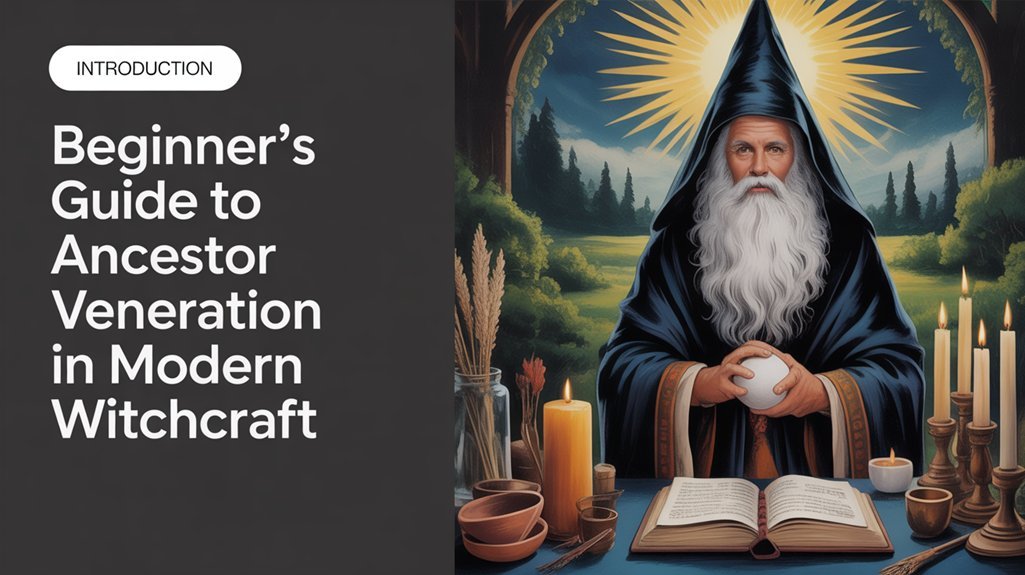
Ever felt a pull towards your roots? Maybe you’ve sensed the whispers of those who came before you. Trust me, I’ve been there. It can be a beautiful journey, especially when you embrace ancestor veneration as part of your practice. Unlike deity worship, where figures are often placed on pedestals, this approach invites you to treat your ancestors as respected guides, protectors, and teachers.
Here’s a practical tip to get started tonight: Light a candle in a safe container and say a few words of gratitude to your ancestors. You don’t need a fancy ritual—just your sincere intention. Start there.
Ancestral witchcraft isn’t just about rituals; it’s about building meaningful relationships. When I first began, I wished someone had told me how powerful it feels to acknowledge the struggles and wisdom of my forebears. You’re not venerating mythological figures; you’re connecting with real bloodlines and spiritual traditions that can strengthen your magical foundation. Witchcraft often builds confidence and inner strength, creating a deeper connection to your ancestral roots.
Ancestral witchcraft builds meaningful relationships with real bloodlines, strengthening your magical foundation through acknowledged wisdom and spiritual tradition.
Have you ever thought about your lineage? Whether it’s through blood, shared earth, or magical tradition, ancestral work grounds your practice in authentic personal threads. It offers a sense of belonging that goes beyond individualism.
Practical Steps to Connect with Your Ancestors
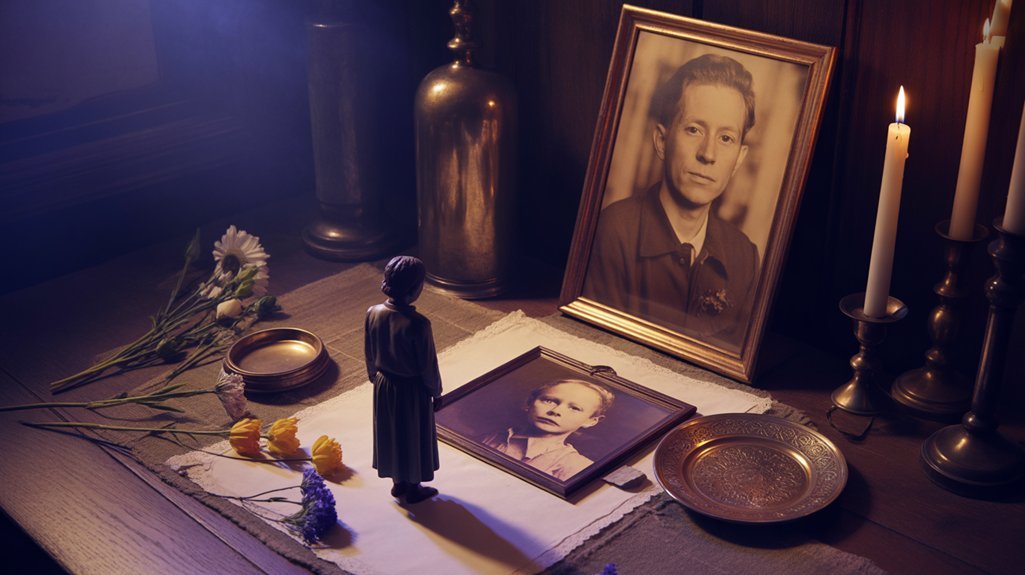
- Create an Ancestral Altar: Find a small space in your home to dedicate to your ancestors. It doesn’t need to be elaborate—just a few photos, a candle, or a piece of their favorite item. This becomes a sacred space for honoring them.
- Daily Reflection: Spend a few minutes each day in quiet reflection. Ask your ancestors for guidance and listen. This is a two-way street; they may have wisdom to share.
- Research Your Heritage: Dive into your family history. Websites, local libraries, and even conversations with relatives can reveal stories that deepen your connection. What I wish I’d known as a beginner is that understanding your roots can enrich your practice immensely.
- Incorporate Their Favorites: Whether it’s a favorite food, flower, or color, include these in your rituals. It’s a small yet significant way to honor them and make your practice more personal.
Engaging with Your Ancestral Lineage
As you explore this path, remember to stay grounded. Some practices may not resonate with everyone, and that’s okay. Be patient—results vary. The first time I tried connecting with my ancestors, I didn’t feel anything at first. But with time, the connection grew stronger.
If you’re working with herbs or crystals in your practice, always ensure they’re ethically sourced. For example, when using herbs, check for sustainable harvesting practices. And if you’re thinking about ingesting anything, consult a healthcare provider to avoid any risks.
Moving Forward
So, what’s next for you? Maybe spend some time tonight setting up that ancestral altar or simply reflecting on what ancestors mean to you. Trust the process. It’s about building a relationship over time, not an overnight transformation.
I encourage you to take these steps and see how they resonate with you. You might find that your ancestors have a lot to share, guiding you on your journey in ways you never expected.
The Problem
You’re likely struggling to connect with your ancestors because fragmented family relationships and cultural disconnects leave you without inherited spiritual frameworks or guidance.
This matters because unhealed ancestral trauma perpetuates patterns that sabotage your personal goals, relationships, and sense of purpose across generations.
Whether you’re estranged from living relatives, raised in a culture that avoids death, or inheriting both gifts and difficulties from your lineage, you need practical tools to rebuild these broken links—not just mystical gestures.
So what happens when you start to actively engage with these ancestral connections?
The next step is to explore actionable strategies that can help you heal these wounds and restore those vital links.
Why This Matters
When I first began my journey, I didn’t realize how vital my connection to my ancestors would be. Have you ever felt that gap between who you’re today and the wisdom of those who came before you? Disconnecting from ancestor veneration isn’t just a personal choice; it’s like cutting a thread that weaves together your past and present. You lose out on spiritual guidance and community ties that can really shape your path.
Without honoring your ancestors, their spirits can feel more like distant shadows than the wise allies they truly are. I learned this the hard way. In my practice, I found that when I didn’t actively engage with my lineage, I missed out on the collective memory and knowledge that could help me heal generational wounds. It’s not just about you—it’s about healing the patterns passed down through generations.
Ready to explore this connection? Start with a simple ritual tonight. Light a candle in a safe container—never leave it unattended—and take a moment to reflect on your ancestors. You can say a few words of gratitude or simply invite their presence into your space. That’s enough to begin.
As you engage with your ancestors, consider the practical benefits you gain. They offer guidance through ritual communication, helping you navigate challenges with insights that are often overlooked. This practice is supported by various traditions, whether you’re following Wiccan sabbats or exploring Norse rune work. Each has its own way of honoring the past.
But here’s the truth: this approach won’t work for everyone, and that’s okay. Some practitioners may disagree, and that’s valid. Trust the process and be patient—results can vary. If you’re unsure where to start, seek guidance from practitioners within the traditions you’re drawn to. Respecting the origins of these practices is crucial.
What I wish I’d known as a beginner is that this work is deeply personal and can be messy. There’s no one-size-fits-all approach. Take your time to explore what resonates with you—whether it’s through family stories, ancestral altars, or simply quiet moments of reflection.
If you want to dive deeper, think about creating an ancestral altar. Start small: include a photo, a meaningful object, or even a handwritten note. Each item can serve as a bridge between you and your lineage.
Who It Affects
A quiet shift is happening in spiritual communities worldwide, and it’s reshaping who practices ancestor veneration today. If you’re under forty, you’re not alone—many of us have turned away from traditional religion, seeking a deeper connection without letting go of our spirituality. You might find that urban environments are ideal for your practice; they often host nearly double the practitioners compared to rural areas.
Ever felt that pull towards your roots while navigating your own spiritual path? I certainly have. It’s a journey where you can root yourself in lineage while carving out your own identity. This isn’t just about following tradition; it’s about personal interpretation and finding what resonates with you.
Here’s a simple practice to try tonight: light a candle in a safe container—something you won’t leave unattended. Take a moment to breathe deeply and think about an ancestor you want to honor. You can express gratitude or simply acknowledge their presence. That’s enough.
What I wish someone had told me when I was starting out is that ancestor veneration isn’t about perfection. It’s about connection. You don’t need to have all the answers or follow a rigid structure. Your practice can be as unique as you are.
As you explore this path, remember to honor the cultural origins of your practices. If you’re drawn to specific traditions, seek guidance from those who hold that knowledge. It helps to ensure a respectful and authentic connection.
After years of working with different herbs, I learned the value of sourcing ethically. Whether you’re using herbs for ritual or just to cleanse your space, consider their origins. Sustainable harvesting is crucial. When it comes to crystals, look for ethically mined options. This small step makes a big difference.
Take a moment now to reflect: what does honoring your ancestors mean to you?
As you dive deeper, be patient with yourself; results can vary, and that’s perfectly okay. Some practitioners may have differing views, and that’s valid too. Trust the process.
To wrap up this moment, here’s a next step: create a small space in your home dedicated to your ancestors. It could be as simple as a shelf with a photo and a candle. This is your sacred space. Start there and see how it feels.
The Explanation
Neglecting proper containment practices or adopting cancel culture attitudes towards your ancestors can lead to spiritual dysfunction.
This issue is rooted in our modern society’s fractured relationship with death and the absence of rituals that establish healthy boundaries with the deceased.
As we explore this, consider how cultural displacement, unexamined ancestral trauma, and a lack of understanding about the impact of neglected spirits can complicate your life and magical practices. Additionally, the historical context of witch trials and mental health reveals how societal attitudes toward spirituality and mental well-being have long been intertwined.
Root Causes
Since I first stepped onto this path, I’ve often thought about the deep roots of our practices. Have you ever felt that connection to your ancestors? It’s something that goes back thousands of years, way before Christianity entered the scene. Ancestor veneration is woven into humanity’s oldest spiritual traditions. In ancient polytheistic societies, magic practitioners were respected wisdom-keepers, creating a bridge between generations.
But when Christianity redefined these beliefs, many of those practices went underground. They transformed into what we now recognize as modern witchcraft. You’re inheriting a lineage that isn’t bound by a single religion or culture. Your DNA and blood ties form real spiritual channels. Your ancestors care about your wellbeing; they’re not just figures of the past.
Here’s a practical tip: Why not set up a small altar tonight? Gather a few items that remind you of your ancestors—a photo, a piece of jewelry, or even a favorite food of theirs. This simple act can help you start building that connection. Trust me, it’s a grounding experience.
Contemporary ancestral witchcraft isn’t about reinventing the wheel. It’s about reclaiming the ancient wisdom our forebears had. They offer protection and insight, and they’re here to guide you. What I wish someone had told me early on is that this bond is reciprocal. It’s not just about seeking help; it’s about nurturing a relationship over time.
As you embark on this journey, remember: every practitioner has their own interpretation. Some might focus on Norse runes, while others might find solace in Wiccan sabbats or even eclectic kitchen witchery. Each path is valid. Just ensure you approach these traditions with respect. If you’re drawn to a specific practice, seek guidance from those who are part of that tradition.
Now, let’s talk safety for a moment. If you’re using candles on your altar, always place them in fire-safe containers. Never leave them unattended. And if you’re working with herbs, be sure to consult a healthcare provider, especially if you’re pregnant or on medication.
After years of working with different herbs, I learned the hard way that some plants can have unexpected interactions. It’s always better to err on the side of caution.
So, what’s next? Try creating a small ritual that honors your ancestors. Light a candle, say their names out loud, and express gratitude for their guidance. You can even ask for their wisdom in your life.
Remember, results can vary. Some folks might feel an immediate connection, while others may need time. That’s perfectly okay. Be patient with yourself.
What’s one thing you want to ask your ancestors? Jot it down, and let it guide you in your practice. You’re not alone on this journey; your ancestors are right beside you. Start there. That’s enough for now.
Contributing Factors
Building your ancestral altar can feel overwhelming, can’t it? I remember when I first started—there was so much information, and I didn’t know where to begin. But here’s the thing: ancestor veneration isn’t just a trend; it’s a practice that has stood the test of time across cultures.
Let’s explore some reasons why this work is gaining popularity in today’s witchcraft:
- Historical reclamation: Many modern practitioners are diving into forgotten practices. This grounding in authentic roots can help you feel more connected to your spirituality. It’s not about inventing traditions; it’s about rediscovering them.
- Intergenerational healing: Have you noticed patterns in your family that just keep repeating? I’ve seen how ancestral work can help unravel those threads. You might find it creates real shifts in how you think and feel.
- Spiritual lineage: If you’ve ever felt a kinship with herbalists or wise folk from the past, you’re not alone. This connection across time can deepen your practice and make it feel more personal.
- Practical accessibility: You don’t need fancy tools to honor your ancestors. A glass of water, a candle, or even a photograph can be enough to start. Trust me, simplicity can be powerful.
These elements together turn ancestor veneration into a meaningful part of your spiritual toolkit. It’s not just about rituals; it’s about genuine transformation.
Ready to try something tonight? Grab a small bowl of water and a candle. Light the candle and take a moment to reflect on your ancestors. You can even say a simple phrase like, “I honor my ancestors.” Start there. That’s enough for now.
As you explore this work, remember that everyone’s journey is unique. What works for one person mightn’t resonate with another, and that’s completely valid. Be patient with yourself.
When I first started, I thought I’d to follow every guideline perfectly. But what I wish I’d known is that personal interpretation is just as important as tradition. Feel free to adapt practices in a way that feels right for you.
Lastly, always be mindful of safety. If you’re working with candles, make sure they’re in fire-safe containers and never leave them unattended. And if you’re using herbs or other materials, consider their sources—ethical harvesting matters.
What the Research Says
Anthropologists largely agree on the foundational role of animism, identifying it as the oldest religious trait that supports ancestor veneration across cultures, bolstered by compelling statistical evidence (0.99 proportional likelihood).
However, the dialogue shifts when it comes to the interplay between shamanism and ancestor worship. Some scholars highlight their coevolution as mutually reinforcing, while others posit that belief in an afterlife alone can account for ancestor veneration, independent of shamanic intermediaries.
As we explore the nuances of these practices, we must consider a critical tension revealed in contemporary witchcraft research: the same spiritual connections that bind you to benevolent ancestors can also lead to harm through witchcraft accusations.
This spectrum of practices raises intriguing questions about kinship dynamics and cultural context, setting the stage for deeper exploration into how these beliefs manifest in various societies.
Key Findings
Research shows that beliefs in witchcraft touch nearly half of the world’s adult population, spanning 95 countries. It’s fascinating to see the range—from just 9% in Sweden to a striking 90% in Tunisia. That’s around one billion believers! And honestly, it’s likely undercounted since many feel uneasy discussing these topics.
What I find especially compelling is the relationship between witchcraft beliefs and the strength of rule-of-law in a region. As I’ve observed in my practice, stronger legal frameworks can lead to a decrease in these beliefs by about 9 percentage points for every standard deviation increase. It’s a reminder of how our environment shapes our spiritual landscapes.
Now, let’s talk about ancestor veneration. This is where things get interesting. Many contemporary practitioners, like you and me, are shifting toward individualized practices rather than traditional coven structures. Ever felt that pull to connect more personally with your ancestors? Many are integrating modern tools, like DNA testing, to strengthen those ancestral ties.
This evolution shows how we’re rethinking our spiritual connections—it’s about complementing our existing kinship bonds rather than replacing them with something entirely new.
Practical Takeaway:
Want to start honoring your ancestors tonight? Create a small, personal altar. You can use a few meaningful items—photos, heirlooms, or even a candle in a fire-safe container. Light it, and take a moment to invite their presence into your space. Trust the process. It doesn’t need to be elaborate; just start there.
I remember feeling overwhelmed when I first explored ancestor work. What I wish someone had told me back then is that it’s okay to make it personal. There’s no one right way.
Engagement Break:
How do you currently connect with your ancestry? Do you have a favorite family story or a tradition that you cherish?
In my practice, I’ve learned that while these beliefs can vary widely, they all carry a thread of commonality—our desire to understand where we come from and the influence of those who came before us.
Just be mindful: when exploring these practices, respect cultural origins and seek guidance from those within closed traditions.
And remember, safety first! If you’re using herbs or candles, always check for any health concerns, especially if you’re pregnant or taking medications. It’s all about honoring the craft while keeping yourself grounded.
Next Steps:
Try this simple ritual tonight: Sit quietly with your chosen items on your altar. Close your eyes and breathe deeply. Visualize your ancestors surrounding you. What messages do they have for you? Write down any feelings or thoughts that arise.
This practice can deepen your connection and offer insights that may surprise you.
Be patient—results vary, and that’s totally normal. You’re on a personal path, and it’s uniquely yours.
Where Experts Agree
Honoring Your Ancestors: A Practical Guide
Have you ever felt a stirring connection to your roots that you just couldn’t explain? I remember that moment vividly, standing in front of an old family photo and feeling a mix of pride and curiosity. If you’re ready to explore your lineage and honor your ancestors, let’s dive into some practical steps you can take tonight.
Start with a simple altar. You don’t need anything fancy—just a small space where you can collect items that represent your ancestors. Maybe it’s a photo, a trinket they cherished, or even a favorite flower. These tokens create a physical connection, making the practice feel tangible. Trust me, the act of creating this space can be deeply grounding.
Next, try some genealogy research. You’d be surprised at what you can find online. Websites like Ancestry or FamilySearch can help you trace your family tree. I learned the hard way that piecing together family stories can bring up uncomfortable truths, but facing those shadows is part of the journey. That’s enough—embrace it all.
When you’re ready, consider performing a simple ritual to honor your ancestors. Light a candle in a fire-safe container (never leave it unattended), and invite their spirits in with a heartfelt intention. You could say something like, “I honor my ancestors and welcome their guidance.” This respectful communication helps build that connection.
Engagement Break: What’s one family story that’s been passed down to you? Reflecting on those narratives can illuminate your path.
Now, let’s talk about the nuances. It’s essential to acknowledge your entire ancestral legacy, even the uncomfortable parts. Some practitioners might shy away from this, but addressing problematic ancestors through intentional legacy work can lead to healing.
Think of it as a way to break cycles of generational trauma. It won’t work for everyone, but it’s worth considering.
After years of exploring these practices, I’ve found that what unifies many of us is a desire for tangible outcomes: healing, wisdom, and deeper emotional well-being. You might find that the more you engage with your lineage, the more confident you feel in your spiritual journey.
Practical Takeaway: Tonight, write down three questions you’d like to ask your ancestors. Keep them near your altar. This simple act can open doors to understanding.
What I wish I’d known as a beginner is that there’s no right way to do this. Everyone’s path is unique, and it’s okay to interpret traditions in your own way.
Keep an open heart and mind, and don’t hesitate to reach out to practitioners from different traditions for guidance. Respect their practices and the cultural origins behind them.
As you continue this journey, remember to source your materials ethically. Whether it’s crystals or herbs, always consider sustainability and respect the origins of what you’re using.
Where They Disagree
Where They Disagree
Starting out in ancestor veneration can feel like stepping into a vibrant conversation with the past. I remember feeling both excited and a bit overwhelmed. Ever felt that? You’re not alone. While many welcome newcomers with open arms, there are complexities that seasoned practitioners and scholars don’t always see eye to eye on.
For instance, the role of ethnicity in practice can spark some intense debates. Some traditions have used ancestry to create boundaries, and I learned this the hard way when I stumbled upon the darker sides of folkish Heathenry. It’s a reminder that some interpretations can lead to exclusionary beliefs. On the flip side, many believe that the connection to the divine isn’t about bloodlines at all. It’s about the call of the gods, open to everyone regardless of heritage.
So, where do you fit into all this? Trust your intuition. Start there.
Another tricky area is accountability. Some practitioners argue for “canceling” problematic ancestors—believing it’s easier to distance ourselves from their actions. But I’ve found that this approach can leave unresolved feelings lingering in our practice. Instead, consider integration. What if you faced those uncomfortable truths instead of skipping over them? That’s where the real work begins. Genuine ancestor work involves looking at generational wounds head-on. It’s not always easy, but it’s worth it.
Try This Tonight: Set aside a few minutes to reflect on your lineage. Write down a few names of ancestors who might’ve been difficult figures for you. Acknowledge their flaws. Just that act of recognition can be a powerful first step.
As you navigate these waters, remember that every practitioner brings their own perspective. Some folks will disagree with you, and that’s okay. What I wish I’d known as a beginner is that it’s not about getting it “right”—it’s about finding what resonates with you.
Ready to explore deeper? Consider seeking out resources or mentors from traditions you’re curious about. There’s a wealth of knowledge out there, but it’s vital to approach it respectfully. Some practices come from closed traditions, so always ask questions and listen.
And as you gather materials for your practice—whether it’s herbs, crystals, or other tools—think about where they come from. Ethical sourcing matters. It’s not just good for the earth; it’s good for your spirit.
Final Thoughts: Your journey in ancestor veneration is uniquely yours. Embrace the complexities, and know it’s okay to hold space for both the light and the shadow. Each step you take brings you closer to understanding your roots and the nuances of your lineage. So, take a breath, and trust the process.
Practical Implications
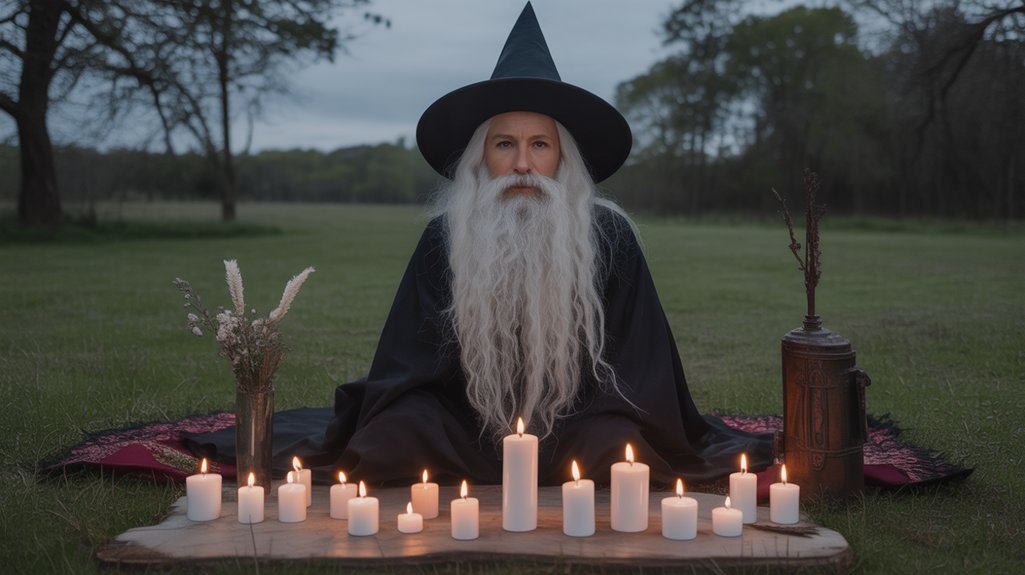
Having established the importance of choosing ancestors whose values resonate with your own, you might wonder how to begin this practice effectively.
Starting with simple daily offerings like shared meals, lit candles, and fresh water can create a meaningful connection while ensuring that your ancestor items remain distinct from everyday objects. This foundational step is crucial, as it helps prevent the common issue of veneration without containment, prompting the need for grounding techniques like scrying to navigate intense spiritual interactions safely. Additionally, understanding that witchcraft is a spiritual practice grounded in nature can deepen your appreciation of this connection.
What You Can Do
Once, I remember feeling lost in the sea of ancestral practices. I wanted to connect deeply, but it all felt overwhelming. Here’s the truth: you don’t need an elaborate setup to honor your ancestors. You just need a genuine heart and some simple steps. Ready to dive in?
Start tonight. Create a dedicated space** that resonates with you. It could be a small shelf or a corner of your room. Add photos, heirlooms, or any items that remind you of your ancestors. A bowl of fresh water** can be a lovely touch—just remember to refresh it daily. It’s a small act, but it carries intention.
Next, establish daily communication**. It doesn’t have to be long or complex. A simple prayer** or a few written words can invite their guidance into your life. I learned this the hard way: it’s not about perfection, just consistency. Ever felt that?
Share offerings too. Light a candle in their honor—just make sure it’s in a fire-safe container and never leave it unattended. You could even leave a bit of food at your dinner table or maintain a bowl of herbs on your altar. It doesn’t have to be fancy; what matters is the love behind it.
If you’re curious about your roots, research your lineage. Dig into your family history. This can help you honor both blood and spiritual ancestors. Trust me, the stories you uncover can deepen your connection in ways you mightn’t expect.
These practices build over time. You don’t need to wait for specific seasons; it’s the consistent connection that counts. Start small, stay authentic, and let your relationship with your ancestors grow naturally through your engagement.
What I wish I’d known as a beginner is that it’s okay to make mistakes. Some techniques mightn’t resonate with you, and that’s completely valid. Be patient with yourself—results vary for everyone.
What to Avoid
As you dive into your ancestral practice, you’ll find that setting clear spiritual boundaries between the living and the dead is essential. I remember when I first started, I didn’t grasp how crucial this was.
Working at a gravesite demands stronger protection than what you might need for a home shrine—when you’re physically close to remains, the stakes get higher.
Here’s a tip: Don’t fall into the trap of cherry-picking ancestors to fit a neat narrative. You’re honoring real people, each with their contradictions. This isn’t about crafting an aesthetic altar for social media; it’s about genuine respect.
Acknowledging the uncomfortable truths in your lineage is vital. You don’t have to shoulder guilt for systemic harm, but ignoring it won’t lead to true healing. Trust me, I learned that the hard way.
And remember, you’re not obligated to include every bloodline ancestor. If someone caused harm, it’s okay to keep them at a distance. Just because someone has passed doesn’t mean they’re now a benevolent guide.
Yet, avoid the temptation to completely cancel out ancestors—that’s just avoidance disguised as boundaries.
Instead, set clear criteria for whom you’ll venerate. Choose those who resonate with your values and truly offer wisdom and love. That’s a grounding practice to start with.
Have you ever felt overwhelmed by the weight of your ancestors? It’s normal. Take a moment to breathe and reflect.
Which ancestors inspire you? Focus on them.
Now, let’s get practical. If you’re ready to try something tonight, consider creating a simple ancestor altar. Gather a few meaningful items: a photo, a favorite food they enjoyed, or something that represents their essence.
Place them on a table or shelf and light a candle (use a fire-safe container and never leave it unattended). As you arrange the items, set your intentions. What do you want to learn or receive from them?
After years of working with ancestors, I’ve found that this kind of focused intention really deepens the connection. Take your time with it.
It’s important to remember that this won’t work for everyone. Be patient with yourself—results vary, and that’s completely valid.
What I wish someone told me when I started is that you don’t need to rush this process. Trust that as you connect with the ancestors who align with your values, you’ll feel more grounded in your practice.
Comparison of Approaches
Ancestor veneration can feel overwhelming at first, can’t it? When I started, I wished someone had broken it down for me. There’s no single approach that fits everyone. Instead, there are five distinct paths to explore, each with its own flavor and depth.
| Approach | Commitment Level | Best For |
|---|---|---|
| Simple Ritualistic | Low | New practitioners |
| Altar-Based | Moderate | Visual learners |
| Contemplative/Dream | Moderate | Intuitive practitioners |
| Spiritual Lineage | Moderate | Non-traditional seekers |
| Mediumship/Channeling | High | Advanced practitioners |
Which approach resonates with you? Your choice will depend on your available time, natural inclinations, and what you hope to achieve spiritually. Beginners often find comfort in simple rituals or altar-based practices—these require little training and can be very grounding.
If you’re leaning towards more intuitive work, contemplative methods might suit you well. They allow you to explore without feeling overwhelmed. I learned this the hard way: starting simple keeps you connected without losing the magic.
For those honoring magical traditions instead of biological ones, spiritual lineage veneration can feel liberating. It opens doors to explore your ancestry in a broader sense. Mediumship and channeling, on the other hand, demand a lot of skill development. It’s not for everyone, and that’s totally okay.
Remember, you can mix and match these methods. You’re not locked into one way of doing things. As you grow, feel free to evolve your practice.
Practical Tip: Try This Tonight
Start with a simple ritual. Light a candle in a fire-safe container—never leave it unattended—and take a moment to breathe. Focus on your intention: Who do you want to connect with? What do you wish to honor?
Write down a few thoughts or memories about that ancestor. This is your space to reflect. That’s enough for your first attempt. Trust the process.
Engagement Break
What traditions or practices are you already drawn to? Share your experiences; they might inspire someone else!
Deepening Your Practice
As you explore, remember that there are cultural and traditional origins to these practices. Always seek guidance from those within those traditions. It’s important to honor those roots and respect the ethics around sourcing materials—think ethical crystal mining or sustainable herb harvesting.
After years of working with different herbs, I can tell you that what works for one person might not work for another. Be patient—results vary, and some practitioners disagree, and that’s valid.
What I wish I’d known as a beginner is that there’s beauty in imperfection. It’s okay to make mistakes and learn as you go.
Next Steps
Take a moment to reflect on what you’ve learned. What resonates most with you? Decide on one approach to explore further. Maybe it’s that simple ritual you just tried. Keep it close to your heart, and let it grow with you.
Key Takeaways
You’ve just dipped your toes into five approaches to ancestor veneration, each offering a unique way to deepen your spiritual journey. Ever felt that pull to connect with those who’ve come before you? It can be incredibly grounding. Let’s talk about some key principles to guide you as you move forward.
Start small. You don’t need to dive into anything overwhelming right away. A daily prayer or creating a simple altar can establish a meaningful connection without feeling like too much. Trust me, this can be enough to get you started.
Honor your lineage. Remember, your blood relatives, spiritual ancestors, and the spirits of the place you live each carry distinct wisdom. They all have something to share. What if you took a moment to reflect on who you feel drawn to?
Listen actively. Ancestral guidance often comes through signs, dreams, or that gut feeling you just can’t shake. It’s about being open and receptive. In my practice, I learned this the hard way. The more I tuned in, the clearer the messages became.
Evolve intentionally. As you grow more confident, consider moving from simple veneration to practices like candle magic or seasonal celebrations. These can deepen your connection and enrich your experience. Start there.
You’re not just performing spells; you’re rebuilding bridges across generations. This practice can help counteract feelings of isolation and ground you in meaningful work that benefits not only you but those who came before you.
A Quick Practical Tip:
Why not create a small altar tonight? Gather a few items that remind you of your ancestors—a photo, a meaningful trinket, or even a favorite flower. Place them somewhere special in your home. This simple act can set the stage for deeper connections.
And remember, safety first! If you’re using candles, always place them in fire-safe containers and never leave them unattended. When working with herbs, check with a healthcare provider if you plan to ingest anything, especially if you’re pregnant or on medications.
What I wish I’d known as a beginner is that it’s okay to take your time with this. Some practitioners might feel overwhelmed by their first attempts, and that’s completely valid. Be patient—results can vary, and that’s part of the journey.
Frequently Asked Questions
How Do I Contact Ancestors Who Died in Traumatic or Violent Circumstances?
Q: How can I connect with my ancestors who died in traumatic circumstances?
Yes, you can connect with them through rituals that honor their names. Start by reciting their names while grounding yourself to the earth.
Consider practicing Samhain rituals on October 31st, as they’re particularly receptive then. Always approach these practices with respect, acknowledging specific cultural traditions if applicable.
Q: What’re some effective ways to communicate with my ancestors?
You can channel their knowledge through meditation or by writing letters that reframe their narratives.
Offering them a meal or performing simple rituals can support their unfinished projects. Remember to approach this with care and intention; it’s vital to create a safe space for these communications.
Q: How can I ask my ancestors for guidance?
You can ask them directly for warnings or healing by invoking their names during your rituals.
It’s essential to maintain a respectful attitude and be open to their responses. Be mindful of your emotional state during these practices; grounding yourself beforehand can help create a more focused environment.
Q: Are there any safety considerations for ancestor rituals?
Yes, always prioritize safety when using candles or fire in your rituals.
Be cautious with any herbs or substances you plan to use, especially if you’re pregnant or have health concerns—consult a healthcare provider if needed. Respecting these boundaries ensures a safe and respectful practice.
What Should I Do if I Have No Information About My Family History?
Q: What should I do if I don’t know anything about my family history?
You don’t need family records to connect with your lineage. Start by calling on ancestral archetypes like healers and wise folk that reflect your cultural roots.
You can create a generic ancestor altar with offerings like water and incense. Remember to approach this respectfully, especially if drawing from specific traditions—consider learning from practitioners in those cultures.
Q: How can I honor my ancestors without knowing them?
You can honor your ancestors by connecting with universal archetypes. Meditation and journaling can help you intuitively identify which spiritual ancestors resonate with you.
Just be mindful that some practices are rooted in specific cultures; it’s best to seek guidance from those who belong to those traditions to ensure respectful engagement.
Q: Is it safe to create an ancestor altar at home?
Yes, it’s safe, but make sure to follow basic safety precautions. If you use candles, never leave them unattended and place them on a stable surface.
For offerings like herbs, avoid ingestion unless you’re certain of their safety and effects. If you’re pregnant or have health concerns, consult a healthcare provider before using essential oils or other herbal materials.
Can I Practice Ancestor Veneration if My Family Practiced Different Spiritual Traditions?
Can I practice ancestor veneration if my family practiced different spiritual traditions?
Yes, you can practice ancestor veneration regardless of your family’s spiritual background.
Start by honoring ancestors who resonate with you, while acknowledging their original beliefs.
It’s important to approach this with respect for their traditions, so consider learning from practitioners in those cultures.
Always ensure your practices are safe, like using candles responsibly to prevent fire hazards.
How Often Should I Perform Rituals or Leave Offerings for My Ancestors?
How Often Should I Perform Rituals or Leave Offerings for My Ancestors?
Q: How often should I do rituals for my ancestors?
You can find your ideal frequency through experimentation. Start by performing rituals weekly, perhaps on Mondays or Saturdays, then tweak as it feels right for you.
Consistency’s more important than how often you do it. Just remember, your ancestors appreciate genuine effort, so listen to your intuition as your relationship grows.
Q: Can I light candles daily for my ancestors?
Yes, lighting candles daily is a simple way to connect with your ancestors. Make sure to keep candles on a stable surface and never leave them unattended.
This daily practice can foster a sense of presence and connection, but always prioritize safety.
Q: Are there special occasions for ancestor rituals?
Absolutely! Events like Samhain are significant for honoring ancestors.
Consider dedicating more elaborate ceremonies on these dates while incorporating personal touches that resonate with you. Respect each tradition’s unique customs and learn from practitioners within those traditions for guidance.
What Boundaries Should I Set With Ancestors Who Seem Demanding or Negative?
Q: Do I’ve to honor ancestors who were negative or demanding?
No, you don’t have to honor ancestors who bring negativity into your life. You can set clear boundaries by stating your intentions during rituals.
Politely acknowledge their memory but limit their involvement in your spiritual practice. Remember, you’re protecting your space and well-being, which is essential for your growth.
Q: How can I establish boundaries with my ancestors?
You can establish boundaries by communicating them directly during your rituals. Clearly express which behaviors you won’t accept and what kind of support you need instead.
Creating a safe space for your personal practice is important, so feel empowered to protect your energy.
Q: Is it disrespectful to exclude certain ancestors from my rituals?
No, it’s not disrespectful to exclude ancestors who’ve caused harm. In many cultures, honoring your well-being is a priority.
Focus on the ancestors who uplift you instead, and make space for positive energies. Always respect cultural traditions, so if you’re unsure, consider learning from practitioners within that specific tradition.
Q: What should I do if I feel pressured by my ancestors during rituals?
If you feel pressured, it’s okay to pause and reassess your practice. Acknowledge their presence but assert your boundaries firmly.
You can even invite protective energies to create a safe atmosphere. Prioritizing your comfort and spiritual safety is crucial for your practice.
Q: Can I incorporate protective rituals to shield myself from negative ancestral energy?
Yes, you can incorporate protective rituals such as cleansing your space with herbs or using crystals.
Just be cautious with any herbs or materials you use, especially if you’re pregnant or have allergies. Always consult a healthcare provider if you’re unsure about any ingredients or practices.
Conclusion
Honoring your ancestors brings depth and connection to your witchcraft practice. Tonight, find a quiet space and light a single white candle, focusing on your intention for three minutes. Then, take a moment to journal one sentence about what you felt during this time. This simple act can open pathways to healing and wisdom.
Trust that each step you take strengthens your bond with those who came before you. Start there. You’ve got this!
Amazon and the Amazon logo are trademarks of Amazon.com, Inc, or its affiliates.
Continue Your Magical Journey
Free Witchcraft Starter Kit
Get 6 free printable PDFs: grimoire pages, moon calendar, spells, crystals, herbs, and tarot journal.
We respect your privacy. Unsubscribe anytime.
Enhance Your Practice
As an Amazon Associate, I earn from qualifying purchases.