


As an Amazon Associate I earn from qualifying purchases.
Have you ever lit a stick of incense during a ritual and felt it just didn’t resonate with you? I remember the first time I used store-bought incense and thought, “This doesn’t feel right.” Tonight, you can create your own natural incense using herbs from your garden, and I promise it’s easier than you think. After 10 years of practice, I’ve learned that blending these herbs can really enhance your spiritual connection. So why not give it a try? Start with what you have on hand. That’s enough. Let’s explore how to make your rituals more personal with just a few simple steps.
Key Takeaways
- Combine 1 part dried lavender, 1 part rosemary, and 1 part frankincense with gum Arabic to craft unique incense that enhances your space’s aroma.
- Shape your herb mix into 10-15 cones or sticks for easy burning and a visually appealing presentation during rituals or relaxation.
- Allow your incense to dry for 48 hours to ensure optimal performance and prevent mold, guaranteeing a pleasant aromatic experience.
- Limit burning to 5-10 minutes in well-ventilated areas to minimize health risks associated with prolonged smoke exposure.
- Source herbs sustainably from local suppliers to support environmental health and deepen your connection to traditional spiritual practices.
Introduction
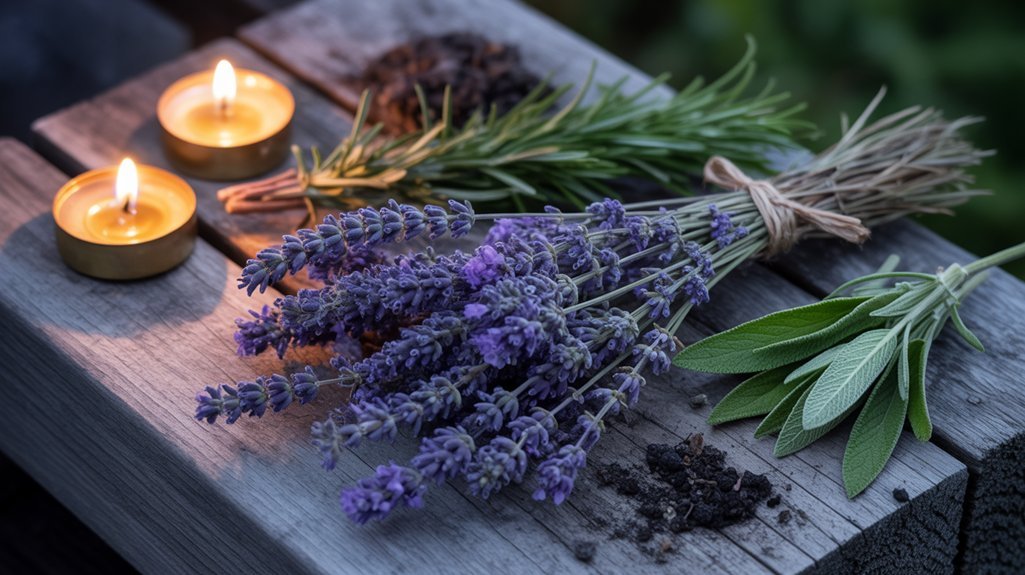
Ever felt overwhelmed by the choices in the incense aisle? I remember standing there, unsure which scent would align with my intentions. If you’re looking to create something personal and meaningful, making your own incense is a great way to start.
Ever felt overwhelmed by incense choices? Creating your own allows you to craft something deeply personal and meaningful.
It’s a simple craft that connects you to ancient traditions, where cultures have used incense for spiritual rituals, healing, and aromatherapy for centuries. The healing power of witchcraft is rooted in these practices, making your incense not just fragrant but also spiritually significant.
Here’s a practical takeaway: Why not try blending a few herbs from your garden or local market tonight? You’ll gain control over every ingredient, allowing you to tailor scents that resonate with your unique journey.
Garden herbs pack a punch. Lavender can soothe anxiety, rosemary may help sharpen your focus, and frankincense offers traditional anti-inflammatory benefits.
What I wish I’d known as a beginner is how easy it’s to experiment. Mixing these herbs can lead to personalized incense that enhances your meditation, purifies your space, and supports your wellness goals.
Getting Started
To craft your incense, you’ll need:
- Dried herbs: Choose ones that speak to you, like chamomile for calm or sage for cleansing.
- Binder: This can be natural gum or honey — something that helps your herbs stick together.
- A heat-safe container: For mixing and burning your incense.
Step 1: Start by measuring out equal parts of your chosen herbs. Remember, it’s all about what feels right to you.
Step 2: If you’re using a binder, mix it in now. Add just enough to hold everything together without making it too sticky.
Step 3: Roll the mixture into small cones or sticks. If you prefer, you can also use a loose blend and burn it on a charcoal disc.
Safety Note: Always use fire-safe containers when burning incense, and never leave it unattended. If you’re planning to ingest any herbs, be sure to consult a healthcare provider about possible interactions.
Personal Reflection
After years of working with different herbs, I’ve found that some blends resonate more than others. The first time I tried my own lavender and sage mix, it transformed my meditation space.
The scent enveloped me, grounding my practice.
What do you want to create? Think about the feelings you want to evoke. Maybe it’s calm, clarity, or connection.
Ethical Sourcing
As you gather your materials, consider where they come from. Look for sustainably harvested herbs and ethically mined crystals.
It’s a small step, but it honors the traditions we’re drawing from.
Engaging with Tradition
Remember, every tradition has its roots. Whether you’re inspired by Wiccan practices, Norse rituals, or simply your own intuition, respect the cultural origins of the herbs you use.
If you’re unsure, connecting with practitioners from those traditions can deepen your understanding.
Be patient with yourself. This journey won’t be perfect, and that’s okay. Some blends mightn’t resonate, and that’s valid.
Try to enjoy the process as much as the outcome.
Next Steps
Ready to dive in? Gather your herbs and start experimenting. Don’t worry about getting it perfect.
Trust the process, and let your intuition guide you.
What will your first blend be? Take a moment to reflect on the herbs that call to you. Start there. That’s enough. You’re on your way.
The Problem
You’ve likely encountered frustration when your homemade incense won’t light, burns unevenly, or develops mold despite your best efforts.
These common failures affect anyone crafting natural incense, from beginners experimenting with basic recipes to experienced practitioners seeking consistent results.
Recognizing the pitfalls—whether they stem from improper drying, imbalanced ingredient ratios, or storage mishaps—sets the stage for mastering your craft.
Why This Matters
Ever lit a stick of incense and felt that calming wave wash over you? I remember that feeling well from my early days. Incense has been part of spiritual and domestic spaces for ages, offering a sense of connection and peace.
But here’s something I wish I’d known back then—burning traditional incense can seriously impact your health.
When you light up that sweet-smelling stick, you’re actually releasing PM2.5 particles. These tiny bits can seep into your bloodstream and settle in your lungs, potentially leading to some heavy issues like cancers or heart disease. Ever thought about that? You’re also inhaling formaldehyde and benzene—two substances that often exceed safety limits by a long shot, especially in enclosed spaces.
Trust me, I learned this the hard way.
But don’t worry; there’s a way to enjoy your practice without the worry. Creating your own natural incense from herbs you can grow or source sustainably gives you control over what you’re burning. You get to skip the toxic additives and synthetic binders.
Try This Tonight: Gather some fresh herbs from your garden or local market—think rosemary, lavender, or sage. Dry them out, crush them, and roll them into small cones or sticks. Light one up in a fire-safe container and see how it feels. Start there. It’s a small step, but it makes a big difference.
Personal Insights
In my practice, I’ve found that using natural herbs not only smells better but also feels better. You’re protecting your family’s health while reducing indoor pollution.
And it can spark a deeper connection to the plants themselves.
What I wish I’d known as a beginner? Not all incense is created equal. So many options out there come with hidden dangers. You deserve to breathe easy while enjoying your rituals.
If you’re diving into this, keep in mind that not every herb is safe for inhalation, and some may have interactions if you’re on medication. Always check in with a healthcare provider if you’re unsure.
Engage with Tradition
As you explore, consider the traditional uses of the herbs you choose. For example, rosemary is often associated with remembrance and purification, while sage is known for its cleansing properties.
You can find beautiful stories and teachings in the lore surrounding these plants.
Ever felt that connection to a specific herb? If you have a favorite, research its historical context. There’s so much depth in what these plants can offer beyond just scent.
Next Steps
As you move forward, think about sourcing your herbs ethically. Look for sustainable options—this not only respects the plants but also the earth.
You might even find local herbalists or growers who can share their wisdom.
Who It Affects
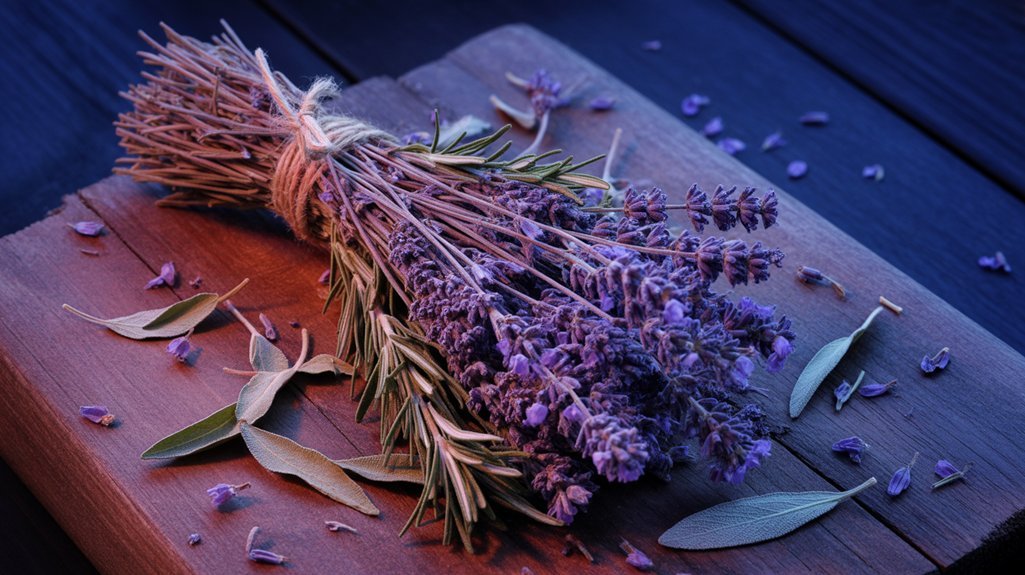
Ever felt overwhelmed by stress or insomnia? I remember those nights when sleep felt like a distant dream. Switching to natural incense can be a game-changer, especially if you’re dealing with anxiety or mood fluctuations. Lavender and frankincense can really help here — they engage your brain’s limbic system, which is all about emotions and memory. So why not give them a try tonight?
If depression’s been weighing you down, sandalwood and frankincense might offer some comfort. They contain boswellic acids, known in traditional practices for their supportive qualities. Just remember, this isn’t a cure-all — results can vary, and it’s essential to honor your own journey.
For those with weakened immune systems, thyme and cedarwood are your friends. Their antimicrobial properties can reduce airborne bacteria significantly. It’s a simple way to create a cleaner space in your home.
And if you’ve been struggling with focus, rosemary and cinnamon can enhance mental clarity. I can’t tell you how many times a little rosemary has helped me stay on track during busy days.
Here’s a practical tip: Start by lighting a stick of natural incense in a safe, fire-proof container. Sit quietly for a moment and just breathe. It’s grounding and can help you connect with the scents on a deeper level.
What I wish I’d known as a beginner is that it’s okay to experiment. Trust your intuition. Not every plant will resonate with you, and that’s perfectly fine. That’s part of the process.
So, whether you’re battling fatigue, mood swings, or just a foggy mind, consider what natural incense can offer. Remember, there’s no rush here — take your time exploring what feels right for you.
Ready to try?
The Explanation
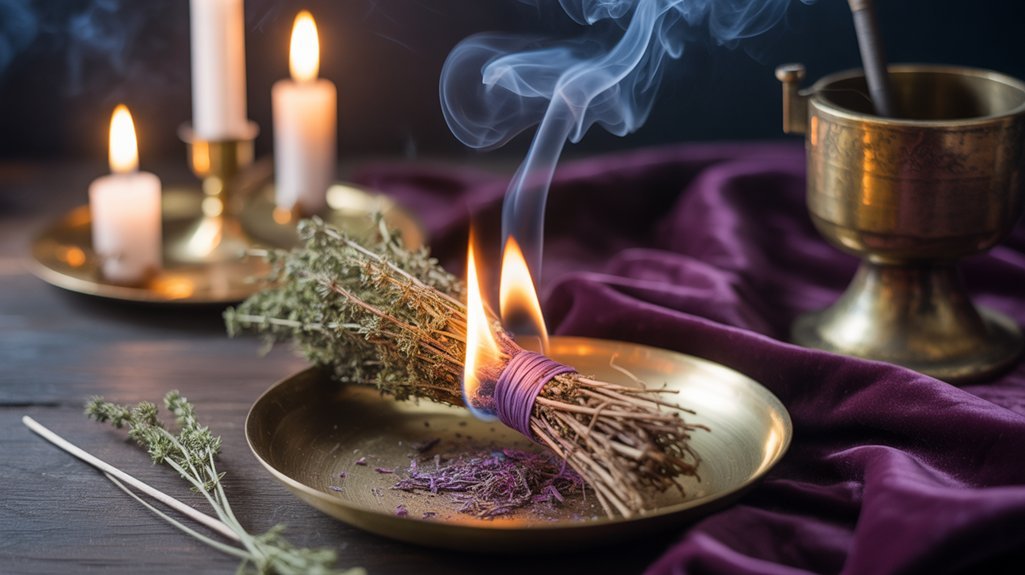
Commercial incense often relies on synthetic fragrances and chemical binders, leading to harsh smoke that reflects a focus on cost over quality.
But what if you could take control of the entire process? By crafting your own incense, you handpick aromatic herbs and choose natural binders like marshmallow root or gum Arabic, ensuring a cleaner burn and a more pleasing scent.
Many people mistakenly believe that witchcraft involves dark magic or harmful practices, but in reality, it often centers around natural elements and holistic approaches to spirituality.
With this understanding, let’s explore how to create your personalized incense and elevate your aromatic experience.
Root Causes
Ever felt that moment when the air in your space just doesn’t feel right? I remember starting out and thinking all incense was created equal. But over the years, I learned what truly aligns with my practice. Let’s talk about why natural incense is a game-changer for your sacred space.
Synthetic options often use coal tar and petrochemical binders. You mightn’t realize it, but when you burn those, you’re inhaling respiratory irritants that can mess with your well-being. It’s a harsh contrast to the calm you’re trying to cultivate.
Natural incense, on the other hand, is a different story. You get to choose every ingredient. Think pure plant resins, sustainably harvested botanicals, and essential oils that keep their integrity.
For example, frankincense contains boswellic acids that can help ease anxiety. Lavender’s linalool can bring a sense of calm to your nervous system. Cedarwood? It’s known to elevate meditation. These aren’t just claims; they’re rooted in traditional practices that many have found beneficial.
Ready to try this tonight? Start with a simple blend of frankincense and lavender. Burn it in a fire-safe container—never leave it unattended.
In my practice, I always focus on sourcing. Look for ethically harvested herbs and resins. It’s a small step, but it helps honor the plants and traditions.
Some practitioners might’ve different views, and that’s totally valid. It’s about finding what resonates with you.
Here’s a quick tip: When you burn natural incense, allow yourself to be present. Notice how the scent shifts and how it makes you feel. This is your space; trust your intuition.
What I wish someone told me as a beginner? Don’t rush the experience. Take your time to explore different scents and blends. You’ll find what works for you, and that’s what matters most.
As you dive deeper into this practice, remember that some methods mightn’t resonate with everyone. That’s okay. Be patient with yourself.
What you choose to burn can have a significant impact on your environment, so make it count.
Now, go ahead and light that frankincense and lavender tonight. Start there. You’ll be surprised at how the right scent can shift your energy.
Contributing Factors
Creating natural incense can be a deeply rewarding experience, but I remember when I first started—I had no idea where to begin. Ever felt that? The good news is, it’s all about understanding the basics and finding what resonates with you. Let’s break it down into three essential elements that will help you craft your own beautiful incense.
1. Aromatic Foundations
Your choice of herbs, resins, and woods sets the stage for your scent profile. Think of it as building a layered fragrance. For instance, combining a base like sandalwood with herbs like lavender or rosemary can create something truly special.
Experiment with different ratios and see what speaks to you.
Try this tonight: Grab a few herbs from your kitchen—maybe thyme or sage—and mix them with a base wood. Smell them together. What do you notice?
2. Binding Mechanics
You’ll want to include binding agents like gum Arabic or marshmallow root powder. These are key to keeping your mixture together. I learned this the hard way—my first attempts crumbled into a mess.
Without proper binding, your incense won’t hold up during formation and will burn unevenly.
Remember, it’s not just about the ingredients; how you mix them matters too. You can make a simple paste with your chosen binding agent and water. Just enough to hold it together.
3. Moisture Calibration
Getting the moisture right is crucial. You’ll be introducing liquids strategically to achieve a workable dough consistency.
Over-wetting? You’ll end up with a gooey mess. Under-wetting? That’ll lead to crumbly failures.
Trust the process. Start with small amounts of water and mix until you get a dough that feels just right—firm but pliable.
Take Your Time
You’ll optimize these factors through trial and error. Don’t rush it; take your time and refine your personal formula. Some practitioners might find success faster than others, and that’s perfectly okay.
Engagement Break
What I wish I’d known as a beginner is that it’s okay to mess up. Each failed batch taught me something new. Have you’d a similar experience?
Next Steps
Once you’ve found a blend you love, shape your incense into sticks or cones. Let them dry completely.
Remember to use fire-safe containers if you’re using candles or burning the incense, and never leave them unattended.
As you explore, consider sourcing your materials ethically. Look for sustainably harvested herbs and responsibly mined crystals if you’re using them for scent. This respect for nature can add another layer of meaning to your practice.
Creating incense is a personal journey. Embrace it, and let your unique voice shine through. You’re building something special—one fragrant step at a time.
What the Research Says
You’ll find robust agreement among researchers that burning plant materials releases antimicrobial compounds—studies consistently document 94% reductions in airborne pathogens and confirm essential oils inhibit bacterial populations. However, experts sharply diverge on safety, some highlighting frankincense’s anxiety-reducing effects and rosemary’s neuroprotective benefits while others warn that daily incense exposure significantly increases risks for lung cancer, nasopharyngeal carcinoma, and cardiovascular disease. This contradiction underscores a complex reality: the same smoke that traditionally purifies spaces and kills bacteria also carries substantial health hazards, particularly with frequent and prolonged exposure. Additionally, the historical significance of spellcasting practices emphasizes the long-standing belief in the effects of natural remedies.
Key Findings
Key Findings in Incense-Making
Ever burned a stick of incense and felt instantly transported? There’s something magical about those aromatic wafts—but it’s not just magic; it’s science. When I first started making incense, I was overwhelmed by the options and the methods. I learned the hard way that understanding the basics can make all the difference.
Let’s keep it simple. Your garden herbs are packed with aromatic compounds that come alive when heated. For instance, rosemary has camphor and pinene, both known for their ability to clear the mind. Lavender? Its linalool can help ease anxiety—something I wish I’d known earlier when I was struggling with stress.
Lemongrass brings citral into the mix for a little boost in your mood, while juniper berries are great for purifying the air when burned.
Ready to try? You can make your own blend tonight! Just gather a few herbs and experiment with their combinations. Start there. It’s all about finding what resonates with you.
When it comes to binding your herbs, understanding the mechanics is just as crucial. Marshmallow root‘s mucilage helps hold everything together, making it easier to shape your incense into cones or sticks. Pine resin is another great base—it creates a sustainable burn without synthetic additives.
What I wish someone had told me when I began is that you’re not just crafting incense; you’re engaging with the chemistry of nature. This knowledge allows you to create blends that truly reflect your intentions.
Practical Tips for Your Incense Journey
- Gather Your Ingredients: Start with herbs like rosemary, lavender, lemongrass, and juniper. You can find these at local herb shops or online. Just be sure they’re ethically sourced.
- Mix and Match: Experiment with different ratios. Maybe you want a calming scent—try more lavender. Feeling a bit foggy? Add more rosemary.
- Binding: Combine your herbs with marshmallow root and a bit of pine resin. Adjust until you have a mixture that holds together well.
- Shape: Roll your mixture into cones or sticks. If you’re new to this, it might take a few tries. That’s okay!
- Drying: Allow your incense to dry completely. This can take a day or two. Patience is key here.
- Test Your Blend: Light a small piece and observe how it burns. Does it resonate with your intention?
Safety Note: Always use fire-safe containers for burning, and never leave them unattended. If you’re considering ingesting any herbs, please consult a healthcare provider first.
Engage with Your Practice
Have you ever felt that rush of clarity from a particular scent? That’s your body responding to the chemistry of the herbs. It’s a reminder that we’re all unique practitioners, and what works for one mightn’t work for another.
Some folks might disagree with the benefits I’ve mentioned, and that’s totally valid. Trust your own experience.
As you start this journey, remember it’s okay to make mistakes. I sure did! Each blend I tried taught me something new.
To wrap up, take your first step tonight. Gather those herbs, mix them up, and start creating. You’re not just following tradition; you’re adding your personal touch to it.
And who knows? You might discover something that not only enhances your space but connects you more deeply to your own practice.
Next step: Commit to making one blend this week. You’ve got this!
Where Experts Agree
Have you ever walked into a space and felt instantly uplifted by the scent in the air? That’s the magic of burning herbs, a practice that’s been around for centuries. After years of working with different plants, I’ve seen firsthand how they can transform a space and mood.
Here’s something to try tonight: pick a herb that speaks to you—maybe rosemary for focus or frankincense for calming—and light it up. Just keep in mind the basics: use fire-safe containers and never leave anything unattended. Trust me, safety first!
Recent studies have caught up with what many practitioners have known all along. For instance, research shows that burning aromatic plants can reduce airborne pathogens significantly—one study even reported a 94% reduction in harmful bacteria within an hour. Isn’t that fascinating?
Rosemary, in particular, has solid backing when it comes to boosting cognitive function. You might notice improved focus or memory when you work with it. What I wish someone told me when I started is that these herbs don’t just smell good; they can genuinely enhance your experience.
Then there’s frankincense, which contains incensole acetate. This compound can mimic some effects of anxiety and depression medications by interacting with emotional pathways in the brain. That’s powerful stuff, right? It’s a beautiful way to bridge traditional wisdom with modern science.
But let’s pause for a moment. Ever felt that rush of anxiety when trying something new? It’s valid. Just remember that smoking anything comes with respiratory risks, so be mindful of your space and your health. Start there—focus on your well-being first.
Practical Steps for Beginners
Ready for some grounded, actionable guidance? Here’s a simple ritual you can try tonight:
- Choose Your Herb: Select a herb that resonates with you. If you’re uncertain, rosemary is a great starting point.
- Prepare Your Space: Find a fire-safe container—something ceramic or metal works well.
- Light Up: Light the herb and let it smolder. As the aroma fills the room, take a few deep breaths.
- Set an Intention: While you breathe in the scent, think of what you want to focus on or release.
- Stay Present: Spend a few minutes just being in that moment. Notice how the scent makes you feel.
Remember, this won’t work for everyone, and that’s okay. Each of us has our unique journey with herbs and practices.
Final Thoughts
As you explore, consider sourcing herbs ethically. Look for sustainably harvested options or alternatives to endangered plants. It’s a small step, but it makes a difference.
What I learned the hard way is that there’s no one-size-fits-all approach. Be patient with yourself; results can vary. Some practitioners might disagree on methods, and that’s valid too.
Now, go ahead and try it out. You’ve got this! What’s one herb you’re excited to work with?
Where They Disagree
The debate about incense safety can feel overwhelming, especially when you’re just starting out. I remember the first time I lit a stick of sandalwood—its rich aroma enveloped me, but I’d no idea about the potential health impacts. Ever felt that mix of wonder and worry?
Here’s the thing: the scientific community hasn’t come to a clear agreement on the safety of incense. Some studies indicate no link between incense use and chronic cough or asthma, while others highlight serious respiratory issues in certain groups. It’s a mixed bag.
When it comes to cardiovascular health, some researchers suggest that incense may contribute to up to 12% of stroke deaths, while others find little to no connection. Confusing, right?
And then there’s cancer. Research from Hong Kong shows a potential link between incense and nasopharyngeal cancer, but causation remains unproven. Lung cancer associations can vary widely, depending on where you’re and how much you’re exposed. Even those “eco-friendly” incense options can contain potentially harmful compounds.
So, what can you do? Start by being mindful of how you use incense. Light it in a well-ventilated area, and consider limiting your exposure. Trust your body—if something doesn’t feel right, listen to it.
As you explore this practice, remember that incense isn’t a one-size-fits-all experience. Some practitioners swear by its benefits, while others raise concerns. That’s all part of the journey.
What I wish I’d known early on is that it’s perfectly okay to question everything. There’s wisdom in uncertainty, and your personal experience is just as valid as the research out there.
If you’re feeling adventurous, try this tonight: light a stick of incense, but pay close attention to how it makes you feel. Breathe deeply, but also notice any discomfort. This simple practice can help you build a connection with your own body and the space around you.
And remember, if you’re ever unsure about your incense choices, it’s a great idea to consult with someone knowledgeable about traditional practices or health impacts. There’s no rush—this journey is yours to navigate at your own pace.
Practical Implications
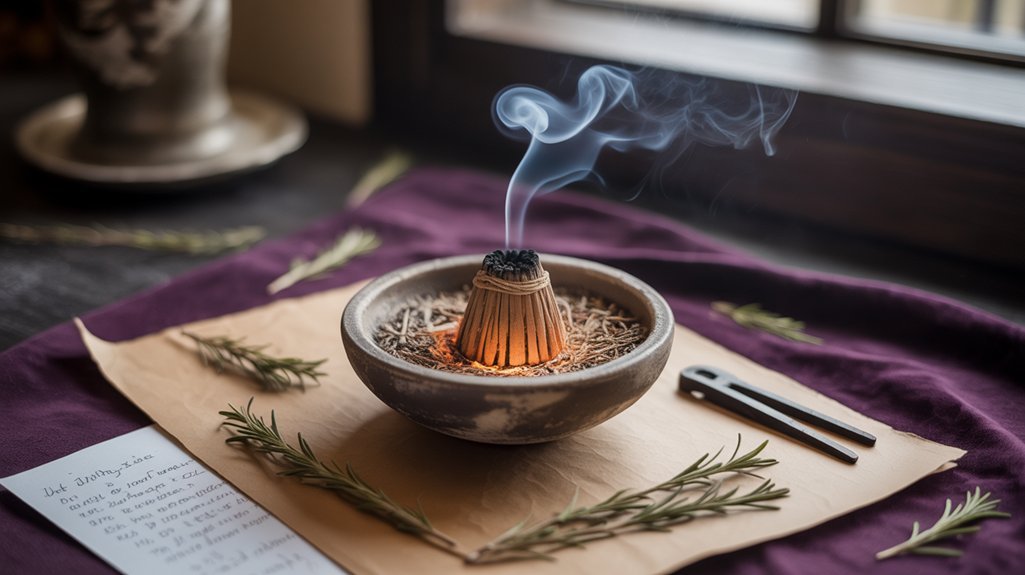
With a solid grasp of how different scents can enhance your well-being, the next step is to explore how to integrate these aromas into your daily routine.
What strategies can you use to maximize their benefits? By starting with brief sessions, you can fine-tune your experience and discover the subtle ways each scent influences your atmosphere and mindset.
What You Can Do
Once, I remember feeling a bit overwhelmed when I first tried to make my own incense. It seemed like a daunting task. But trust me, it’s simpler than it looks. Ready to dive in? Let’s break it down into five essential steps that’ll have you crafting your own natural incense tonight.
Start by gathering your materials. Cut your herb stems to about six inches long. Then, grind them into a fine powder. This step can be a bit messy, but it’s all part of the process. I learned the hard way that the finer the powder, the better your mixture will bind.
Next, mix your ground herbs with resins or essential oils in equal parts. This is where you can let your creativity shine. Add a binding agent like gum Arabic or marshmallow root powder to the mix. You’re aiming for a playdough-like consistency. Trust me, this is the fun part!
Now, let’s form your incense. Here are some methods I love:
- Roll it Up: Shape the mixture into little balls, or press it into molds for a more structured incense.
- Bundle It: Take fresh herbs and flowers, and bundle them tightly with cotton twine in a crisscross pattern. This old-school method feels so connected to tradition.
- Stick Incense: Roll the mixture into a rope and cut it into smaller pieces. Just remember, the thinner the stick, the faster it’ll burn.
Finally, it’s time to let your creations dry. Bundles can take up to three weeks, while cones and sticks usually need just a few days. I like to dry them in a cool, dark space. Patience is key here—some things take time to develop their full magic.
When you’re ready to use your incense, burn it on a heat-proof plate. This isn’t just about creating a lovely scent; it’s about smoke cleansing and protection. You might feel a shift in your space—ever experienced that?
Recommended for You
🛒 Incense Sticks Variety
As an Amazon Associate we earn from qualifying purchases.
Quick Tip: If you’re using essential oils, make sure they’re high quality and ethically sourced. And if you’re new to herbs, always check for any potential interactions with medications or health conditions. It’s a good habit to consult with a healthcare provider, especially if you’re pregnant or nursing.
What I wish someone told me when I started was to embrace the process, even the mess! It’s okay if things don’t turn out perfect. Each attempt teaches you something new.
What to Avoid
Crafting your own incense can be a beautiful journey, but I’ve learned a few lessons along the way that I wish someone had shared with me when I was starting out. Trust me, avoiding common pitfalls can make all the difference in both your experience and safety.
First off, when using powdered incense on charcoal, don’t go overboard. Start with small, pre-measured amounts. It’s tempting to pour it all on, but too much can lead to uneven burning and wasted materials. Remember, quality matters. I learned the hard way that cheap ingredients can release harmful chemicals. Seek out high-quality, natural materials, and you’ll notice the difference in your creations.
Have you ever felt that rush of excitement lighting your incense? It’s easy to get caught up in the moment. But take care not to hold it too close to burners or apply too much pressure when lighting. Start there. That’s enough.
Now, let’s talk about space. Burning incense in enclosed areas can trap harmful particulates and VOCs, which can be just as concerning as cigarette smoke. If you’re in a small room, limit your sessions to about 5-10 minutes. Open a window or use a fan to keep air flowing. It’s all about balance.
And please, stay away from flammable surfaces! Curtains, papers, and furniture can be deceptively close. Keep your incense away from alcohol and aerosols, too. Safety first, always.
Before you leave your space, make sure to extinguish your incense fully. I use sand, pressing the burning end in gently until there are no embers left. It’s a simple step, but it’s essential.
Ready to give it a try tonight? Gather your materials, and remember to keep things safe. And as you experiment, take your time. This isn’t a race. Each session is a chance to connect with tradition and your own intuition.
What I wish I’d known as a beginner is to really listen to my instincts. Sometimes, what works for others mightn’t resonate with you, and that’s perfectly valid. Enjoy the process, and allow your practice to evolve. Every step counts.
Comparison of Approaches
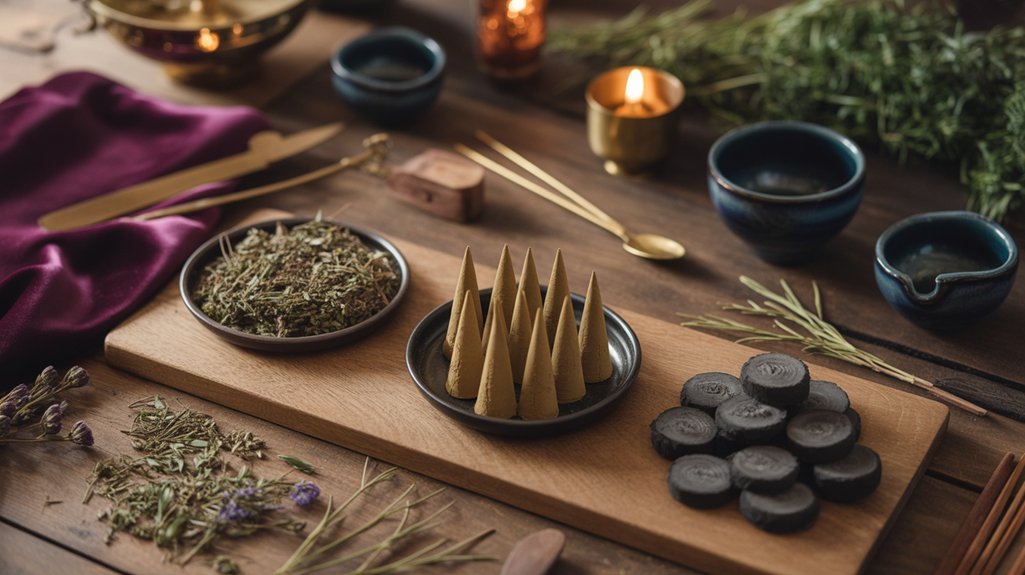
Whether you’re just starting out or have been practicing for a while, you might find yourself choosing between the earthy depth of natural incense and the sharp punch of chemical blends. Each has its place, but understanding the nuances can really enhance your experience.
Here’s a simple way to think about it:
| Approach | Burn Rate | Aroma Profile | Authenticity |
|---|---|---|---|
| Natural | Slower, sustained | Complex, earthy | Pure ingredients |
| Chemical | Faster, intense | Strong, synthetic | Lab-created |
When I first began, I was allured by the convenience of chemical incense. It’s quick, and frankly, it smells strong right off the bat. But there’s something magical about natural incense that you just can’t replicate. Ever felt that? It takes time and patience to work with natural ingredients—you’ll hand-roll blends of woods, resins, and makko powder. I remember the first time I sun-cured my own incense. It felt like a rite of passage. Start there.
In my practice, I learned that using genuine ingredients allows you to control the outcome. Choose sandalwood from specific regions, mix in a touch of star anise with clove, or select gum arabic or labdanum resin as binders. You’ll notice how makko enhances the fragrance instead of masking it. It’s a subtle yet profound difference.
Now, chemical blends are great if you’re short on time, but they often lack that deep, engaging quality that natural incense brings. If you’re looking for something transformative, that ritualistic engagement is key.
Ready to try? Here’s a practical step: Gather your materials for a simple natural incense. You’ll need some makko powder, a soft wood like sandalwood, and any aromatic herbs or spices you like. Mix them together, add a little water, and roll them into small sticks. Let them dry in the sun. It’s that easy!
But, I wish someone had told me about the importance of sourcing my materials ethically. Always check where your herbs and woods come from. Sustainable practices matter—not just for the planet, but for the authenticity of your practice.
As you dive into this, remember: safety first. If you’re using candles, always place them in fire-safe containers and never leave them unattended. And if you’re thinking about ingesting any herbs, consult a healthcare provider first. Trust me, some combinations can be tricky.
After years of working with these materials, I’ve come to appreciate the stories they carry. Each ingredient has its own history, and that connection can deepen your practice.
What I wish I’d known as a beginner is that the journey with incense isn’t just about the end result. It’s about the process—taking time to honor each step.
Key Takeaways
As I sat in my small kitchen, surrounded by jars of dried herbs, I couldn’t help but think back to when I first started crafting incense. I made so many mistakes, and honestly, it felt overwhelming at times. But now, after years of practice, I’ve found joy in creating blends that resonate with my intentions.
Have you ever felt that spark of inspiration, wondering how to bring your own goals to life through herbs?
Here’s a simple takeaway: Start by customizing your formulas**. Pair herbs that resonate with your intentions. For instance, rosemary and cedarwood can sharpen your mental clarity, while lavender and frankincense may cradle you in deep relaxation** and spiritual grounding. Trust your intuition—what feels right for you?
Layering benefits is another key aspect. Think about ingredients that can work together. Thyme, for example, isn’t just about flavor; it’s traditionally associated with immunity and purification. Why not use it for both?
You might be wondering about ratios and drying techniques. I learned this the hard way: it’s all about experimentation. Start with small amounts and adjust based on what you like. Maybe you prefer a stronger scent or a gentler aroma. That’s enough—allow yourself the space to discover your signature blends.
If you’re ready to dive deeper, think about how you can blend ancient wisdom with modern wellness. Your garden herbs have incredible potential. Remember, though, to source ethically. Look for sustainably harvested herbs, and if you’re using crystals, ensure they’re mined responsibly.
Take a moment: What herbs do you already have at home? Consider how they might work together in your next blend.
One thing I wish someone had told me when I began is to embrace the process—there’s no rush. Mistakes are part of the journey. Some practitioners might say you need to follow strict guidelines, but there’s beauty in personal interpretation.
Before you start crafting, let’s cover a few safety tips. If you’re using candles, always place them in fire-safe containers and never leave them unattended.
And if you’re thinking about ingesting any herbs, consult with a healthcare provider first.
Now, let’s talk about a practical step you can take tonight: Gather three herbs you resonate with. It could be anything—lavender, sage, or even something from your spice rack. Mix them together in a small bowl, and as you do, set a clear intention for your blend.
Remember, this won’t work for everyone right away. Be patient—results can vary. But trust that with time and practice, you’ll find what truly resonates with you.
What’s the first blend you’re excited to try? I can’t wait to hear about your journey!
Frequently Asked Questions
How Long Does Homemade Herbal Incense Last Before Losing Potency?
Q: How long does homemade herbal incense last before losing potency?
A: Homemade masala incense can last 2–5+ years if stored in airtight containers, away from heat and sunlight.
To help maintain potency, keep your incense in a cool, dark place.
Remember, natural blends age gradually, often improving their fragrance.
Always make sure to store them safely to avoid fire hazards, especially if you have children or pets around.
Can I Sell My Handmade Natural Incense, and What Are Legal Requirements?
Q: Can I sell my handmade natural incense?
Yes, you can sell handmade incense, but you’ll need to follow some legal steps. Start by obtaining a general business license, a sales tax permit, and an EIN from the IRS.
Check with your local county clerk’s office for specific regulations. Most places focus on business compliance rather than product-specific licenses.
Q: What legal requirements should I know about?
You’ll need a few essential licenses to start selling. Make sure to get a general business license, a sales tax permit, and an EIN from the IRS.
Always check local regulations for any additional requirements. This keeps your business safe and compliant.
Q: Are there any safety concerns with selling incense?
Yes, safety is important. Be cautious with fire hazards when burning incense.
Always provide clear instructions for safe use to your customers. If you’re using essential oils or herbs, check for any contraindications, especially for pregnant women or individuals with health concerns.
Q: Can I use traditional recipes or methods from specific cultures?
Yes, but it’s essential to respect those traditions. Learn from practitioners within those cultures to ensure authenticity and respect.
This not only honors the origins but also enriches your offerings. Remember, some practices may be closed or sacred, so be mindful of their significance.
Which Herbs Are Toxic to Burn and Should Be Avoided Completely?
Q: Can I burn foxglove?
No, you should avoid burning foxglove. It’s cardiotoxic when heated, which can be dangerous.
Instead, focus on safe herbs like rosemary or lavender. Always research the safety of herbs before using them in any form.
Q: Is oleander safe to burn?
No, oleander isn’t safe to burn. It’s highly toxic and can be harmful when inhaled.
Stick to culinary herbs for burning, and always prioritize your safety by researching each plant’s properties.
Q: What about yew?
No, yew should be avoided as well. It’s also cardiotoxic when burned.
Choose safer options like sage or thyme, and remember to familiarize yourself with the herbs you plan to use.
Q: Can I burn eucalyptus?
You can burn eucalyptus, but avoid excessive amounts as it can irritate your respiratory system.
Use it sparingly for a pleasant aroma, and ensure you’re in a well-ventilated space.
Q: Is hemlock safe to burn?
No, hemlock isn’t safe to burn at all. It’s toxic even in small amounts, so it’s best to steer clear of it.
Focus on herbs that are known to be safe and beneficial for burning.
Q: Can I burn treated wood?
No, you shouldn’t burn treated wood. It can release harmful chemicals into the air.
Instead, use untreated, natural materials for your fires and always prioritize safety and environmental concerns.
Q: What herbs are safe to burn?
Yes, culinary herbs like rosemary, lavender, and sage are safe to burn.
They’re not only pleasant but also promote a calming atmosphere. Always ensure you understand the properties of any herb you choose to use.
What’s the Best Storage Method for Dried Herbs and Finished Incense?
FAQ: Best Storage Method for Dried Herbs and Finished Incense
Q: How should I store my dried herbs and finished incense?
Yes, storing them in airtight amber glass jars is the best method. Fill the jars to minimize air exposure, and keep them in cool, dark places. Label each jar with dates and names to track freshness. This way, your blends can stay potent for up to two years.
Q: Why do I need to use amber glass jars?
Amber glass jars protect herbs from light, which can degrade their quality. Using these jars ensures that your herbs retain their flavor and aromatic oils.
Remember to handle the jars carefully to avoid breakage, and always store them out of direct sunlight.
Q: Can I use plastic containers for storage?
No, plastic containers can allow air in and may leach chemicals over time. Stick with glass jars for the best preservation.
If you choose to use plastic, ensure they’re food-grade and keep them in a cool, dark place to prolong the herbs’ life.
Q: How long can I keep my herbs and incense stored?
You can preserve your herbs and incense for up to two years when stored properly.
Always check for signs of degradation, like changes in color or scent. If you’re unsure, consult a knowledgeable practitioner to assess their quality.
Q: Are there any safety concerns I should know about?
Yes, be cautious with herbs that may have contraindications, especially if you’re pregnant or have health concerns.
Always consult a healthcare provider before using new herbs or incense, especially if you’re considering ingestion or topical application.
How Do I Make Incense Sticks Versus Cones From Garden Herbs?
Q: How do I make incense sticks from garden herbs?
Yes, you can make incense sticks by rolling your herb mixture into thin 3-4 inch cylinders. Aim for uniform thickness to ensure even burning.
Don’t forget to add a binding agent like gum arabic for cohesion. Once shaped, dry them on racks for 24 hours to several days until completely hardened.
Q: What’s the best way to create incense cones?
You can form incense cones by hand-molding your mixture into pyramid shapes, using about a quarter teaspoon per cone.
Like with sticks, include gum arabic for binding. After shaping, let them dry on racks for 24 hours to several days. This will help prevent shrinkage during the drying process.
Q: Are there any safety concerns with making incense?
Yes, always ensure you’re working in a well-ventilated area when making incense, especially if you’re using oils or potent herbs.
Some herbs can be irritating or harmful if inhaled in large quantities. If you’re pregnant or have health concerns, consult a healthcare provider before using certain ingredients.
Conclusion
Embracing the art of incense-making can deepen your connection to nature and enhance your spiritual practice. Tonight, gather a few herbs from your garden—perhaps lavender, rosemary, or sage. Blend them together with a mortar and pestle, holding the intention of relaxation. Once you’ve crafted your mix, take a moment to light a small piece of charcoal in a fire-safe dish, sprinkle your herb blend on top, and let the fragrant smoke fill your space. Sit quietly for 5 minutes, breathing deeply and allowing the scent to wash over you. Trust the process. Start there. You’re nurturing a beautiful tradition that nourishes both body and soul.
Amazon and the Amazon logo are trademarks of Amazon.com, Inc, or its affiliates.
Continue Your Magical Journey
Free Witchcraft Starter Kit
Get 6 free printable PDFs: grimoire pages, moon calendar, spells, crystals, herbs, and tarot journal.
We respect your privacy. Unsubscribe anytime.
Enhance Your Practice
As an Amazon Associate, I earn from qualifying purchases.