

Here's something most beginner guides skip: the witch who taught thousands of people to smudge their first apartment probably didn't use white sage at all. Cassandra, a reader who emailed us after her first ritual went sideways, used a wooden spoon, a bowl of salt water, and her grandmother's soup pot lid as a makeshift bell. It worked. Not because the tools were fancy, but because she understood what a cleansing ritual actually does and why the intention behind the item matters more than the price tag on it. That's the whole secret, and it's one nobody tells you when you're standing in a metaphysical shop staring at a $35 bundle of palo santo you can't quite justify buying yet.
11 min read
In This Article
- What Is a Cleansing Ritual, Really?
- Why This Practice Matters, Even If You're Not Sure You Believe It Yet
- Before You Start: Prerequisites and Setting Your Timing
- Step-by-Step: Building Your First Cleansing Ritual
- Your Household Altar: Supplies and Budget Swaps
- Common Mistakes First-Timers Make
- What Comes Next: Deepening Your Practice
- Frequently Asked Questions
Key Takeaways
- What Is a Cleansing Ritual, Really?
- Why This Practice Matters, Even If You're Not Sure You Believe It Yet
- Before You Start: Prerequisites and Setting Your Timing
- Step-by-Step: Building Your First Cleansing Ritual
What Is a Cleansing Ritual, Really?
A cleansing ritual is a deliberate act, usually involving a few physical steps, meant to shift the energy of a space, object, or person. It's not magic in the Hollywood sense of sparks and spells reversing curses. Think of it more like emotional spring cleaning with symbolic tools standing in for what you can't touch directly, like stagnant feelings, lingering tension after an argument, or the general heaviness that builds up in a room where you've been sick or stressed for weeks.
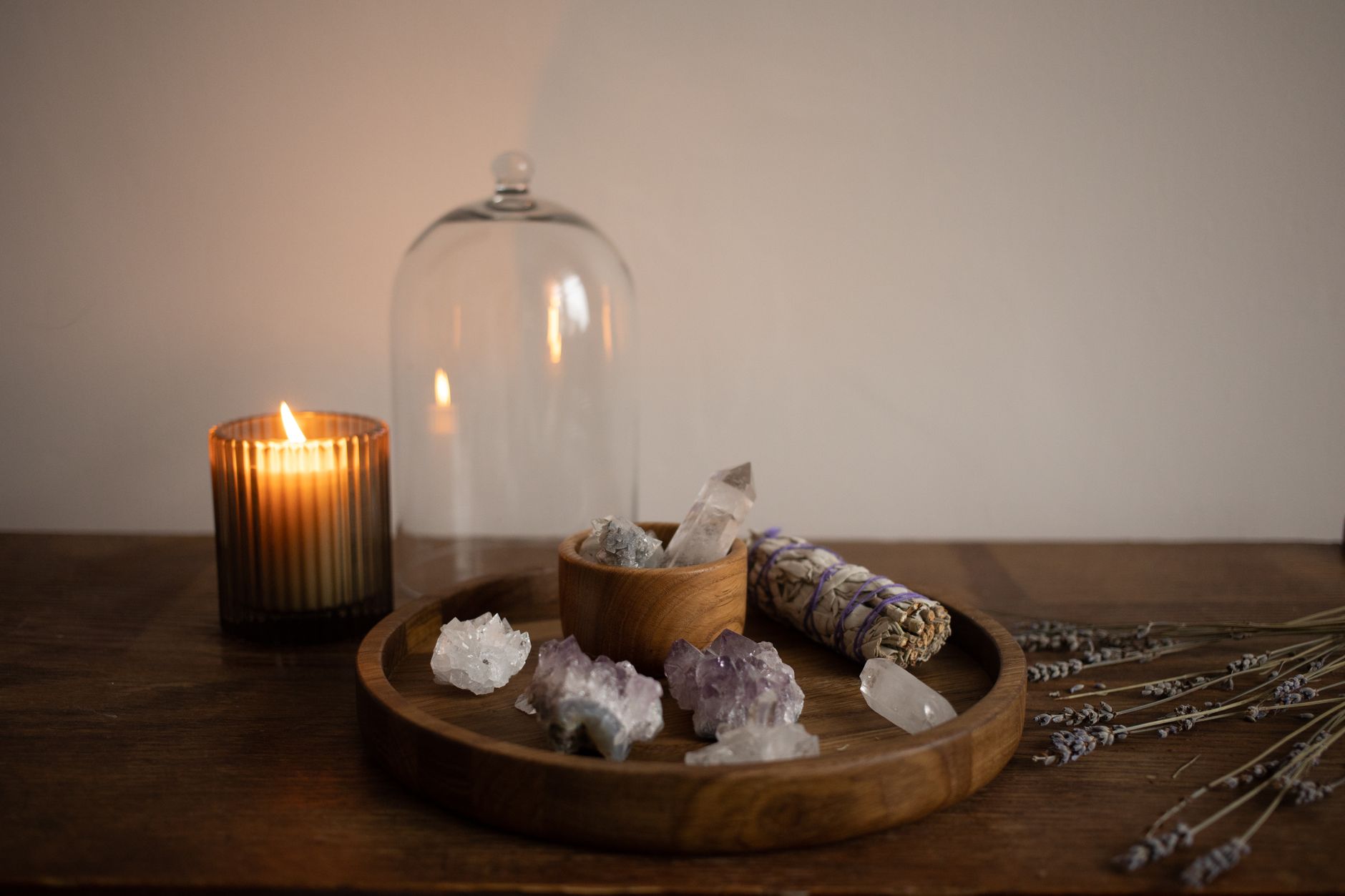
Traditions across the world have some version of this practice. Many Indigenous cultures in the Americas use smoke from specific plants in ceremonies that are closed practices, meaning they belong to those communities and aren't open for outsiders to borrow. European folk magic traditions, which this blog draws from more directly, used besom brooms to symbolically sweep a threshold, bells and clapping to break up stagnant air, and salt water as a purifying agent long before anyone called it “cleansing” at all. Scottish and English hearth traditions treated the broom behind the door as protection, not decoration.
What we're teaching here sits inside that European folk-magic lineage, adapted for a modern apartment with no fireplace and possibly a smoke detector you'd rather not test. You don't need a closed or sacred tradition's tools to do this well. A kitchen broom, a bowl, and a bit of intention will do the actual work.
A kitchen broom, a bowl, and a bit of intention will do the actual work.
Why This Practice Matters, Even If You're Not Sure You Believe It Yet
Skepticism is allowed here. You don't have to believe in literal spiritual energy for a cleansing ritual to do something real. Psychologically, ritual behavior has a documented calming effect, the repetitive, structured nature of it activates a sense of control during moments that otherwise feel chaotic. That's part of why grief rituals, bedtime routines, and even sports pregame rituals exist across every human culture we know of.

Practically, a cleansing ritual also forces you to physically engage with your space. You'll likely open a window, sweep a corner you've been avoiding, or finally take out trash that's been sitting for a week. The ritual gives you a reason to do the mundane tasks your nervous system has been resisting. That overlap between symbolic and literal cleaning is not an accident. Most historical cleansing practices were tied directly to seasonal deep cleans, like spring housecleaning before Passover or the Japanese tradition of ōsōji before the new year.
There's also a timing element worth understanding before you start. Many practitioners perform cleansing rituals during a waning moon, the two weeks between full moon and new moon, because that phase is traditionally associated with release and letting go. A new moon, by contrast, is more often used for setting intentions rather than clearing them out. Neither phase is required for your ritual to “work,” but if you want to align with lunar timing, check a moon phase guide before picking your date.
Before You Start: Prerequisites and Setting Your Timing
You need four things before this ritual will go smoothly, and skipping any of them is the number one reason beginner rituals feel awkward or fizzle out halfway through. First, pick a space you can be alone in, uninterrupted, for roughly 20 to 30 minutes. Second, open a window or crack a door for airflow if you're using any smoke or strong scent. Third, have your supplies physically gathered and within reach before you begin, not half-assembled while you're already in ritual headspace. Fourth, know your intention in one sentence before you light anything.
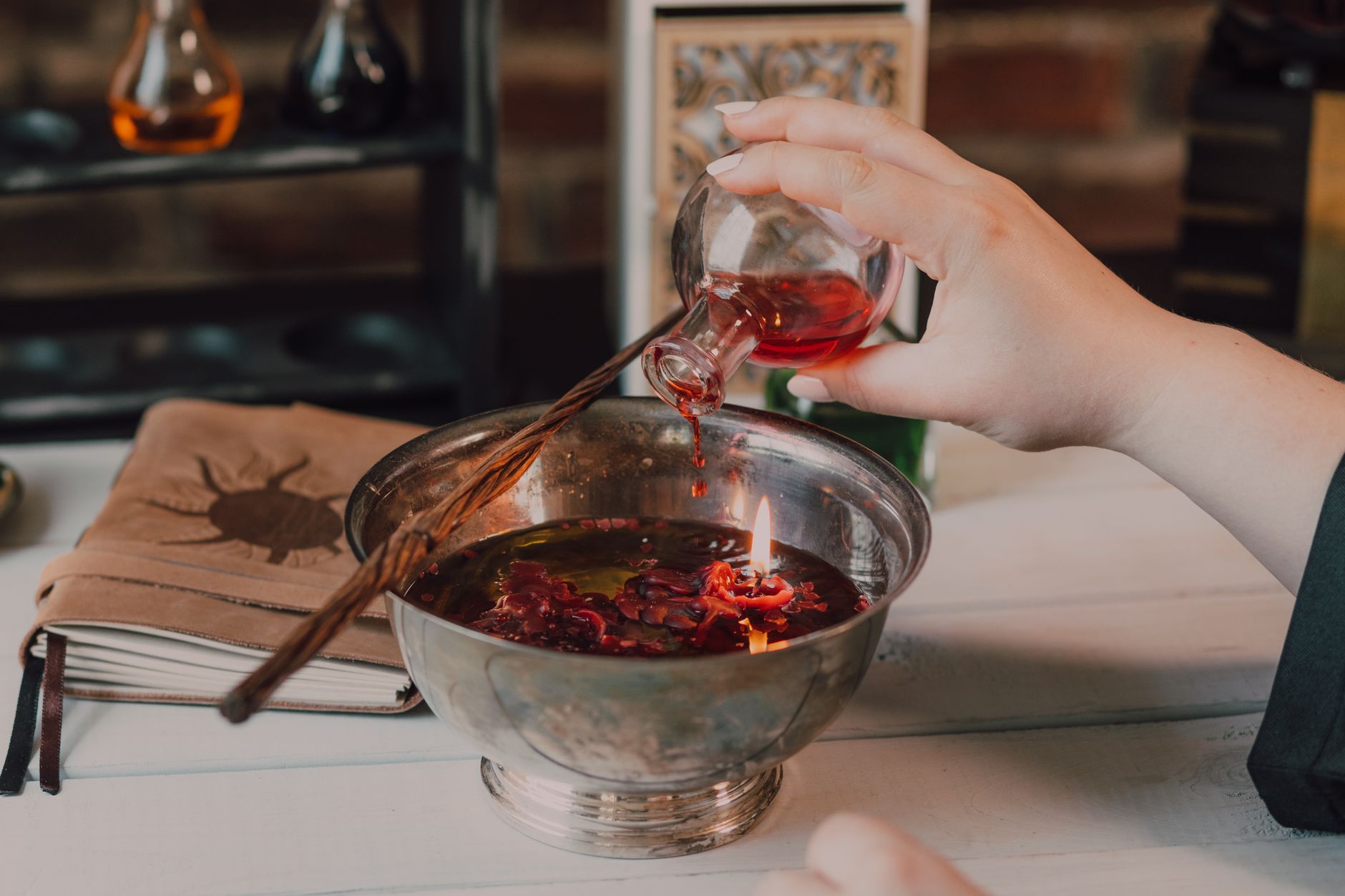
That intention sentence matters more than people expect. “I want to clear stagnant energy after my breakup” is a workable intention. “I want to cleanse my space” is too vague to give the ritual any direction, and vague intentions tend to produce vague, unsatisfying results. Write your sentence down. Keep it on a sticky note or an index card nearby.
On timing: if you're working with lunar phases, a waning moon is the traditional choice for this kind of release-focused work, and the days right before a new moon are considered especially potent for clearing. If your calendar doesn't line up with a waning moon this week, don't wait a month. A cleansing ritual performed with clear intention on a random Tuesday still counts. The moon is a helpful accent, not a gatekeeper.
The moon is a helpful accent, not a gatekeeper.
Step-by-Step: Building Your First Cleansing Ritual
Here's the worked example we promised. Picture Maya, three weeks into her first solo apartment after a rough breakup, standing in her kitchen with twenty minutes before she has to leave for work. She has a broom, a ceramic bowl, kosher salt, tap water, a candle from a drawer, and a metal spoon. That's genuinely all she needs.
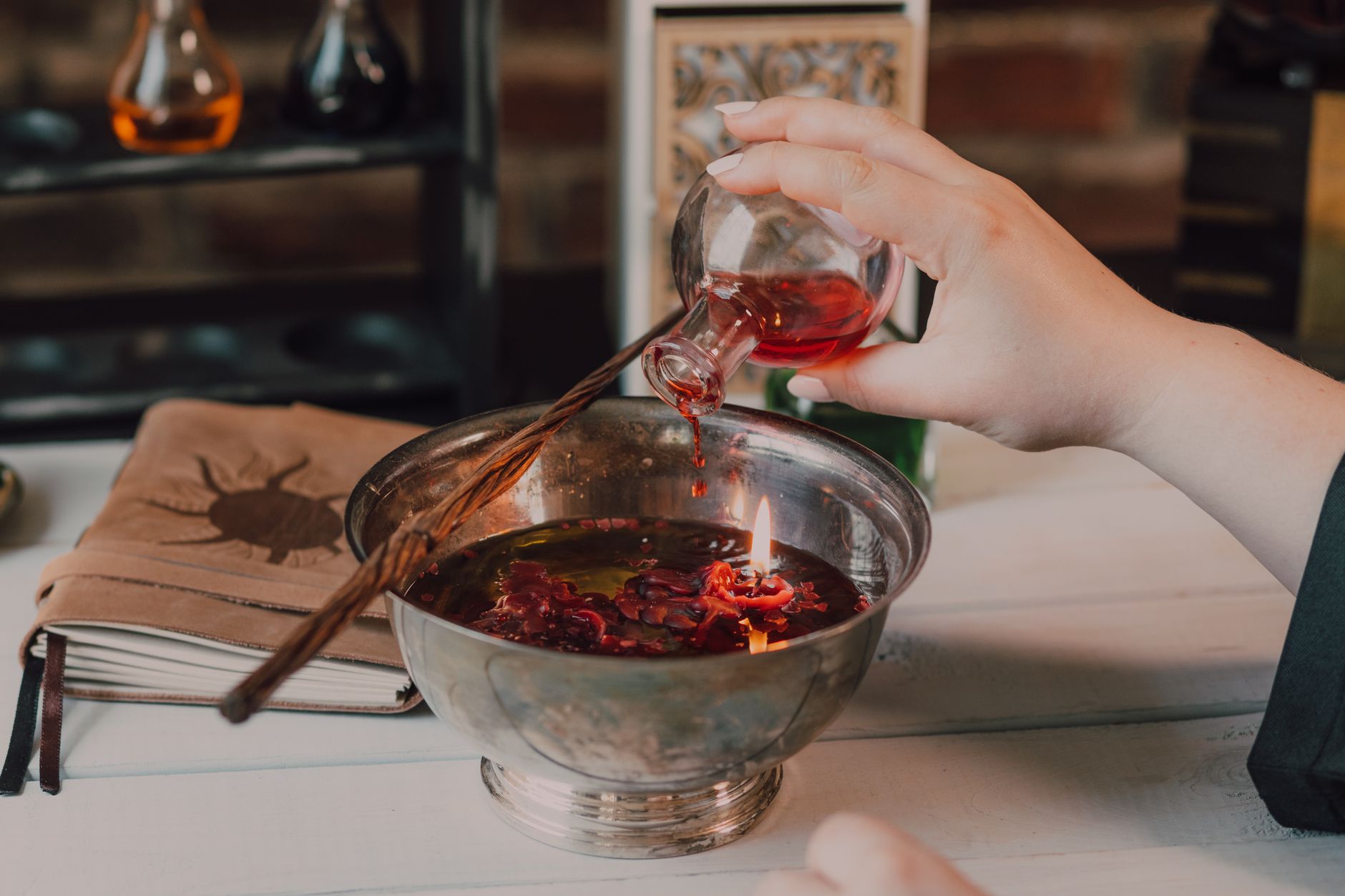
Step 1: Clear the Physical Space First
Before any symbolic work, do a five-minute physical tidy of the room. Pick up stray items, open curtains, wipe one visibly dirty surface. This isn't optional. Energetic cleansing on top of physical clutter is like spraying air freshener over an overflowing trash can. Maya's checkpoint here: the room should look noticeably different from how it did five minutes ago, even if it's not spotless.
Step 2: Mix Your Cleansing Water
In your bowl, combine about a cup of water with a tablespoon of salt, stirring clockwise while you think about your intention sentence. Salt has been used as a purifying substance in folk traditions from Japan to Scotland to the Mediterranean for centuries, largely because it's a literal preservative and disinfectant, which made it feel symbolically “cleansing” to people long before germ theory existed. If you don't have salt, a splash of white vinegar or even plain water works as a budget swap. Dip your fingers in and flick a few drops toward the corners of the room, saying your intention sentence out loud.
Step 3: Introduce Sound to Break Up Stagnant Air
Walk the perimeter of the room clapping, tapping a wooden spoon against a pot, or ringing a small bell if you have one. This step replaces smoke cleansing for people who are sensitive to smoke, live with roommates who object, or simply don't have access to sage or palo santo, both of which have become harder and more expensive to source ethically as wild harvesting has increased demand. Sound-based clearing has its own folk lineage too, church bells were historically rung during storms partly out of a belief that sound disrupted malevolent forces. Maya's checkpoint: she should notice the room feels different, maybe quieter in a new way, once she's gone around it once.
Step 4: Light a Candle to Seal the Intention
Any candle works, a birthday candle, a tealight, a dollar-store taper. Light it with focus, holding the weight of it in your hand for a moment before you strike the match, and state your intention one final time as you set it down somewhere safe to burn. Never leave an open flame unattended, and keep it away from curtains, papers, and anything flammable. If an open flame isn't an option in your space, a battery-operated LED candle is a completely valid recovery step, the ritual's power lives in your intention and attention, not in the literal combustion.
Step 5: Ground and Close
Sit for a minute. Breathe. Thank the space, out loud or silently, for the shift you just created. This closing step is the one beginners skip most often because it feels like nothing is happening, but it's what signals to your own nervous system that the ritual is complete rather than left hanging.
Final Check
How do you know it worked? Journal one sentence right after: does the room feel lighter, does your chest feel less tight, is there a sense of “that's done” instead of “I guess I'm finished”? If nothing feels different, that's useful information too, not a failure. Repeat the ritual in a few days, or adjust which senses you're engaging — maybe add scent next time if you only used sound this time.
Your Household Altar: Supplies and Budget Swaps
You don't need to spend money to do this well. Below is what we'd actually gather, with the traditional “shop” version and the budget swap sitting side by side.
- Salt: table salt or kosher salt from your pantry works exactly as well as “ritual salt” sold for $8 online.
- Smoke alternative: a bell, two pot lids, or clapping instead of white sage, which has also become ecologically strained from overharvesting according to several herbalist conservation groups tracking wild sage populations in the American Southwest.
- Candle: any candle you own, or an LED tealight if open flame isn't safe in your home. You never need a carved $12 “intention candle.”
- Bowl: a cereal bowl, a mug, anything that holds water without leaking.
- Broom: your actual broom. A besom (the traditional witch's broom with twig bristles) is lovely but entirely decorative for this purpose.
- A cleansing stone: clear quartz or selenite, if you own one, can be set on a windowsill under moonlight overnight to recharge before use, a simple way to fold Crystals-care-basics”>crystal charging into your supply prep. If you don't own one, skip this entirely, it's an enhancement, not a requirement.
If you want a physical reminder of the steps so you're not checking your phone mid-ritual, print the sequence onto an index card beforehand. A printable spell card you can keep in a small box with your other supplies turns this into a repeatable practice rather than a one-time experiment.
A printable spell card you can keep in a small box with your other supplies turns this into a repeatable practice rather than a one-time experiment.
Common Mistakes First-Timers Make
The most frequent mistake is treating the ritual as a performance for an imagined audience rather than a private practice. You don't need perfect words, a special voice, or candles arranged symmetrically. Awkwardness is normal the first few times, and it fades with repetition, not with better props.
Fire safety gets overlooked more than it should. Never cleanse near curtains, paper clutter, or while distracted, and always have a way to extinguish a flame nearby, a small dish of sand or even a cup of water on standby costs nothing and prevents a real problem. If you have pets or small children in the home, keep candles and any essential oils completely out of reach, since oils like clove or cinnamon bark can irritate skin and some are genuinely toxic to cats specifically.
Herb sensitivity is the other overlooked risk. Smoke from any dried herb, sage included, can trigger asthma or migraines in sensitive people, and strong essential oils can cause skin reactions if applied undiluted. If you or anyone in your household has respiratory issues, the sound-and-salt-water method above is not a lesser version of cleansing. It's simply the better-suited version for your situation.
What Comes Next: Deepening Your Practice
Once you've done this a few times, you'll start noticing which steps you actually look forward to and which felt like busywork. That's useful. Some practitioners drop the candle step entirely and focus on sound and water. Others add a specific herb, like dried rosemary or bay leaf, once they've researched it and feel confident using it safely.
From here, a natural next step is building a small, dedicated altar space, even a single shelf, where your cleansing supplies live permanently rather than getting pulled from random drawers each time. Our altar setup guide for beginners walks through that process without requiring you to buy anything new. You might also look into tarot as a way to check in on what needs clearing before you start, pulling a single card to identify what you're actually releasing can sharpen your intention sentence considerably.
If you'd like to tie future rituals to the lunar calendar more intentionally, keep a simple log of the moon phase each time you cleanse and how the ritual felt. Over a few months you'll likely notice your own patterns, maybe waning moon rituals feel more effective for you, or maybe timing makes no noticeable difference at all. Either finding is valid, and tracking it yourself beats taking anyone else's word for it, including ours.
Deepen your practice, one ritual at a time
Join our circle for seasonal rituals, moon guides, and gentle prompts — sent with intention, never spam.
Frequently Asked Questions
Do I need to buy white sage or palo santo to do a real cleansing ritual?
No. Both are tied to Indigenous traditions that many practitioners treat as closed, and both have faced documented ecological strain from commercial overharvesting, particularly wild white sage in parts of California and palo santo from certain regions of South America. Sound, salt water, and candle flame accomplish the same symbolic goal within the European folk-magic lineage this guide draws from. If you're drawn to smoke specifically, rosemary or bay leaf, grown or bought cheaply at any grocery store, are widely used alternatives with their own long folk history as purifying herbs.
How do I know if my ritual actually worked?
There's no instrument that measures this, so trust your own felt sense rather than looking for external proof. Journal a single sentence right after the ritual describing how the space or your body feels compared to before. Many practitioners report a subjective sense of lightness or completion, but that's a reported experience, not a measurable one, and it's fine if your results vary from ritual to ritual. If nothing feels different, try adjusting one variable next time, like adding scent if you only used sound, rather than assuming the ritual failed outright.
Can I do a cleansing ritual if I don't believe in energy or spirits?
Yes, and plenty of practitioners approach this practice from a purely psychological or ritual-behavior angle rather than a spiritual one. The structured, repetitive nature of ritual has a documented calming effect independent of belief, similar to how a bedtime routine signals your body it's time to wind down regardless of what you believe about sleep science. You can perform every step in this guide as a mindfulness exercise with symbolic cleaning rather than a spiritual act, and it will still accomplish the practical goal of resetting a stressful space.
What if I don't have 20 minutes, can I shorten this ritual?
Absolutely, a shortened version still counts as a real ritual. Combine the salt water flick and the sound step into one pass around the room, skip the candle if lighting one isn't practical, and keep your intention sentence as the anchor. A three-minute version performed with focus beats a twenty-minute version performed while distracted and checking the clock. Consistency over time matters more than the length of any single session.
Three things to carry forward from this guide: gather supplies you already own before you worry about buying anything, write your intention as a single clear sentence before you begin, and treat the closing moment of grounding as a required step rather than an optional afterthought. Maya's kitchen-table version with a spoon and a soup bowl worked because every one of those pieces was intentional, not because any item was special on its own. Our recommendation for your very first attempt: skip the shopping list entirely, use what's in your kitchen tonight, and save the candle-and-crystal version for once you know this practice actually suits you.
{“@context”: “https://schema.org”, “@type”: “Article”, “headline”: “A Step-by-Step 2026 Guide for Designing Your First Personal Cleansing Ritual with Household Items.”, “description”: “Learn to design a safe, effective cleansing ritual using household items like salt, a broom, and candles, no special supplies required.”, “wordCount”: 2631, “timeRequired”: “PT11M”, “author”: {“@type”: “Organization”, “name”: “witchcraftforbeginners”}, “publisher”: {“@type”: “Organization”, “name”: “witchcraftforbeginners”}}
{“@context”: “https://schema.org”, “@type”: “BreadcrumbList”, “itemListElement”: [{“@type”: “ListItem”, “position”: 1, “name”: “Home”, “item”: “https://witchcraftforbeginners.com/”}, {“@type”: “ListItem”, “position”: 2, “name”: “Spiritual”, “item”: “https://witchcraftforbeginners.com/category/spiritual/”}]}
Related from our network
- Ancient Cleansing Rituals to Remove Negative Energy From Your Home (mythicalarchives)
- 10 Tiny Morning Rituals That Transformed Our Family”s Peace in Just 7 Days (familyflourish)
- Luxury Bath Ritual Routines for Beginners: Create Your Weekly Spa Experience (herluxerituals)
Keep reading
Join The Mystic Circle
Weekly spells, moon rituals & magickal wisdom — plus free printable Book of Shadows pages.
Continue Your Magical Journey
Enhance Your Practice
As an Amazon Associate, I earn from qualifying purchases.
Everything a Witch Needs, in One Living Grimoire
941 pages across 5 volumes and 6 bonus guides — foundations, herbalism, tarot, crystals, 26 traditions, a fillable Book of Shadows, and a seasonal companion. The last witchcraft resource you'll ever need.
Related from our network
- Ancient Cleansing Rituals to Remove Negative Energy From Your Home (60% match)
- Best Bath Ritual Products Review (57% match)
- Best Bath Ritual Products Review (57% match)
🌙 Get a Free AI Tarot Reading
Luna reads the cards just for you — powered by AI, guided by the stars. No account needed.
Draw Your Cards Now ✨Powered by Luna's Circle — AI Spiritual Guidance
Your Free Moon Ritual Calendar
24 rituals for every new and full moon of 2026, plus sabbat celebrations, moon water guide, and monthly crystal & herb correspondences.
Get the Moon CalendarAlso: Free Spellbook