


As an Amazon Associate I earn from qualifying purchases.
Have you ever felt that rush of excitement when you finally find the perfect herb for your ritual, only to realize you have no idea how to prepare it? Trust me, I’ve been there. Tonight, I’m going to guide you through creating herbal tinctures for magical purposes, a simple yet powerful practice. You’ll learn how to select the right herbs and alcohol, and why patience is key in this process. After 10 years of practice, I can tell you: the extraction process is where the magic happens. Start there. You’re ready to make something special!
Key Takeaways
- Focus your intention while crafting tinctures to align the energy of your herbs with your desired outcomes, enhancing their magical effectiveness.
- Use 150+ proof alcohol for extraction; macerate herbs for 4-8 weeks or percolate for 1-2 weeks to maximize potency and benefits.
- Store tinctures in dark glass bottles in cool places, preserving their strength and extending shelf life for effective use over time.
- Consult a healthcare provider to understand potential herb-medication interactions, ensuring your safety and well-being before use.
- Start with easy-to-handle herbs like lavender or chamomile, creating one tincture at a time to build confidence and observe personal effects.
Introduction
Have you ever felt the allure of a simple bottle of herbal tincture? I remember my first encounter with one—it was like holding a little potion of possibility. You’re about to embark on a journey that blends ancient wisdom with modern understanding.
Herbal tinctures have captured our imagination for ages. They don’t hold supernatural powers, but they do offer results that can feel nothing short of miraculous, especially if you’re new to the world of plant chemistry. After years of working with these remedies, I can tell you: there’s a fascinating science behind every drop.
Herbal tinctures offer miraculous-feeling results grounded in plant chemistry—there’s fascinating science behind every drop.
What might’ve seemed magical was simply a deep understanding of plants and their properties. Women herbalists, often shunned or accused of witchcraft, created tinctures that addressed everything from fevers to digestive woes. Today, we can appreciate the bioactive compounds and extraction methods that make these remedies effective. The role of nature in modern witchcraft practices continues to influence how we view these herbal combinations.
Here’s something practical to try tonight: take a small jar, fill it with a fresh herb (like mint or chamomile), and cover it with high-proof alcohol. Let it steep for a few weeks, shaking it gently now and then. You’ll soon have a tincture to experiment with!
What I wish I’d known as a beginner is that starting small is key. You don’t need an elaborate setup or extensive knowledge. Trust the process and let your curiosity guide you.
As you explore, remember that every practitioner’s path is unique. This won’t work for everyone, and that’s okay. Some may find success with certain herbs while others may not feel the same results. Be patient—results vary based on individual body chemistry and context.
In my practice, I’ve learned to respect the traditional origins of these methods. If you’re drawn to a specific cultural practice, seek guidance from a practitioner within that tradition. This not only honors their knowledge but enriches your experience.
Now, let’s talk about safety. Always consult a healthcare provider before ingesting any herbal tinctures, especially if you’re pregnant or on medication. And remember, not all herbs are suitable for everyone.
Want a deeper connection? Consider the ethical sourcing of your materials. Look for sustainably harvested herbs and ethically mined crystals. This respect for nature not only enhances your practice but also aligns with the values of many traditions.
As you explore the chemistry behind these legends, you’ll discover how innovation in plant science can transform what once felt magical into a grounded wellness strategy.
The Problem
While the allure of herbal tinctures often lies in their natural appeal, it’s crucial to recognize the hidden dangers they pose.
So, what happens when the risks of interactions, impurities, and lack of regulation come into play?
These challenges highlight the urgent need for proper medical guidance when considering herbal remedies. Additionally, just as with crystals, understanding their purported healing properties can help users avoid potential pitfalls.
Why This Matters
Why This Matters
Ever felt that something’s missing from your wellness routine? I remember when I first started exploring herbal tinctures and how lost I felt in the sea of synthetic options. As modern medicine shifted its focus to pharmaceuticals, many of us lost touch with the power of herbal tinctures—those concentrated botanical solutions that can be gentler on the body.
You might be experiencing digestive sluggishness, wishing for those bitter herbs to stimulate your natural juices. Maybe your resilience to stress feels low without adaptogens like ashwagandha or skullcap. And what about your immunity? It’s likely not as robust without those plant-based compounds that have been used for centuries.
In my practice, I’ve seen how tinctures can serve as a bridge, connecting our physical bodies to a deeper sense of awareness. Here’s the good news: we’re seeing a revival of these age-old remedies, proving that small doses can deliver powerful benefits without the side effects of conventional drugs.
Try This Tonight: If you have access to a bitter herb tincture, take a dropperful before your next meal. Just a simple way to kick-start your digestive juices. Trust me, it can make a difference.
The Power of Tradition
What I wish I’d known as a beginner is that these tinctures aren’t just remedies; they’re part of a living tradition. Many come from cultures that have honed their practices over generations. If you’re drawn to a specific herb, take a moment to learn about its history and traditional uses.
Always remember: safety first. Check with a healthcare provider before trying new herbs, especially if you’re pregnant or on medication. Some herbs might interact with medications, and it’s best to be informed.
Learning from the Past
After years of working with these tinctures, I’ve learned that the connection they establish with our wellbeing is profound. Each drop carries the essence of the plant, ready to support you in ways you mightn’t expect.
Think about the adaptogens you might be missing. Ever tried ashwagandha or holy basil? They’ve been cherished for their ability to help the body adapt to stress. It’s not just hype; people have been using them for ages because they work.
Engagement Break: What’s your experience with herbs? Have you tried any tinctures? Share your thoughts!
Practical Guidance
When sourcing your herbs, aim for ethical options. Look for sustainably harvested plants or consider growing your own. It’s a rewarding practice that deepens your connection to the plant world.
Start small and build your knowledge. There’s no rush. Explore different traditions, be it Norse rune work, Wiccan sabbats, or eclectic practices. Each has its own wisdom to share.
Next Steps: If you’re intrigued, consider making a simple herbal infusion with dried herbs tonight. Just steep them in hot water for a few minutes and enjoy the warmth. It’s a grounding practice that helps you reconnect with nature’s offerings.
As you begin this journey, be patient. Results can vary, and not everything will resonate with everyone. That’s perfectly okay. It’s all part of your unique path.
Who It Affects
Who It Affects
Ever felt like you’re battling one cold after another, or that stress just won’t ease up? I remember those frustrating days. It can feel overwhelming when chronic inflammation limits your movement or digestive issues keep you from absorbing the nutrients you need.
If you’re struggling with cognitive fog, respiratory challenges, or anxiety that pulls your focus away, know that you’re not alone.
Herbal tinctures can be a lifeline. After years of working with these plant-based remedies, I’ve seen how they can directly address the gaps in our well-being. Many people, like you, are on a quest for alternatives that align with their wellness philosophy.
Maybe you’re looking to support your immune response, manage pain in a gentler way, or enhance your mental clarity.
Here’s a practical tip: Start by exploring a tincture that resonates with your current needs. Lavender, for instance, is often associated with calming effects. Try it out tonight—just a few drops in water can help ground you.
In my practice, I’ve learned this the hard way: it’s essential to trust your intuition. You might find that one tincture works wonders for you, while another doesn’t resonate at all.
Be patient—results vary from person to person, and that’s perfectly okay.
If you’re ready to dive deeper, consider this: millions seek healing in these natural forms, seeking to reclaim their health on their own terms. The right tincture can become more than a remedy; it can be a strategic tool in your wellness journey.
But remember, always consult a healthcare provider before starting any new herbal regimen, especially if you’re pregnant or on medications.
What I wish someone had told me as a beginner is this: there’s no rush. Take your time to explore, experiment, and find what works for you.
Start with one tincture, observe how it makes you feel, and adjust as needed.
Now, let’s talk about sourcing. Always choose ethically harvested herbs and tinctures. Sustainable practices not only honor the earth but also ensure quality in your remedies.
If you’re unsure, seek guidance from reputable practitioners or local herbalists who can offer insights into sourcing.
So, what’s your first step? Maybe it’s reaching for that tincture you’ve been curious about, or perhaps doing a little research on the traditions behind these herbal practices.
Trust the process, and remember: every small step counts.
The Explanation
As you explore the art of crafting herbal tinctures for magical purposes, you’ll quickly realize that understanding root causes and contributing factors is just the beginning.
So, how do these elements work in harmony to create the potency you desire? By examining the interplay of herb selection, alcohol concentration, and maceration duration, you’re setting the stage for deeper insights into aligning your tinctures with your magical intentions.
This foundation opens the door to more advanced techniques that can elevate your practice even further.
Root Causes
Herbal tinctures are like little time capsules of wisdom, distilled through generations of knowledge that monks and herbalists have honed. They turned simple plants into concentrated sources of healing and spiritual connection. Have you ever wondered how something so small can pack such a punch?
Here’s the deal: tinctures use a menstruum—like alcohol, glycerine, or vinegar—to extract the good stuff from herbs. This method pulls out alkaloids, vitamins, and minerals, holding the plant’s full essence. Unlike conventional pharmaceuticals that often rely on isolated compounds, tinctures offer the whole package. When you take a tincture, you’re not just getting a single ingredient; you’re benefiting from the synergy of the entire plant. Trust me, that synergy can make a real difference.
Ready to try it? Just a few drops can be more effective than spoonfuls of other remedies. It’s all about that concentrated goodness.
In my practice, I learned this the hard way. I used to think more was better, but with tinctures, less truly is more. You don’t need to drown yourself in quantities. Start with just a few drops, and feel how quickly they’re absorbed. That’s enough.
When choosing your herbs, remember to source them responsibly. Look for sustainably harvested options and, if you’re curious about specific traditions, seek guidance from practitioners within those communities. For example, some herbs might’ve historical ties to specific cultures, and it’s respectful to honor that.
Now, a quick note on safety: always check with a healthcare provider before trying any new herbal remedy, especially if you’re pregnant or on medication. Some herbs can interact with medications, and it’s crucial to be aware of that.
Ever felt that moment of connection when you first try a new herb? I remember the first time I used a tincture made from valerian root. It was like a warm hug for my nervous system.
If you’re just starting out, here’s a simple practice you can do tonight:
- Choose Your Herb: Start with something common, like chamomile for relaxation.
- Find a Quality Tincture: Look for one that’s ethically sourced.
- Take Your Drops: Start with 3-5 drops in water.
- Connect: As you take it, set an intention for what you want to invite into your life—calmness, peace, or clarity.
What I wish someone had told me back then is that it’s okay to experiment. Not every herb will resonate with you, and that’s perfectly valid. Be patient with yourself; results can vary.
Contributing Factors
The first time I made a tincture, I was so eager to see results that I overlooked some key steps. I learned the hard way that the potency of tinctures hinges on a few interconnected elements. If you’re just starting, let’s break it down together.
Here are a few essentials to keep in mind for creating effective tinctures:
- Menstruum selection—Have you considered what you’re using to extract the plant’s goodness? Alcohol, water, or glycerine each pull out different compounds. This choice will directly impact which alkaloids and active constituents you capture. Think about what you want from your tincture.
- Plant material quality—Fresh versus dried herbs can make a big difference in concentration. I always aim for the best quality I can find. Your tincture’s therapeutic potential is tied to the materials you start with. Trust me, it’s worth the effort.
- Extraction duration—How long are you letting your tinctures sit? Giving them enough time to infuse allows the solvents to dissolve those crucial compounds fully. I’ve found that patience really pays off here.
- Storage conditions—This one’s often overlooked. Keeping your tinctures in a cool, dark place can preserve their potency for months or even years. You don’t want all your hard work to go to waste!
By understanding how these factors influence what you extract, you’re not just following a recipe—you’re crafting something intentional, something that resonates with your goals. Ever felt that sense of purpose in your practice?
Try this tonight: Gather your materials and decide on your menstruum. Pay attention to the quality of your herbs and take a moment to think about what you want to create. Start there. You’re already on your way.
Remember, everyone’s journey is unique. This process won’t work the same for everyone, and that’s okay. Be patient with yourself—results can vary widely. Now, let’s dig deeper into each factor.
Engagement break: What’s your go-to herb for tinctures? I’d love to hear about your experiences or any questions you might have.
As I continued my journey, I became aware of the traditional practices surrounding tincture-making. Different cultures have their own wisdom, and it’s important to approach these traditions with respect.
If you’re leaning toward a specific cultural practice, consider reaching out to experienced practitioners in that tradition. They can offer guidance that’s often overlooked.
Also, always keep safety in mind. If you’re using herbs for ingestion, please consult with a healthcare provider, especially if you’re pregnant or on medication. We want to keep our practices safe and mindful.
When sourcing your materials, think ethically. Look for sustainably harvested herbs or ethically mined crystals. You’re part of a larger ecosystem, and your choices matter.
Next step: After you’ve chosen your herb and menstruum, let your tincture sit for at least two weeks. Shake it gently every few days to encourage the extraction.
What I wish I’d known as a beginner is that the waiting game is just as much a part of the process as the crafting itself.
I’m excited for you to dive into this practice. Your tincture is a reflection of your intentions and care. Trust the process, and enjoy the journey!
What the Research Says
Exploring the research on herbal tinctures reveals a blend of well-established benefits and areas still shrouded in uncertainty.
For instance, while elderberry, ashwagandha, and milk thistle consistently showcase positive effects, the effectiveness of feverfew for migraine prevention remains unproven.
With this understanding of both established benefits and ongoing debates, the question arises: how do you choose the right tinctures that resonate with your health goals?
Key Findings
As I reflect on my early days in herbal practice, I remember the excitement mixed with a bit of confusion. If you’ve ever felt that flutter of curiosity about plant-based remedies, you’re not alone. Here’s something practical you can try tonight: make your own tincture. It’s a simple process that captures the essence of the plants beautifully.
You might be surprised to learn that tinctures extract key constituents from herbs with remarkable efficiency. Research shows that using ethanol-water concentrations can successfully isolate alkaloids from plants like Passiflora and silymarin from Silybum seeds. These are the compounds often linked to therapeutic effects.
If you’ve ever struggled with stress or discomfort, you might find comfort in ashwagandha or ginger. In my practice, I’ve seen the benefits of these herbs firsthand. Ashwagandha is often noted for its ability to help with stress, while ginger and motherwort can offer some relief during menstrual cycles. Ever felt that? It’s empowering to know there’s support from nature for our everyday challenges.
Take a moment to think about how you connect with plants. Are there any particular herbs that resonate with you? This connection can guide you as you explore tinctures and other natural remedies.
How to Make a Simple Tincture Tonight
- Choose Your Herb: Start with something familiar, like ginger or a calming herb like chamomile. Make sure it’s sustainably sourced—ethical harvesting matters.
- Gather Your Ingredients: You’ll need your chosen herb, high-proof alcohol (like vodka), and a clean jar with a lid.
- Prep the Herb: Chop the herb finely to increase its surface area. This allows the alcohol to extract more of its properties.
- Mix: Fill your jar halfway with the chopped herb, then pour the alcohol over it until it’s completely covered. Seal the jar tightly.
- Store: Keep the jar in a dark, cool place for 4-6 weeks. Shake it gently every few days to encourage extraction.
- Strain & Store: After the steeping period, strain the mixture through a cheesecloth or fine mesh. Store your tincture in a dark glass bottle.
A Few Cautions
Remember, it’s essential to consult a healthcare provider before trying new herbs, especially if you’re pregnant or taking medications. Some herbs can interact with drugs, so it’s always good to be cautious.
What I wish someone had told me as a beginner is that this practice takes time. Results won’t be instant, and that’s okay. Trust the process, and be patient with yourself.
As you embark on this journey of making tinctures, keep in mind that every herb carries its own traditional wisdom. It’s about finding what resonates with you and respecting the cultures that share these practices.
Feel free to explore, experiment, and see how these plant allies can support you. It’s a beautiful way to connect with nature and your own wellness. Ready to give it a shot?
Where Experts Agree
Embracing Herbal Tinctures: A Journey Worth Taking
Have you ever felt overwhelmed by the vast world of herbal remedies? I remember those early days, flipping through books and wondering where to start. It can be confusing, but let’s take a moment to ground ourselves. Herbal tinctures can be a fantastic entry point into plant medicine. They’ve been used in traditional practices for centuries, and modern research is starting to back up what many practitioners have seen firsthand.
You might find it surprising that studies reveal extracts like dune wormwood are packed with antioxidants. Think about that for a moment—45 µg/mg DW of total phenolics! That’s impressive. And ginkgo? It’s shown potential benefits in memory and circulation. If you’re looking for something that’s easy to absorb, tinctures shine here too. They offer up to 98% bioavailability. That means your body can take in more of the good stuff compared to pills or powders.
Here’s a little exercise: why not try incorporating a tincture into your routine tonight? Just a few drops in water or tea can be a gentle start. Trust the process; you don’t have to rush into it.
In my practice, I’ve noticed that tinctures often resonate well with beginners. They’re straightforward to use, and you can easily adjust the dose. Just remember, it’s always smart to consult with a healthcare provider, especially if you’re pregnant or taking other medications.
Some folks might tell you that herbalism is all about mystical thinking. But here’s what I learned the hard way: it’s really about biochemistry and respecting the plants’ traditional uses. Each plant carries its own history and wisdom. For instance, ginkgo has been celebrated in traditional Chinese medicine for centuries, often linked to improving cognitive function and circulation.
Now, let’s pause for a moment. What’re your thoughts? Have you tried any herbal tinctures before?
When starting out, focus on sourcing your herbs ethically. Look for sustainably harvested plants or tinctures. This respect for the earth resonates deeply within many traditions. You want to ensure that the plants you’re working with aren’t endangered and are harvested responsibly.
A quick takeaway: start with one tincture that calls to you. Maybe it’s something like echinacea for immune support or valerian for relaxation. Try it for a week, and keep a little journal of your experiences. Notice how it feels in your body.
What I wish I’d known as a beginner is that patience is key. Results vary from person to person. Some tinctures might work wonders for you, while others may not resonate. And that’s completely okay.
Listen to your body’s responses and adjust as you go. Remember, this journey is about personal interpretation and connection. Take your time, explore, and trust in your own path. You’ve got this!
Where They Disagree
Where They Disagree
When I first started working with herbal tinctures, I remember feeling overwhelmed by the conflicting advice out there. It’s easy to get lost in the details, especially when it comes to the science behind them. Ever felt that?
One common debate is whether fresh or dried herbs make better extracts. In my practice, I’ve seen both work wonders, but it often comes down to the specific herb and your personal preference.
Extraction times can vary too, and that’s where things can get tricky. Some folks swear by longer extractions, while others find shorter methods yield a stronger taste or effect.
And let’s talk about alcohol concentrations. Some practitioners believe that higher percentages increase bioavailability, while others argue that lower concentrations help preserve delicate plant compounds. That’s enough to make your head spin!
What I wish someone had told me as a beginner is that it’s okay to experiment and see what feels right for you.
You’ll also notice a divide on the more “magical” uses of tinctures. Traditionalists often speak of their energetic properties, while more evidence-based practitioners tend to dismiss those ideas. This isn’t about right or wrong; it’s about what resonates with you. Trust the process.
Now, consider how long you store your tinctures. Some people say that potency can fade over time, while others believe that if stored correctly, tinctures can last. It’s a balancing act of personal experience and tradition.
Practical Steps to Tincture Making
Ready to try making your own tincture tonight? Here’s a simple step-by-step to get you started:
- Choose Your Herb: Start with something you feel drawn to. Lavender or chamomile are great for beginners.
- Gather Your Materials: You’ll need a clean glass jar, high-proof alcohol (like vodka), and your herb (fresh or dried).
- Combine: Fill your jar halfway with the herb, then pour the alcohol over it, covering the herb completely.
- Seal and Shake: Tightly seal your jar and give it a good shake.
- Let It Sit: Store it in a cool, dark place for 4-6 weeks, shaking it gently every few days.
- Strain: After the steeping time, strain the mixture through a fine mesh or cheesecloth into another clean jar.
You can use this tincture in small doses or even in homemade skincare products. Just remember, if you’re planning to ingest any herbs, it’s a good idea to consult a healthcare provider first. Safety always comes first.
Reflection
After years of working with tinctures, I’ve come to appreciate that there’s no one-size-fits-all approach. Some practitioners may disagree on techniques, and that’s perfectly valid.
Be patient—results vary, and that’s part of the journey.
What I encourage you to do is keep an open mind. Explore different methods, listen to your intuition, and don’t hesitate to ask for guidance from seasoned practitioners, especially when it comes to traditional practices.
As you embark on this path, remember to respect the origins of the herbs you use. Ethical sourcing matters! Look for sustainably harvested herbs and consider alternatives to endangered plants.
Now, gather your materials and get started. Trust yourself and enjoy the process!
Practical Implications
With that foundation in place, it’s crucial to emphasize safety as you embark on creating tinctures.
You’ll want to prioritize using high-proof alcohol (at least 150 proof) and be aware of the toxicity profiles of your chosen herbs. Open flames should be avoided, and once your preparations are complete, store them in dark glass containers, away from light and heat.
Remember to label everything clearly with herb names and dates for easy tracking.
The extraction method you select—be it maceration, percolation, or double extraction for mushrooms—will significantly influence potency, so aligning your technique with your specific herbs is essential.
As you explore these methods, consider incorporating simple yet powerful beginner witchcraft spells to enhance your magical intentions.
What happens when you start experimenting with these methods?
Recommended for You
🛒 Dried Herbs For Rituals
As an Amazon Associate we earn from qualifying purchases.
What You Can Do
Ever felt overwhelmed by the abundance of information out there about herbal tinctures? I remember when I first started; it was easy to get lost in the magical stories and forget about the practical side. The truth is, while there’s a lot of folklore around herbs, we need to focus on what’s backed by evidence—especially if you’re just starting out.
Here’s a practical takeaway: try creating a simple herbal tincture tonight. Start with a common herb like chamomile. All you need is dried chamomile, high-proof alcohol, and a glass jar. Combine them, let it steep for a few weeks, and you’ll have a calming tincture ready to use. Remember to label it clearly, and consult a healthcare provider if you’re on any medications or are pregnant.
Now, let’s explore some ways to deepen your understanding and practice:
- Study Traditional Herbalism: Understand the historical context of herbs. Each plant has a story that goes beyond what modern wellness narratives tell us. What I wish I’d known as a beginner is that connecting with these stories can deepen your relationship with the herbs.
- Personalized Protocols: Align your herbal use with your wellness goals. This doesn’t mean ignoring science; it means working within that framework. After years of working with various herbs, I’ve learned that each person’s journey is unique. Trust your intuition.
- Ethnobotanical Research: Look into how different cultures use plants. There’s so much wisdom in these practices. Just remember to approach them with respect and seek guidance from practitioners within those traditions when possible.
- Mindfulness Practices: Consider integrating mindfulness when you use your tinctures. Taking a moment to breathe deeply and set an intention can enhance your experience. I learned this the hard way—slowing down can really change the way you interact with your herbs.
Let’s pause for a moment—what resonates with you so far? Is there a particular herb you’re curious about?
Safety is key here. Always use fire-safe containers if you’re working with candles, and never leave them unattended. Also, be cautious with herbs for ingestion—consult your healthcare provider, especially if you’re pregnant or taking medications.
You’re not just following a recipe; you’re building a framework that blends traditional knowledge with your personal practice. This path isn’t about strict rules; it’s about exploration and connection.
As you begin this journey, remember: results can vary, and patience is essential. This won’t work for everyone, and that’s perfectly okay.
Ready for your next step? Choose an herb that calls to you, research its traditional uses, and think about how it aligns with your wellness goals. That’s enough for tonight. Trust the process, and let your practice unfold naturally.
What to Avoid
Before you dive into crafting your first tincture, let’s take a moment to reflect. Ever felt the excitement of exploring herbal remedies, only to be a bit overwhelmed by all the dos and don’ts? I remember that feeling well. It’s easy to get swept up in the magic of it all, but trust me, a few grounded precautions can make all the difference.
First things first: don’t exceed recommended dosages. I learned this the hard way—pushing limits can lead to unintended effects that aren’t just uncomfortable, but sometimes serious. If you find yourself feeling off, stop. That’s enough.
Next, let’s talk about the plants you choose. Stay away from toxic ones like ginkgo seeds, arnica, and high concentrations of goldenseal. These can pose real health risks, including seizures or even organ damage. It’s a steep price to pay for a lack of caution.
Also, think twice before combining tinctures with medications. Herbs can interact unexpectedly with heart drugs, blood thinners, and antidepressants. Always consult with a healthcare provider. That’s a step you won’t regret.
Now, here’s a tip I wish I’d known earlier: avoid long-term daily use of acute-use herbs like hops and ginger. They’re great for temporary relief but can lead to complications if used continuously. Your body appreciates variety—give it a chance to reset.
Before you start, take a moment to inspect your materials. Smell them, look for quality issues in packaging or appearance. If it doesn’t feel right, toss it. Your practice deserves to be nourishing, not risky.
Ready to try something tonight? Why not start with a simple infusion? Grab some dried herbs, boiling water, and a jar. Let your chosen herb steep for 10-15 minutes, and then enjoy a warm cup. It’s a gentle introduction that won’t overwhelm you.
As you step into this journey, remember: not everything you read will resonate with your experience. Be patient. Results vary, and that’s perfectly okay. Embrace your unique path, and don’t hesitate to seek guidance from seasoned practitioners, especially if you’re exploring closed traditions.
What I wish someone had told me when I started? This practice is as much about intuition as it’s about knowledge. Trust yourself. Start there. You’ve got this.
Comparison of Approaches
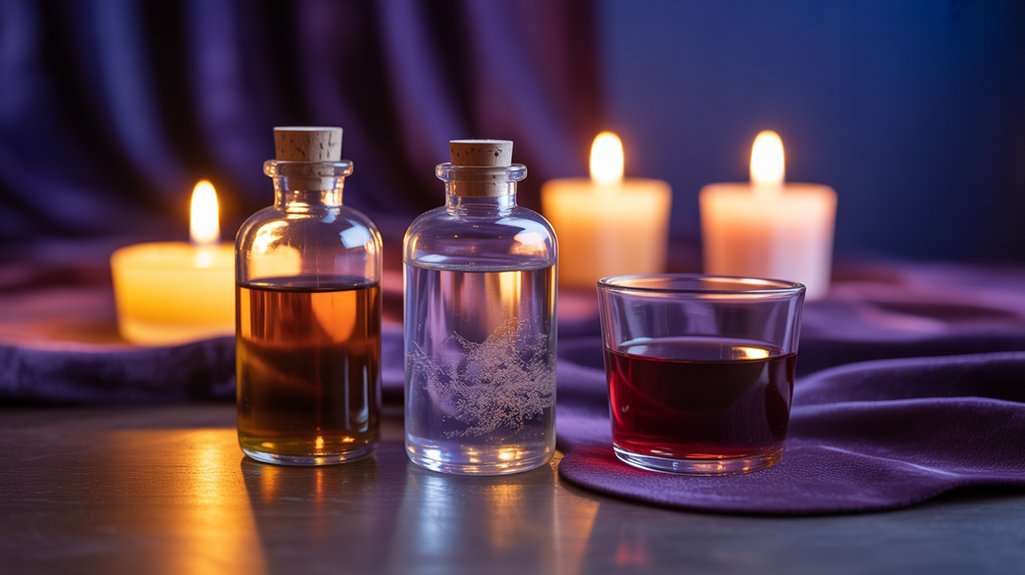
Choosing the right tincture method can feel overwhelming, especially when you’re just starting out. I remember my first attempts—so many herbs, so many options, and I often second-guessed myself. Here’s a simple takeaway: you can start experimenting with tinctures tonight! Just pick an herb that resonates with you and let’s explore how different methods can work for your magical intentions.
Each tincture method taps into unique compound profiles based on the properties of your chosen solvent and how you process the herbs. Here’s a quick breakdown to help you decide what fits your needs best:
| Method | Speed | Potency | Best For |
|---|---|---|---|
| Maceration | 4-8 weeks | Full-spectrum | Maximum versatility |
| Percolation | 1-2 weeks | High | Efficient extraction |
| Quick Wash | Minutes | Targeted | Delicate compounds |
| Spagyric | 8+ weeks | Elevated | Advanced practitioners |
Alcohol tinctures are often the strongest, drawing out resins and alkaloids crucial for potent workings. If you’re looking to avoid alcohol, options like vinegar and glycerin can still pack a punch. Just trust your intuition on what feels right for your practice.
Ever tried the spagyric method? It requires patience but can yield enhanced compounds. I learned this the hard way; the wait can be tough, but the results are worth it. Just remember, complexity in your magical intentions can guide your choice of extraction method.
As you embark on this journey, safety is key. Always use fire-safe containers for candles and never leave them unattended. If you’re working with herbs for ingestion, please consult a healthcare provider for any potential interactions, especially if you’re pregnant or on medication.
Now, let’s get personal. What I wish someone had told me as a beginner is to embrace experimentation. Not every method will work the same for everyone. That’s part of the process. Be patient—results vary, and that’s okay.
Ready to try? Here’s a simple step-by-step for maceration:
- Gather Your Materials: Choose a dried herb that speaks to you, some high-proof alcohol (like vodka), and a glass jar with a tight lid.
- Combine: Fill the jar halfway with the herb and then pour the alcohol over it until it’s fully submerged.
- Seal & Store: Close the jar tightly and store it in a cool, dark place. Let it sit for 4-8 weeks, shaking it gently every few days.
- Strain: After the waiting period, strain the mixture through a fine mesh or cheesecloth into a clean bottle. Label it with the date and herb name.
- Use with Intention: Use your tincture according to your magical purpose.
As you explore these methods, remember to source your materials ethically. Look for sustainably harvested herbs and ethical crystal mining practices. It’s a small step that makes a big difference.
Take a moment to reflect: what intention do you want to focus on with your tincture? Trust the process and enjoy the journey ahead.
Key Takeaways
Now, let’s get into what really matters for your herbal tincture practice. I remember the early days of my journey—excited but a bit lost. It’s easy to feel overwhelmed, but trust me, you’ve got this.
You’re ready to create your own potent extracts that connect ancient wisdom with modern needs. Here’s how to set yourself up for success:
- Choose your herbs wisely. Think about your intentions and what you want to achieve. This isn’t just about picking the most popular options; it’s about what resonates with you. Ever felt that tug toward a particular herb? Follow it.
- Optimize your extraction methods. You want to preserve the active compounds while making sure your body can absorb them well. I’ve learned this the hard way—some methods just don’t yield the best results.
- Create customized formulations. Mixing herbs can be a game-changer. Look for those that complement each other, addressing complex needs together. The right combination can amplify the benefits.
- Integrate tinctures into your daily rituals. Consistency is key. Just a drop or two can weave herbal magic into your everyday life. I find that small, intentional doses build a deeper connection over time.
This isn’t about simply following tradition; it’s about making it your own. You’re crafting personalized potions that speak to your unique experiences.
And let’s be honest—tinctures offer a level of precision and versatility that more conventional methods can’t match.
A word of caution: Always consult a healthcare provider before ingesting herbs, especially if you’re pregnant or taking medication. Safety first!
Now, let’s get practical. Here’s something you can try tonight:
DIY Herbal Tincture Steps
- Select Your Herb: Start with something accessible, like dried chamomile or rosemary. Both have their own traditional uses—calming, digestive aid, and more.
- Gather Your Supplies: You’ll need a clean glass jar, a high-proof alcohol (like vodka), and your chosen herb.
- Prepare the Herb: If you’re using dried herbs, roughly chop them to increase surface area. If fresh, make sure they’re clean and dry.
- Combine: Fill your jar about halfway with the herb, then cover it completely with alcohol. Leave a bit of space at the top.
- Seal and Store: Cap the jar tightly and store it in a cool, dark place. Shake it gently every few days.
- Strain: After 4-6 weeks, strain the liquid through a fine mesh or cheesecloth into another clean jar. Label it with the date and contents.
What I wish I’d known as a beginner? Take your time. Results vary, and patience is part of the process.
Your journey into tinctures isn’t just about making something to consume; it’s about connecting with the plants and your intentions.
Frequently Asked Questions
How Long Do Herbal Tinctures Remain Potent When Stored Properly?
Q: How long do herbal tinctures stay potent when stored properly?
A: Herbal tinctures can maintain their potency for 2–5 years if stored in cool, dark conditions in airtight amber glass bottles.
For high-alcohol formulations (50% or higher), they can last for decades. Aim to use them within 2–3 years for the best results.
Keep an eye on any changes in appearance or aroma to catch signs of degradation early.
Q: What’s the best way to store my herbal tinctures?
A: Store your herbal tinctures in a cool, dark place away from direct sunlight and heat.
Using airtight amber glass bottles helps protect them from light and air exposure.
Always check for any signs of spoilage before using. If in doubt, consult a healthcare provider for guidance on safety and usage.
Can I Use Fresh Herbs Instead of Dried Herbs for Tincture Preparation?
Can I use fresh herbs instead of dried herbs for tincture preparation?
Yes, you can use fresh herbs, but you’ll need to adjust your approach.
Fresh herbs have higher water content, so use 90% alcohol for effective extraction, and aim for a 1:2 herb-to-alcohol ratio.
Just remember, this might affect the potency compared to dried herbs.
Always consult a healthcare provider if you’re unsure about any herbs you’re using.
What Alcohol Percentage Works Best for Extracting Magical Herb Properties?
Q: What alcohol percentage is best for extracting magical properties from herbs?
A: You’ll want to use 40-95% alcohol depending on your herbs. For fresh herbs, stick to 95% to handle moisture and capture delicate compounds.
If you’re using dried herbs, aim for 50-65% for effective extraction. Always remember to work safely: high-proof alcohol is flammable, so keep it away from heat sources.
Q: Why should I use different alcohol percentages for fresh and dried herbs?
A: Different alcohol percentages help you extract the right qualities from your herbs. Fresh herbs need higher alcohol to combat moisture, while dried herbs work best with lower percentages.
This balance preserves the magical properties you’re after. Just be cautious when handling alcohol, especially in larger quantities.
Q: Can I use any type of alcohol for herbal extraction?
A: No, not all alcohols are suitable. Use high-proof, food-grade alcohol for safety and effectiveness.
Avoid rubbing alcohol or other non-consumable types. If you’re unsure about your herbs or their uses, consulting a knowledgeable practitioner can provide valuable insights, especially for culturally specific practices.
Are There Legal Restrictions on Creating or Selling Herbal Tinctures?
Q: Are there legal restrictions on creating or selling herbal tinctures?
Yes, there are legal requirements to consider when selling herbal tinctures. You’ll need to follow FDA guidelines, including Current Good Manufacturing Practices (cGMPs) and proper labeling without disease treatment claims.
If you’re making tinctures for personal use or friends, you won’t face these regulations. Just remember, for production facilities, state health department approval is necessary, and you can’t claim “organic” without USDA certification.
Always consult a healthcare provider when it comes to health-related claims.
How Do I Know if My Tincture Has Gone Bad or Contaminated?
Q: How can I tell if my tincture has gone bad?
Yes, you can spot issues with your tincture by looking for visual and sensory signs. Check for cloudiness, mold, or unexpected bubbles—these indicate microbial growth.
If it smells off or has unusual discoloration, that’s a warning sign. Always store your tinctures in amber glass and keep them in a cool place. If something feels off, trust your instincts.
Q: What should I do if I see bubbles or separation in my tincture?
Bubbles or separation often mean your tincture is contaminated. It’s best to discard it to avoid any health risks.
Make sure to store your tinctures properly in cool, dark places and use clean tools when handling them. If you’re unsure, consult a healthcare provider before using any tincture that looks suspicious.
Q: Can I use tinctures that smell different from when I made them?
No, a different smell usually means your tincture has deteriorated. It should maintain the herb’s original scent.
If you notice off-odors like rancidity or fermentation, it’s safer to throw it away. Always label your batches with dates to track their freshness. If you’re new to tinctures, consider learning from experienced herbalists for guidance.
Q: Why is proper storage so important for tinctures?
Proper storage significantly extends the life of your tincture. Keeping it in amber glass and at cool temperatures prevents degradation and contamination.
Always use clean tools to avoid introducing bacteria. Trust your senses—if you ever doubt your tincture’s safety, consult a healthcare provider before using it.
Conclusion
Embrace the magic of your herbal tinctures—they’re more than mixtures; they’re reflections of your intentions and presence. Tonight, gather your tincture and a quiet space. Light a single white candle and hold it while focusing on your intention for three minutes. Afterward, journal one sentence about what you felt during this moment. Trust that this simple practice connects you deeper to your craft. Start there. You’re building a path, one intention at a time.
Amazon and the Amazon logo are trademarks of Amazon.com, Inc, or its affiliates.
Continue Your Magical Journey
Free Witchcraft Starter Kit
Get 6 free printable PDFs: grimoire pages, moon calendar, spells, crystals, herbs, and tarot journal.
We respect your privacy. Unsubscribe anytime.
Enhance Your Practice
As an Amazon Associate, I earn from qualifying purchases.