

As an Amazon Associate I earn from qualifying purchases.
Witchcraft, often misunderstood and shrouded in mystery, represents a rich tapestry of practices and beliefs that have been part of human culture for centuries. “Learn Witchcraft the Right Way: 5 Things Everyone Else Gets Wrong” seeks to demystify common misconceptions and sheds light on authentic practices. The historical context of witchcraft dates back to ancient civilizations, where practices were often interwoven with religion and healing. Over the years, witchcraft has evolved, adapting to cultural changes while maintaining its core essence. Today, it remains significant for those who seek personal empowerment, spiritual growth, and a deeper connection to nature.
Many aspiring practitioners are met with misleading information, often perpetuated by mainstream media and popular culture, leading to confusion and misunderstanding. One compelling statistic highlights that nearly 75% of beginners abandon their study of witchcraft due to overwhelming misinformation. This guide focuses on dispelling myths and providing accurate, practical knowledge that encourages a more informed and confident approach to learning witchcraft. By addressing five common errors, individuals gain the opportunity to pursue this path with clarity and respect for its rich traditions.
Bestselling authors and experienced practitioners often emphasize the importance of intent and respect in witchcraft practices. One popular solution is the practice of mindfulness, which is frequently misunderstood but crucial in setting intentions and focusing energy effectively. Furthermore, understanding the symbolism behind tools like the wand or the cauldron can significantly influence one’s practice. Clear distinctions are drawn between stereotype and substance, allowing for a deeper appreciation of the rituals and their significance.
Beyond just rituals and tools, another frequently misunderstood aspect is the ethical considerations of witchcraft. Often referred to as the “Wiccan Rede” in contemporary practices, the phrase “An it harm none, do what ye will” challenges misconceptions of malevolent magic. This ethical compass is an integral part of most modern practices, emphasizing accountability and interconnectedness with the world. These nuances illustrate that witchcraft, when learned and practiced correctly, is rooted in positive and transformative outcomes.
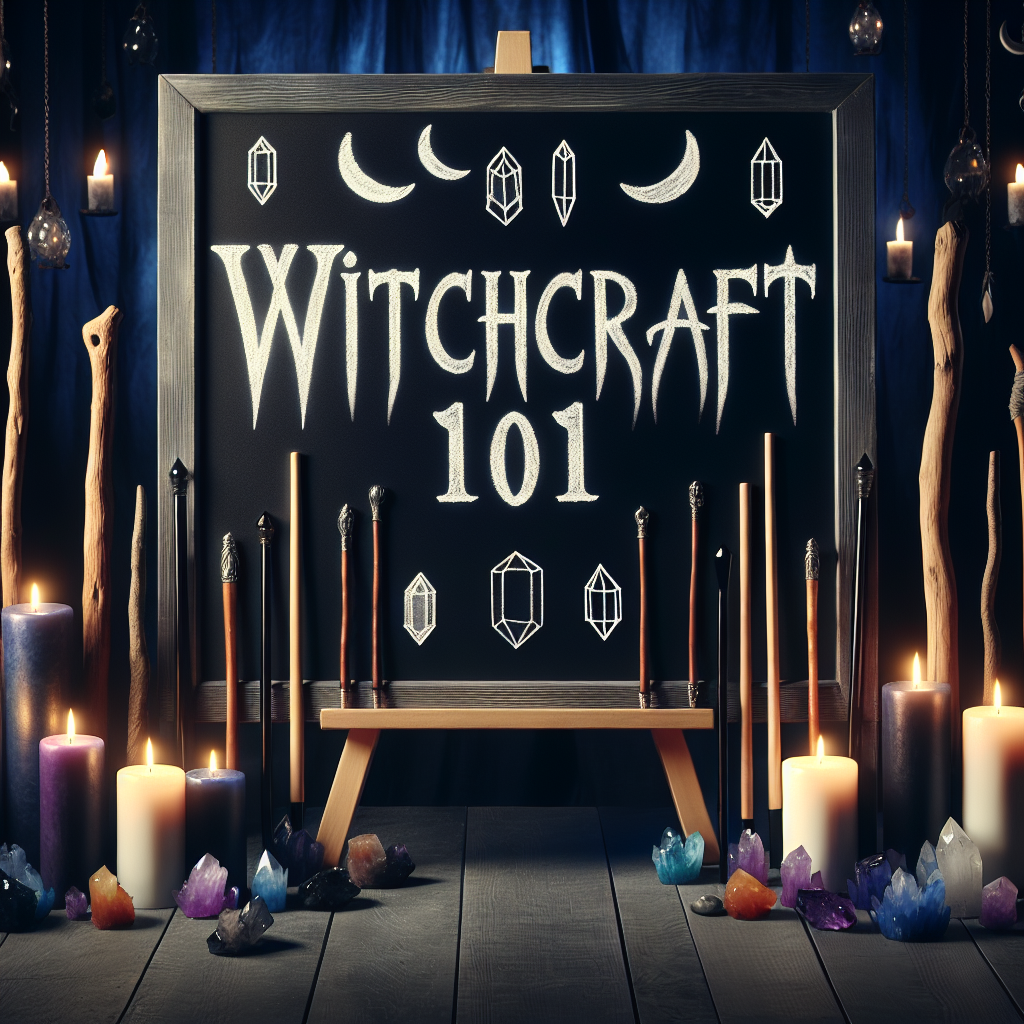
### Discover the True Path to Witchcraft: 5 Common Missteps to Avoid
Witchcraft, a practice rooted in centuries of tradition and mysticism, often suffers from misunderstandings and misconceptions. By learning witchcraft correctly, practitioners can unlock its full potential while avoiding common pitfalls. Inaccurate portrayals in popular culture often lead individuals astray, emphasizing superficial rituals over foundational knowledge, and fostering misconceptions about its ethical implications and diverse traditions. To truly harness the power and wisdom of witchcraft, one must first navigate through these widely held errors and appreciate the spiritual depth it offers. Stay with us as we delve deeper into these misconceptions, offering insightful guidance on how to cultivate a genuine and effective witchcraft practice.
Understanding the Roots of Witchcraft
One of the most common mistakes people make when trying to learn witchcraft is neglecting its historical and cultural origins. Witchcraft has deep roots in various cultures and traditions from around the world. By exploring these origins, a beginner can gain a more profound understanding of its practices and principles.
- Study the history of witchcraft across different cultures, such as Celtic, Egyptian, and Nordic traditions.
- Explore the evolution of witchcraft in modern contexts and how it relates to historical practices.
- Examine the influence of folklore and mythology on magical practices.
Incorporating these elements into your witch journey ensures a more authentic and respectful approach to learning witchcraft.
The Importance of Intention
Another critical aspect that is often misunderstood in a beginner’s guide is the significance of intention in magic. Magic is not just about performing rituals or casting spells; it’s fundamentally about channeling your intentions effectively.
- Focus on clearly defining your goals before engaging in any magical practice.
- Understand the impact of your emotional and mental state on your magical intentions.
- Recognize that successful magic often requires patience and practice to align your intentions with your actions.
By honing your intentions, you can avoid many common magic mistakes and enhance the effectiveness of your practice.
Connecting with Nature
A major error many newcomers make is overlooking the connection between witchcraft and nature. Witchcraft is inherently tied to the natural world, and understanding this connection can greatly enhance your practice.
- Spend time observing natural cycles, such as the moon phases and seasonal changes.
- Incorporate natural elements like herbs, crystals, and plants into your rituals and daily life.
- Understand the concept of correspondences, which link natural elements with magical intentions.
By grounding your practice in nature, you cultivate a deeper connection with the earth and its energies.
The Role of Personal Development
A common oversight in the quest to learn witchcraft the right way is ignoring the role of personal development. Witchcraft is as much about self-growth as it is about external magic.
- Engage in regular self-reflection to understand your motivations and biases.
- Employ magical practices like meditation and journaling to enhance your personal growth.
- Set personal goals that align with your spiritual and magical journey.
Prioritizing personal development can lead to a more fulfilling and authentic magical experience.
The Need for Consistent Practice
Lastly, a prevalent misconception is that one can become proficient in witchcraft without consistent practice. Like any skill, witchcraft requires dedication and regular practice to master.
- Develop a routine that incorporates spell work, study, and meditation into your daily or weekly schedule.
- Track your progress and any magical patterns you observe over time.
- Seek out communities of like-minded individuals for support and accountability.
Consistency is key to progressing on your witch journey and is often where many practitioners falter.
According to a survey conducted by the Pew Research Center, about 0.4% of American adults identified as pagan or Wiccan in 2021, highlighting the growing interest in these practices and the importance of accurate and respectful learning paths.
html
Many people believe that witchcraft is inherently evil or linked to dark magic. Another common misconception is that all witches practice the same traditions, when in fact there are many different paths and practices.
It’s important to study extensively and preferably under the guidance of a seasoned practitioner. Always use protection spells and respect ethical boundaries when practicing.
Respect for nature, the free will of others, and avoiding harm are central ethical considerations in witchcraft. Always be mindful of the potential impact of your actions.
Yes, there are many books, online courses, and community groups available. Look for resources authored by experienced practitioners who respect the diverse nature of witchcraft.
Cross-reference information from multiple reputable sources, engage in community discussions, and seek mentorship from experienced witches. Be wary of sources that promise immediate results or encourage unethical practices.
No, many practitioners choose to be solitary witches. Joining a coven can offer community and guidance, but it is not a requirement for practicing witchcraft.
Rituals are a core part of witchcraft, serving to focus energy and intention. They can range from simple to complex and are often personalized to the practitioner’s preferences and beliefs.
Research different traditions, such as Wicca, Druidry, or Eclectic Witchcraft, to find which resonates with your personal beliefs and lifestyle. It’s important to choose a path that you feel comfortable and connected with.
Yes, witchcraft is open to anyone who feels drawn to it and is willing to learn and practice responsibly. It does not require any specific background, but it does require dedication and respect for its principles.
While many practitioners use tools like candles, crystals, and altars, the most important tool is the practitioner’s intent. Tools are used to help focus energy and intention but are not strictly necessary.
Conclusion
In exploring the nuances of learning witchcraft, it becomes evident that a successful journey requires more than just a superficial understanding of spells and rituals. The guide provided highlights critical missteps often made by novices, such as neglecting foundational knowledge of energy and natural elements, which are vital for any magical endeavor. By addressing these gaps, practitioners can avoid common pitfalls, such as misinterpreting intuition as magic and misusing spiritual tools without respecting their inherent power. Moreover, recognizing the importance of continuous learning and personal growth is crucial, as witchcraft is not a static discipline but one that evolves with the practitioner’s journey.
Additionally, embracing a personalized approach to magic, rather than adhering strictly to traditional dogma, empowers practitioners to develop a genuine and fulfilling practice. The guide emphasized the value of connecting with one’s inner self and the natural world, encouraging a harmonious relationship that transcends mere spellcasting. By fostering an understanding of these principles, beginners can cultivate a more resilient and adaptable magical practice. In essence, unlocking the true potential of witchcraft lies in the balance between tradition and innovation, intuition and knowledge, ensuring that each step taken on the magical path is both informed and deeply meaningful. Ultimately, the insights shared underscore the necessity of a thoughtful and open-minded approach to harness the profound and transformative power of witchcraft effectively.
Amazon and the Amazon logo are trademarks of Amazon.com, Inc, or its affiliates.
Continue Your Magical Journey
Free Witchcraft Starter Kit
Get 6 free printable PDFs: grimoire pages, moon calendar, spells, crystals, herbs, and tarot journal.
We respect your privacy. Unsubscribe anytime.
Enhance Your Practice
As an Amazon Associate, I earn from qualifying purchases.