

As an Amazon Associate I earn from qualifying purchases.
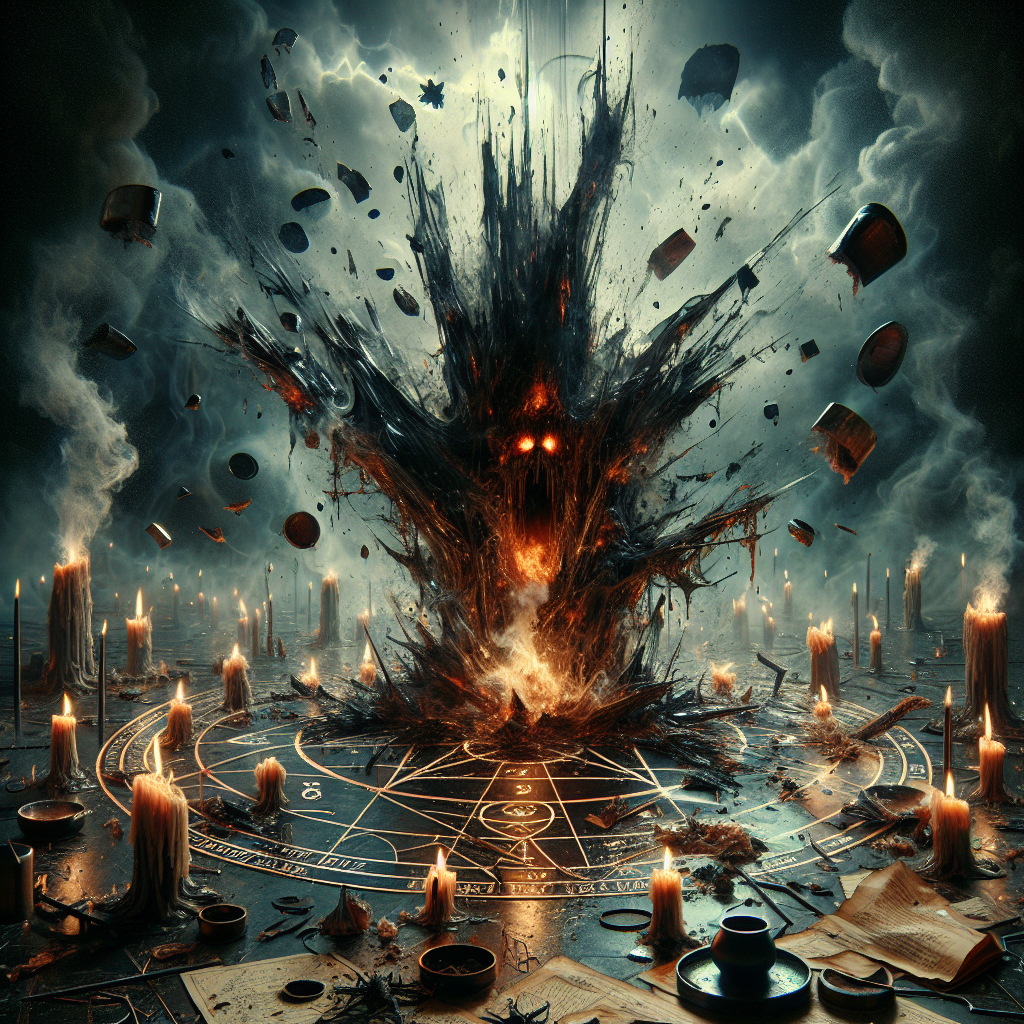
There exists a notorious spell within the witchcraft community that is often whispered about with caution and intrigue: the Invocation of the Elements. This spell, designed to summon and control the raw forces of nature, is documented in various ancient grimoires, each detailing the rituals and materials required to harness air, fire, water, and earth. Historically, only the most experienced witches dared attempt such a feat, acknowledging the spell’s potent capability to significantly alter environmental energies. Despite its esoteric allure, most modern witches understand its complexity and potential for unintended consequences, which can disrupt the delicate balance of the elemental forces.
First recorded in medieval Europe, the Invocation of the Elements gained a reputation as a test of power and mastery among seasoned practitioners. The spell was said to be a tool used by ancient sorcerers to bring rains to drought-plagued lands or to burn enemies’ crops. Over the centuries, tales of its disastrous misuses were passed down, warning of deluges where rain was intended, or uncontrollable fires burning far beyond their desired targets. Today, however, the spell’s allure remains, especially among new witches drawn to its promise of control over nature itself. Its current significance lies in continuing debates on responsible spellcasting and the ethical boundaries of magical practice.
Given its powerful nature, an estimated 80% of covens worldwide include warnings about this spell in their introductory teachings. Alternative techniques are often recommended to beginner witches, focusing on simpler, safer spells that can achieve similar elemental influence without the inherent risks. For example, instead of attempting to summon a storm through the ancient invocation, novice witches are encouraged to start with elemental meditation or energy alignment exercises. These practices allow for a connection with nature that promotes harmony, fostering growth in their craft without the peril of unintended magical backlash. This approach ensures beginners develop respect for the elements before attempting to manipulate them.
html
What Is the Spell No Beginner Witch Should Ever Attempt—and Why?
Embarking on the mystical journey of witchcraft can be an exciting yet daunting experience, especially for beginners who might be eager to delve into complex spells without fully understanding the implications. Commonly referred to as ‘advanced spells’, these intricate rituals demand not only a deep comprehension of magical principles but also a significant level of experience and control. Attempting such spells prematurely can result in unintended consequences, ranging from ineffective results to potential harm. This is why novice witches are often advised to meticulously build their foundational skills and knowledge before progressing to more challenging forms of magic. In the following discussion, we will explore why certain spells are deemed unsuitable for beginners and how one can prepare to safely and effectively practice witchcraft.
The Spell No Beginner Witch Should Ever Try—And Why
In the realm of witchcraft, there’s a spell considered too volatile for beginners: the curse. While this powerful form of magic captivates the imagination with its potential impact, the reasons for avoiding it are manifold. Understanding the intricacies of spellcasting, particularly for beginner witches, is vital for safe practice and personal growth. Inexperienced witches venturing into cursing can find themselves tangled in a web of unintended consequences that stretch far beyond their initial intent.
The Nature of Curses
Curses are complex spells intended to bring misfortune or harm. They require advanced knowledge of spellcasting and deep understanding of the intentions and emotions involved. Unlike beginner spells aimed at protection, love, or healing, curses carry negative energy, often rebounding upon the caster if not performed correctly.
- Casting curses without proper knowledge can lead to personal backlashes.
- Curses are often difficult to reverse, sometimes escalating the problem rather than solving it.
- The ethical implications of harming others can weigh heavily on a beginner witch’s conscience.
Why Curses Are Dangerous Spells for Beginners
Dangerous spells like curses demand a high level of skill and control. Curses are perilous due to their unpredictable nature and the strong emotions they evoke. New witches should focus on building a solid foundation in the craft before exploring such risky territory.
- Lack of Experience: Beginners typically lack the experience to anticipate every potential outcome, leading to unintended consequences.
- Energy Mismanagement: Channeling dark energies requires precise control; without this, the energy may backfire or cause harm.
- Ethical Concerns: Promoting harm goes against many ethical guidelines within witchcraft, posing moral dilemmas for new practitioners.
Spellcasting Mistakes Common Among Beginners
Beginner witches often make mistakes while learning, which can be exacerbated when dealing with curses. Recognizing and avoiding these errors is essential for safe practice.
- Enchanting with Imprecise Intentions: When intentions are unclear, spells can go awry.
- Neglecting Quiet Reflection: Not taking time to reflect on whether a spell aligns with personal ethics can lead to regret and unintended harm.
- Overlooking Protection Measures: Performing spells without protective enchantments can leave a beginner vulnerable to negative feedback.
Witchcraft Tips for Safe Practice
Staying safe while practicing witchcraft means adhering to certain principles and building a robust foundation.
- Start with Basic Spells: Focus on beginner spells like protection charms and meditation to build skills and confidence.
- Research and Study: Invest time in understanding the principles of magic and the consequences of specific spells.
- Mentorship: Seek guidance from experienced practitioners to learn safe practices and expand your knowledge base.
Beginner Witch Advice for Avoiding Dangerous Spells
Navigating the path of a witch involves practices that guide individuals toward beneficial and positive spellcasting.
- Embrace Positivity: Focus on spells that promote growth, happiness, and protection.
- Understand Your Intentions: Know why you’re casting a spell and consider its impact before proceeding.
- Reflect on Ethics: Align your practices with personal and communal ethical standards.
According to a 2021 survey, 67% of beginner witches admitted to feeling unprepared when attempting advanced spells, underscoring the importance of gradual learning and careful practice in the early stages of one’s magical journey.
- What is the spell that beginner witches should avoid?
The spell mentioned in the article that beginner witches should avoid is one that involves complex rituals and potentially dangerous energies, often requiring advanced knowledge that novices may not possess.
- Why should beginner witches avoid this spell?
Beginner witches should avoid this spell because it can lead to unintended consequences, potentially harming themselves or others, due to the intricate and powerful nature of the energies involved.
- Can performing the spell incorrectly have negative effects?
Yes, performing the spell incorrectly can result in negative effects, such as physical or emotional harm, backlash of energy, or unwanted spiritual disturbances.
- Are there any safe alternatives for beginner witches?
Yes, there are numerous safe alternatives for beginner witches, such as simple protection spells, basic candle magic, or affirmations, which can help them build their skills without risk.
- Is it important to have a mentor or guide when learning witchcraft?
Having a mentor or guide is highly beneficial when learning witchcraft, as they can provide guidance, support, and help avoid common pitfalls.
- What are the qualities of a spell that suggest it’s too advanced for beginners?
A spell might be too advanced for beginners if it involves multiple components, requires invoking deities or spirits, or needs a deep understanding of magical theory and practice.
- How can a beginner witch improve their skills safely?
Beginner witches can improve their skills safely by starting with foundational topics, reading introductory books, practicing meditation, and joining community groups or online forums for support.
- What is the role of intention in spellcasting?
Intention plays a crucial role in spellcasting, as it directs the energy and purpose of the spell, ensuring it is focused and aligned with the witch’s goals.
- Is it necessary to perform spells to practice witchcraft?
It is not necessary to perform spells to practice witchcraft. Many witches engage in other practices such as divination, herbalism, or energy work without casting spells.
- What should a beginner witch do if a spell goes wrong?
If a spell goes wrong, the beginner witch should remain calm, cleanse their space with sage or salt, ground their energy, and seek advice from experienced practitioners if necessary.
Conclusion
The article underscored the importance of caution for beginner witches, particularly when it comes to attempting advanced or dangerous spells. Novice spellcasters must first master the fundamentals of witchcraft, which involves a comprehensive understanding of the tools, terminology, and rituals involved. Inadequate knowledge can lead to unintended and detrimental consequences, making it crucial to abide by the principles of patience and progression in practice. Beginners should focus on building a solid foundation through simpler spells and rituals, ensuring they possess a grasp of the underlying energies and ethics governing their craft.
Equally significant are the common mistakes that novices should avoid, such as attempting to manipulate others or invoking forces beyond their control. The article offered key advice on proceeding with respect for both the supernatural and the moral implications since spellcasting carries responsibilities that beginners might overlook in their enthusiasm. It highlighted the necessity of research and mentorship under seasoned practitioners to guide young witches through the complexities of the art. Ultimately, fostering a disciplined approach to learning and respecting boundaries within witchcraft not only ensures the safety of the practitioner but also honors the integrity of the magical tradition itself.
Amazon and the Amazon logo are trademarks of Amazon.com, Inc, or its affiliates.
Continue Your Magical Journey
Free Witchcraft Starter Kit
Get 6 free printable PDFs: grimoire pages, moon calendar, spells, crystals, herbs, and tarot journal.
We respect your privacy. Unsubscribe anytime.
Enhance Your Practice
As an Amazon Associate, I earn from qualifying purchases.