

-
Table of Contents
html
Wiccan Rituals for Every Season: Celebrating the Wheel of the Year
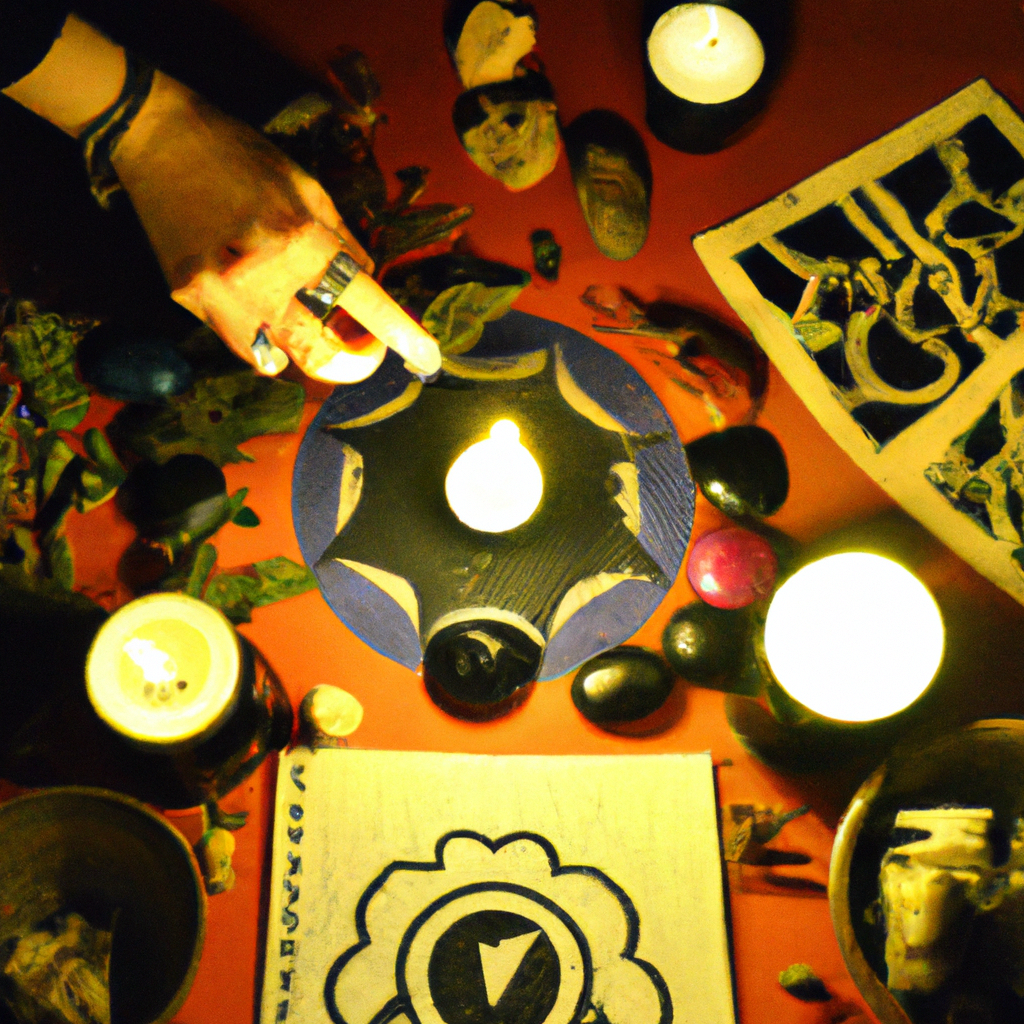
The Wheel of the Year is a cornerstone of Wiccan spirituality, offering a framework for celebrating the cycles of nature and the changing seasons. This sacred calendar consists of eight sabbats, or seasonal festivals, that honor the Earth's rhythms and the interplay between light and dark. Each sabbat provides an opportunity for Wiccans to connect with nature, reflect on personal growth, and perform rituals that align with the energies of the season.
In this article, we’ll explore the significance of the Wheel of the Year and delve into the unique rituals associated with each sabbat. Whether you’re a seasoned practitioner or new to Wicca, these insights will help you deepen your connection to the natural world and celebrate the seasons with intention.
What Is the Wheel of the Year?
The Wheel of the Year is a cyclical calendar that marks the passage of time through eight sabbats. These festivals are divided into two categories:
- Solar Festivals: The solstices and equinoxes, which mark the turning points of the sun’s journey.
- Cross-Quarter Days: The midpoints between the solar festivals, often associated with agricultural and pastoral traditions.
Each sabbat reflects the changing energies of the Earth and offers a chance to honor the cycles of life, death, and rebirth. The Wheel of the Year is not only a spiritual guide but also a reminder of humanity’s deep connection to nature.
The Eight Sabbats and Their Rituals
Let’s take a closer look at each sabbat and the rituals that can be performed to celebrate them.
1. Yule (Winter Solstice)
Yule, celebrated around December 21st, marks the longest night of the year and the return of the sun. It is a time of hope, renewal, and introspection.
- Rituals: Lighting candles or a Yule log to symbolize the rebirth of the sun, decorating with evergreens, and meditating on personal goals for the coming year.
- Example: A Wiccan family might gather to light a Yule log, sharing blessings and intentions for the new year.
2. Imbolc
Imbolc, celebrated on February 1st or 2nd, honors the first signs of spring and the goddess Brigid. It is a time for purification, creativity, and new beginnings.
- Rituals: Lighting white candles, creating Brigid’s crosses, and performing cleansing rituals to prepare for the growth ahead.
- Case Study: A solitary practitioner might perform a candlelit meditation to invite inspiration and clarity into their life.
3. Ostara (Spring Equinox)
Ostara, celebrated around March 21st, marks the balance of day and night and the arrival of spring. It is a time of fertility, growth, and renewal.
- Rituals: Planting seeds, decorating eggs, and performing rituals to honor balance and abundance.
- Example: A coven might gather to plant a community garden, symbolizing their shared intentions for growth.
4. Beltane
Beltane, celebrated on May 1st, is a festival of fire, fertility, and passion. It honors the union of the God and Goddess and the peak of spring’s vitality.
- Rituals: Dancing around a Maypole, jumping over bonfires, and performing love or fertility spells.
- Case Study: A couple might perform a handfasting ceremony during Beltane to celebrate their commitment to each other.
5. Litha (Summer Solstice)
Litha, celebrated around June 21st, marks the longest day of the year and the height of the sun’s power. It is a time of joy, abundance, and gratitude.
- Rituals: Lighting bonfires, making sun wheels, and giving thanks for the blessings of the season.
- Example: A Wiccan might create a sun wheel from flowers and herbs, offering it as a symbol of gratitude to the sun.
6. Lammas (Lughnasadh)
Lammas, celebrated on August 1st, is the first harvest festival and a time to honor the fruits of labor. It is associated with gratitude, sacrifice, and abundance.
- Rituals: Baking bread, sharing meals with loved ones, and performing rituals to give thanks for the harvest.
- Case Study: A coven might hold a feast, sharing stories and blessings as they celebrate the season’s abundance.
7. Mabon (Autumn Equinox)
Mabon, celebrated around September 21st, marks the balance of day and night and the second harvest. It is a time for reflection, gratitude, and preparation for the darker months.
- Rituals: Creating altars with autumnal symbols, performing gratitude meditations, and sharing food with those in need.

