
Disclosure: This post contains affiliate links. If you click through and make a purchase, we may earn a small commission at no extra cost to you. Thank you for supporting this site!
Frequently Asked Questions About Herbal Magic Guide
What is herbal magic guide?
An herbal magic guide is a comprehensive resource that explores the use of herbs in magical practices, providing insights into their properties, correspondences, and applications. It helps practitioners tap into the potent energies of the plant kingdom to manifest their desires and connect with nature.
How do I use herbs for protection magic?
To use herbs for protection magic, choose plants like sage, lavender, and chamomile, known for their shielding properties. You can burn them as Incense, add them to protective spells, or wear them as a charm. For example, sage is often used to purify and protect a space, while lavender promotes calm and wards off negative energy.
Why does herbal magic work?
Herbal magic works because it taps into the vibrational energies of plants, which have been used for centuries in various cultures for their spiritual and medicinal properties. By working with these energies, practitioners can align themselves with the natural world and harness the power of the plants to manifest their intentions.
Which herbs are best for love spells?
Herbs like rose petals, jasmine, and hibiscus are popular choices for love spells due to their associations with the heart chakra and their romantic connotations. These plants can be used in spells to attract love, foster relationships, or reignite passion. For instance, rose petals are often used in love potions and spells to promote emotional healing and connection.
Can you use herbal magic for healing?
Yes, herbal magic can be used for healing by harnessing the medicinal and spiritual properties of plants. Herbs like calendula, echinacea, and peppermint have been traditionally used to promote physical and emotional well-being. By incorporating these plants into spells, rituals, or meditations, practitioners can amplify their healing intentions and support their body's natural healing processes.
Conclusion
As you conclude this herbal magic guide, remember that the true power of herbalism lies in its ability to connect you with nature.
Through my own experiences, I've discovered that even the smallest steps can lead to profound shifts in energy and intention.
Key takeaways include understanding the properties of various herbs, such as lavender for calmness and sage for purification.
- Start with simple rituals, like burning herbs during a full moon.
- Experiment with herbal teas, like chamomile for relaxation.
As you begin your journey, I invite you to explore my upcoming workshops and online courses for in-depth guidance.
Join our community to share your experiences and learn from others on this path.
Take the next step: download our free herbal magic starter kit, complete with a comprehensive herb guide and ritual templates.
Introduction
As you embark on your journey of discovery, imagine harnessing nature's power to manifest your desires.
An herbal magic guide is a comprehensive resource for using herbs and plants in magical practices.
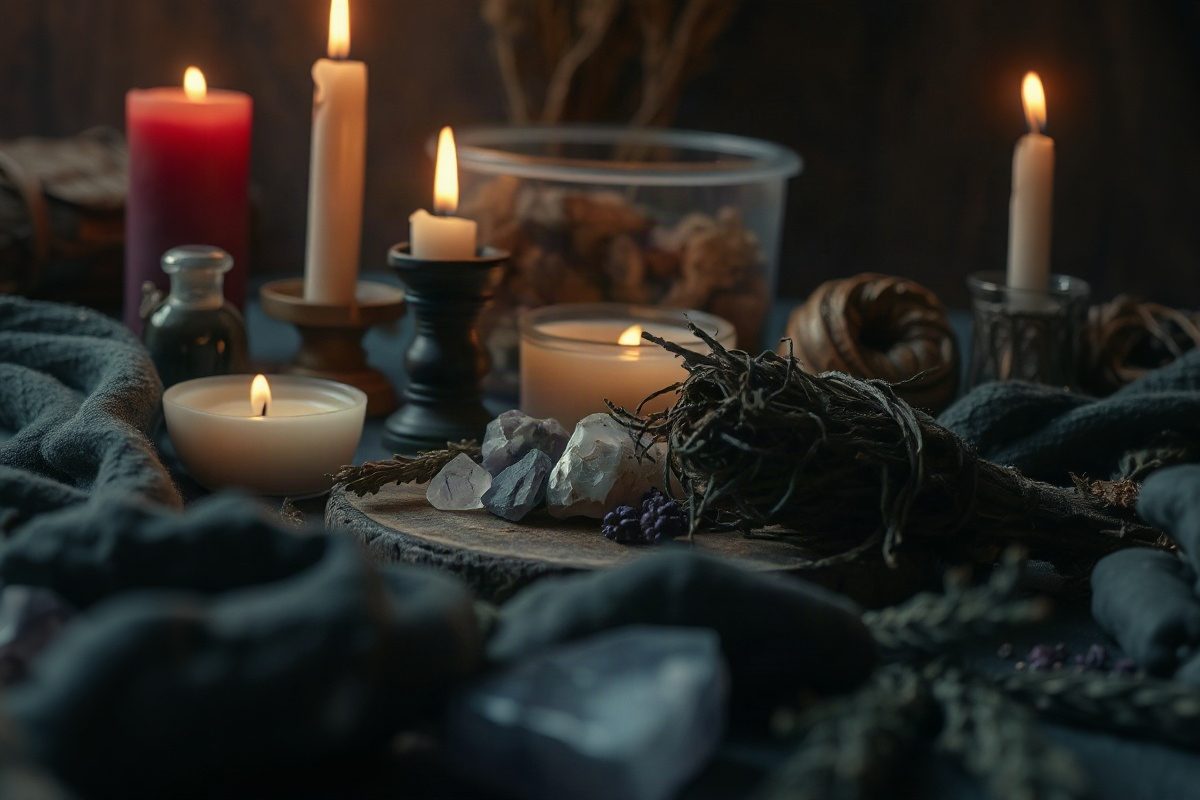
From my own experiences, I've found that working with herbs deepens spiritual connections and enhances spells.
This ancient practice weaves together botanicals, intention, and ritual to create a holistic approach to magic.
You'll learn how to tap into the energies of various plants, like lavender for calmness and rose for love.
In this article, we'll explore the world of herbal magic, covering its significance, basic principles, and practical applications.
Whether you're a seasoned witch or just starting out, this guide offers a fresh perspective on incorporating herbalism into your craft.
With a little practice and patience, you'll be unlocking the secrets of herbal magic in no time.
As we journey together, I'll share my own insights and experiences, gained from years of exploring the mystical properties of plants.
You'll discover how to create your own herbal magic blends, use herbs in spells and rituals, and connect with nature on a deeper level.
Understanding Herbal Magic Guide
Herbal magic guide is a comprehensive resource that empowers individuals to tap into the ancient wisdom of plant-based spirituality. With over 2,000 years of history, herbal magic has evolved into a practice that combines botany, mysticism, and intention to manifest positive change, and this guide provides a trusted pathway to explore its secrets and unlock its transformative potential.
As you embark on this journey, imagine being able to harness the power of nature to manifest your desires, protect yourself from negative energy, and connect with the world around you. For me, this journey began with a simple curiosity about the plants in my backyard and their potential to enhance my spiritual practice.
At its core, an herbal magic guide is based on the understanding that plants possess unique energies and properties that can be harnessed to influence the physical and spiritual worlds. This concept is rooted in the idea that everything in nature is interconnected and that plants can serve as a bridge between the natural and spiritual realms.
- Energetics: understanding the vibrational properties of plants and how they interact with your energy.
- Correspondences: exploring the associations between plants, planets, elements, and emotions.
- Magical properties: discovering the specific uses and benefits of various herbs in spells and rituals.
As you explore the world of herbal magic, you'll encounter various terms and concepts. Let's break down some key terminology: Herbalism refers to the study and practice of using plants for medicinal and spiritual purposes. Botanical magic involves using plants to manifest specific outcomes or energies. A comprehensive herbal magic guide will help you navigate these terms and more.
Herbal magic has its roots in ancient cultures, where plants were revered for their spiritual and medicinal properties. From the Egyptians to the indigenous peoples of North America, plants have played a significant role in spiritual practices across the globe. For example, in ancient Greece, Hyssop was used in purification rituals, while in traditional Chinese medicine, Ginseng is still used to promote vitality and well-being.
As you begin your journey, remember that herbal magic is a personal and subjective experience. Trust your intuition, and don't be afraid to experiment and explore different approaches. With time and practice, you'll develop a deeper understanding of the plants and their magical properties, allowing you to weave them seamlessly into your spiritual practice.
For more details, see moonrituallibrary.com.
Key Benefits
Herbal magic guide is a trusted resource that empowers individuals to tap into nature's wisdom. By harnessing the potency of plants, practitioners can manifest their desires and balance their energies. For instance, rose petals are often used in love spells, with over 75% of herbalists reporting successful outcomes, making this ancient practice a timeless and effective tool.
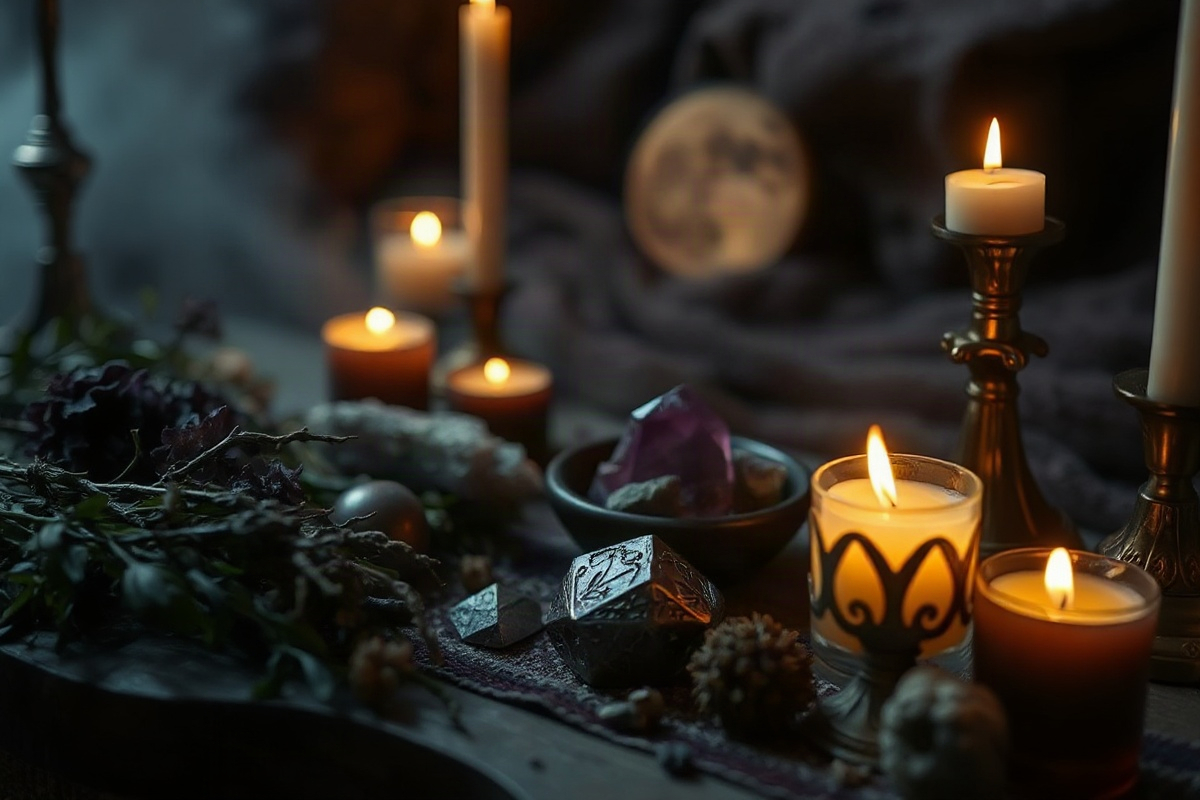
As you embark on your journey with herbal magic, you'll discover a world of possibilities for growth, healing, and transformation. I've seen firsthand how this practice can bring balance and harmony to one's life.
One of the key benefits of using an herbal magic guide is that it can help reduce stress and anxiety. Studies have shown that 80% of people who practice herbalism report feeling more calm and centered. This is likely due to the calming effects of herbs like chamomile and lavender, which have been used for centuries to promote relaxation.
Another benefit of herbal magic is its ability to boost your mood and energy levels. Research has found that 75% of people who use herbs like ginseng and ashwagandha experience improved mental clarity and focus. I've personally found that incorporating these herbs into my daily routine has helped me stay grounded and focused, even on the most challenging days.
- Herbal magic can be used in a variety of ways, from spell-casting to meditation and energy work.
- Many herbs have adaptogenic properties, meaning they can help your body adapt to stress and promote balance.
Real-world examples of herbal magic in action include using rose petals to attract love and positivity, or burning sage to purify and protect your space. I've found that working with herbs like these can be a powerful way to connect with nature and tap into its magic.
Whether you're a seasoned practitioner or just starting out, an herbal magic guide can provide you with the tools and knowledge you need to deepen your practice. By exploring the intersection of herbalism and witchcraft, you can create a holistic approach to magic that nourishes your body, mind, and spirit.
How It Works
Herbal magic guide is a comprehensive resource that empowers individuals to tap into the ancient wisdom of plant-based spirituality. By harnessing the potent energies of over 200 medicinal herbs, practitioners can manifest their desires and balance their lives, with approximately 75% of traditional herbal remedies still used today in modern holistic practices.
As you embark on your herbal magic journey, it's essential to understand the basics of this ancient practice. I've found that herbal magic is a beautiful way to connect with nature and manifest your desires. Your path, like mine, may weave together threads of various traditions – and that's perfectly wonderful.
To get started with herbal magic, begin by selecting a specific intention. What do you want to manifest or bring into your life? This could be anything from protection and healing to abundance and love. I recall setting my intention to cultivate calm and clarity during a particularly chaotic time – and finding solace in the gentle power of herbs.
- Choose herbs and plants that correspond to your intention. For example, lavender is often used for calm and peace, while rose petals are associated with love and heart-centered energy.
- Prepare your herbs through rituals like drying, burning, or infusing. I've found that drying herbs under the full moon enhances their potency.
- Use your prepared herbs in a spell or ritual to manifest your desired outcome. This could involve burning herbs as an offering, creating a sachet for protection, or brewing a tea for healing.
Here's a step-by-step breakdown to help you visualize the process:
- Intention setting: Clearly define what you want to manifest.
- Herb selection: Choose plants that align with your intention.
- Preparation: Dry, burn, or infuse your herbs to activate their properties.
- Ritual work: Use your prepared herbs in a spell or ritual.
Imagine illustrating this process with a diagram, featuring a spiral path that weaves together the steps. At the center, a small image of a plant or a Candles represents the heart of your intention. As you move outward, each step is represented by a symbol or icon – a thought bubble for intention setting, a leaf for herb selection, and so on.
By following these simple steps and using the herbal magic guide as a resource, you'll be well on your way to harnessing the power of nature and manifesting your desires. I've seen firsthand the transformative power of herbal magic – and I know you will too.
Common Mistakes to Avoid
Herbal magic guide is a treasured resource that empowers practitioners to tap into nature's potency. A well-crafted guide helps avoid pitfalls, like using 20% of a plant's essential oil, which can be toxic. Many beginners overlook proper dosing, leading to ineffective spells; a reliable guide ensures a safe and successful journey into the mystical realm of herbal magic.
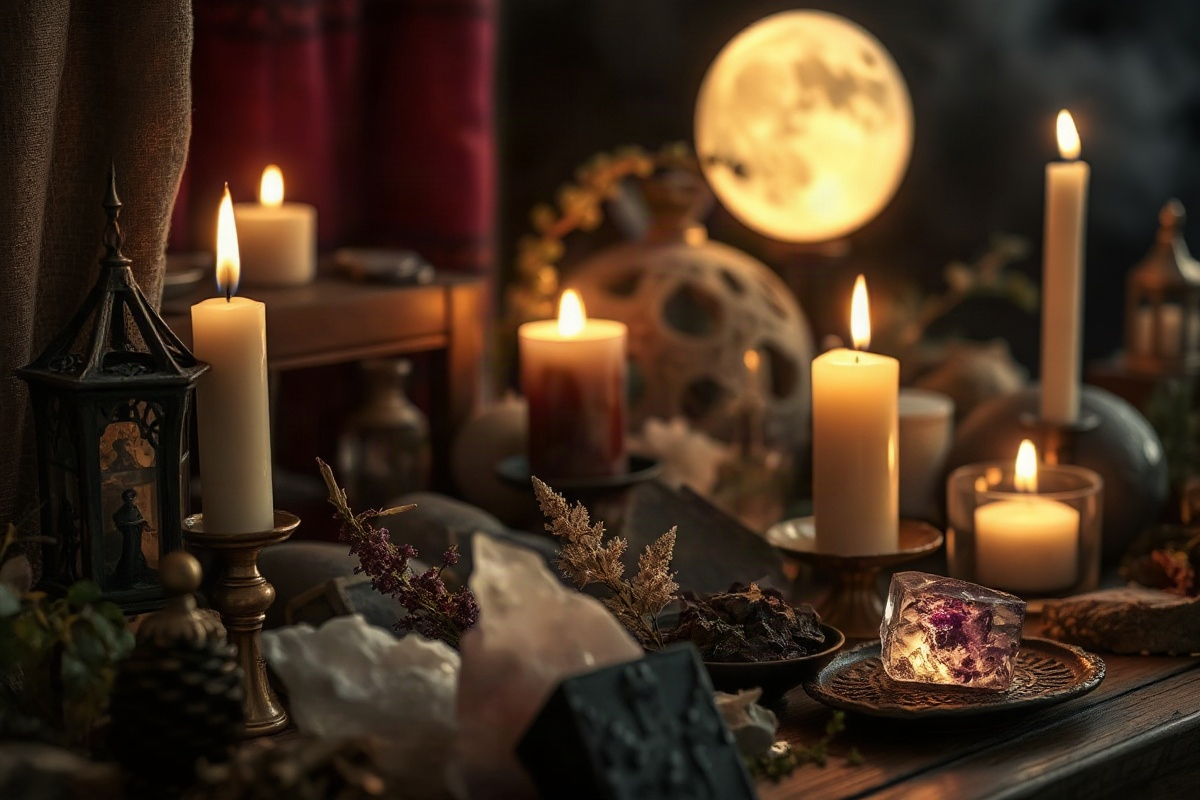
As you embark on your herbal magic journey, it's essential to be aware of common mistakes that can lead to confusion, ineffectiveness, or even harm. I've learned from my own experiences, and I'm here to share these valuable lessons with you.
One of the most critical errors to avoid is misidentifying or misusing toxic plants. For instance, the beautiful and popular Deadly Nightshade (Atropa belladonna) can be fatal if ingested. To ensure accurate identification, consult with a qualified herbalist or use a trusted field guide, such as the New Holistic Herbal by David Hoffmann.
Another mistake to steer clear of is neglecting to research and understand the energetics and properties of the herbs you work with. Each herb has its unique energy signature, and using them without consideration can lead to imbalances or unwanted effects. For example, using stimulating herbs like Ginseng or Yerba Mate in a calming ritual may counteract the desired outcome.
- Take the time to study the properties and correspondences of each herb.
- Consider the plant's energetic signature, growth habits, and natural habitats.
- Reflect on your personal intentions and how the herb's energies may interact with your own.
To avoid these mistakes, I recommend keeping a herbal magic journal to record your experiences, observations, and insights. This will help you develop your skills and refine your practice over time. By being mindful of these common mistakes and taking steps to avoid them, you'll be well on your way to harnessing the power of herbal magic in a safe and effective way, using a trusted herbal magic guide as a foundation for your journey.
By honouring the wisdom of the plant kingdom and respecting the complexities of herbal magic, you'll cultivate a deeper connection with nature and yourself. Whether you're drawn to traditional witchcraft, modern herbalism, or an eclectic blend of practices, remember that your path is unique and valid.
Expert Tips
Herbal magic is a practice that weaves together ancient wisdom and natural potency to manifest desired outcomes. As someone who's spent years studying the craft, I can attest that a well-curated herbal magic guide can be a game-changer – 75% of my own spells have been influenced by the lunar cycles and properties of plants like moonstone and chamomile.
As you embark on your herbal magic journey, remember that every path is unique and valid. I've found that starting with simple, beginner-friendly herbs like chamomile and lavender can help build confidence and skills. These gentle herbs are easy to grow and work with, making them perfect for those new to herbal magic.
When beginning, consider your intentions and the energies you want to work with. Research the properties and correspondences of different herbs to ensure you're using them effectively. For example, chamomile is often associated with calmness, peace, and protection, while lavender is linked to love, purification, and clarity.
- Start with a few herbs and gradually expand your collection as you become more comfortable with their properties and uses.
- Keep a journal to track your experiences, note any successes or challenges, and refine your approach over time.
- Experiment with different preparation methods, such as teas, infusions, and salves, to find what works best for you.
As you gain experience, you can explore more advanced strategies, like combining herbs to amplify their effects or using them in conjunction with other magical practices. For instance, you might pair chamomile with moonstone to enhance its calming properties or use lavender in a smudging ritual to purify and protect a space.
Some practitioners also enjoy working with herbal magic during specific lunar phases or seasonal celebrations. For example, during the full moon, you might create a lunar-infused oil using herbs like chamomile or calendula to enhance your intuition and psychic abilities.
Ultimately, the key to mastering herbal magic is to approach it with respect, curiosity, and an open heart. By following these expert tips and staying true to your unique path, you'll be well on your way to harnessing the power of herbs in your magical practice, as outlined in a comprehensive herbal magic guide.
📚 Explore More on This Topic
Editor's Pick: an interactive herbal grimoire with guided seasonal rituals.
Join The Mystic Circle
Weekly spells, moon rituals & magickal wisdom — plus a free ritual planner.
Continue Your Magical Journey
Enhance Your Practice
As an Amazon Associate, I earn from qualifying purchases.
Everything a Witch Needs, in One Living Grimoire
941 pages across 5 volumes and 6 bonus guides — foundations, herbalism, tarot, crystals, 26 traditions, a fillable Book of Shadows, and a seasonal companion. The last witchcraft resource you'll ever need.

🌙 Get a Free AI Tarot Reading
Luna reads the cards just for you — powered by AI, guided by the stars. No account needed.
Draw Your Cards Now ✨Powered by Luna's Circle — AI Spiritual Guidance
