

- Key Takeaways
- Introduction
- Introduction to Plant Devas
- Connecting with Plant Devas
- Practical Steps for Engaging with Plant Devas
- Final Thoughts
- The Problem
- Why This Matters
- Why This Matters
- Practical Steps for Connection
- Finding Community
- Who It Affects
- The Explanation
- Root Causes
- Contributing Factors
- Connecting with Plant Spirits: A Practical Guide
- Let’s Try This Tonight
- What I Wish I’d Known
- Final Thoughts
- What the Research Says
- Key Findings
- Where Experts Agree
- Where Experts Agree
- Where They Disagree
- Practical Implications
- What You Can Do
- What to Avoid
- Comparison of Approaches
- Key Takeaways
- Frequently Asked Questions
- How Do I Know if a Plant Spirit Is Communicating With Me Authentically?
- What Safety Precautions Should I Take When Working With Plant Devas?
- Can Plant Spirits Help Heal Physical Ailments or Only Emotional Wounds?
- How Do I Build a Respectful Long-Term Relationship With a Specific Plant?
- What Offerings or Rituals Do Different Plant Spirits Prefer or Require?
- Conclusion
- Related Posts
- Related Posts
- Related Reading
- Awaken Your Inner Witch
Have you ever felt a little lost during a ritual, like the energy just wasn’t clicking? I remember my first time trying to connect with a plant spirit—it was awkward, and I felt like I was talking to a wall. But tonight, I want to show you how to step into a more meaningful relationship with plants and their spirits. After 10 years of practice, I can promise you it’s simpler than it sounds. Start by sitting quietly with a potted plant or a piece of fresh herbs, and just breathe. Trust this. You’ll find a world waiting for you there.
Key Takeaways
- Meditate for 10 minutes daily with a chosen plant to deepen your connection — this practice enhances your ability to receive insights and energy from the plant spirit.
- Document your experiences in a dedicated journal after each session — tracking colors, shapes, and emotions reveals patterns that strengthen your bond over time.
- Source plants ethically by researching suppliers and ensuring sustainable practices — this respect for plant life fosters trust and creates a positive energetic exchange.
- Consult a healthcare provider before using herbs, especially if you have existing conditions — this keeps you safe while allowing you to explore the benefits of plant spirits responsibly.
- Set clear intentions before each meditation session with your plant — focused energy aligns your purpose, facilitating a stronger connection with its spirit.
Introduction

Introduction to Plant Devas
Have you ever wandered through a garden or a forest and felt that something deeper was at play? I remember my early days, getting lost in the beauty of nature, yet sensing that the plants were so much more than just greenery. They felt alive, almost as if they were whispering secrets. If you’ve felt that connection, you might be ready to explore the world of plant devas.
Plant devas, or “shining ones,” as the Sanskrit word suggests, are the intelligent spirits that help guide the growth and health of plants. They operate on an etheric level, almost like architects of life. After years of working with these entities, I’ve come to understand that they hold the blueprints of life, channeling energies that shape the physical world around us.
Here’s a simple practice to try tonight: Find a plant in your home or outside. Sit quietly with it for a few moments. Close your eyes and take a deep breath. Set your intention to connect. Just being present is enough. Trust the process.
When you engage with plant devas, you’re not just observing; you’re actively participating in a dance of energy. Plants respond to intention, permission, and respect. Ever felt that when you talk to them, they seem to listen? That’s because they do.
Connecting with Plant Devas
In my practice, I learned that meditation is a powerful tool to deepen this connection. Start with a simple breathing exercise. Focus on your breath, allowing it to flow naturally. Picture a warm light surrounding you, connecting you to the plant before you.
What I wish someone had told me as a beginner is that this connection doesn’t always happen immediately. Be patient. Results vary, and that’s perfectly okay. Some practitioners might’ve different experiences, and that’s valid.
Here’s a grounding tip: Write down any impressions or feelings you get during your meditation. This can help you track your progress and see how your relationship with the plant evolves over time.
Practical Steps for Engaging with Plant Devas
- Choose Your Plant: Select a plant that draws your attention. It could be a houseplant, a garden herb, or even a tree in the park.
- Set Your Space: Create a calm environment. Light a candle in a fire-safe container (never leave it unattended) or burn some incense if you like.
- Meditate: Sit comfortably near your plant. Close your eyes and breathe deeply. Visualize a gentle connection between you and the plant.
- Ask for Permission: Silently ask the plant if it’s okay to connect with its spirit. Listen for a gentle “yes” or “no.” Trust your intuition.
- Observe: After your meditation, spend some time observing the plant. Note its colors, shapes, and any feelings that arise.
- Journal: Write down your thoughts and experiences. This helps solidify your connection.
Remember, ethical practices matter. If you’re sourcing herbs or plants, choose sustainably. Respect their habitats and avoid endangered species.
Final Thoughts
As you embark on this journey, remind yourself that every connection is unique. Some days will feel rich with insights, while others may feel quiet. That’s all part of the process.
Trust yourself. You’re not alone in this exploration. Each step you take brings you closer to understanding these magnificent beings. Ready to dive deeper? Start with that simple meditation tonight, and see where it leads you.
The Problem
You’re disconnected from the plant intelligences that sustain your life, missing the guidance devas offer for healing and restoration.
This separation not only impacts your garden’s productivity but also affects your physical, emotional, and spiritual well-being, along with the planetary resources that rely on conscious human collaboration.
Without intentional communication and proper cultivation practices, you leave untapped the plant spirits’ willingness to share their wisdom for your ascension and Earth’s renewal.
So, how do you bridge this gap and reconnect with the natural world?
The answer lies in embracing practices that foster a deeper relationship with these powerful allies. Additionally, recognizing the role of nature in modern witchcraft can enhance your connection to plant spirits and deepen your understanding of their significance.
Why This Matters
Why This Matters
Ever felt that weight of loneliness? You’re not alone. I remember when I first started my journey—feeling isolated and unsure. It’s staggering to know that 54% of American adults report feeling emotionally disconnected. The Surgeon General has even called this a public health crisis. The impact on your health can be as severe as smoking fifteen cigarettes a day, increasing risks for depression, heart disease, and even early death.
What’s causing this loneliness? Well, religious disaffiliation is on the rise—28% of U.S. adults now identify as unaffiliated. On top of that, 56% of Christians see spirituality as a private matter, drifting away from community support that can help ease those feelings of isolation.
So, where do plant spirits and devas fit in? They can offer you a pathway back to connection. Engaging with these beings isn’t just about spirituality; it’s about reclaiming that essential relational foundation your nervous system craves.
Ready to explore? Here’s a simple step to try tonight: Find a plant that resonates with you, whether it’s a small potted herb or a flower in your garden. Sit quietly with it. Breathe deeply, and feel its presence. What do you notice? Start there. It’s enough to begin reconnecting.
In my practice, I learned this the hard way: real connection often starts with the simplest gestures. When I took time to sit with plants, I felt a sense of community emerging—even if it was just me and the greenery.
Practical Steps for Connection
- Choose Your Plant: Look for something you’re drawn to. It could be a houseplant, a wildflower, or even dried herbs. Just make sure to source them ethically—avoid endangered species and support sustainable practices.
- Create a Space: Find a quiet spot where you won’t be disturbed. Light a candle, but be cautious—use a fire-safe container and never leave it unattended.
- Engage Your Senses: Touch the leaves, smell the earth, or even taste a small piece of an herb (after checking with a healthcare provider about any risks).
- Listen and Reflect: Close your eyes and let your mind settle. What feelings arise? What thoughts come to you? Journaling can help you capture these insights.
This practice doesn’t guarantee instant connection, and that’s okay. Be patient—results vary. Some practitioners might have different opinions, and that’s valid. What I wish I’d known as a beginner is that it’s okay to take your time with this process.
Finding Community
As you explore, consider reaching out to like-minded individuals. Whether it’s an online group or a local gathering, connecting with others can enrich your experience. Sharing your journey can be uplifting and grounding.
Try to remember that you’re part of a larger tapestry—one that includes both nature and community. Embrace the imperfections of your process; trust that you’re on your unique path.
Next Steps: Make a plan to return to your plant this week. Maybe add a few drops of essential oil to your practice, but again, consult a healthcare provider for safety.
You’re not alone in this journey. Community starts with the connection you cultivate, even in small moments. Keep exploring!
Who It Affects

But here’s what I didn’t grasp in the early days: my disconnect from plants wasn’t just a personal loss. It sends ripples through ecosystems, many of which I couldn’t yet see.
Ever felt that? When you’re caught up in chaotic thoughts or ignoring the state of the environment, it weighs heavily on those spirits—devas—who already have a lot on their plates, dealing with pollution and degradation.
Your garden’s struggles aren’t random; they reflect a broken partnership. When you aren’t engaged, plant energies become diluted, seeds struggle to sprout, and the healing properties of your vegetables fade.
This strain goes well beyond your backyard. The devas who guard sacred spaces, protect our forests, and purify our air and water are stretched thin when we turn away. You’re not just impacting individual plants; you’re exhausting the networks that support all life.
I learned this the hard way. The first time I truly connected with a plant, I felt its energy and wisdom. It opened my eyes to the importance of being present and aware.
So, what can you do? Start by simply being curious.
Your awareness and intentional participation aren’t just nice-to-haves; they’re crucial for healing our planet. Trust me, this isn’t about being perfect. It’s about showing up, even in small ways.
Try This Tonight: Take a moment to sit quietly in your garden or a nearby park. Close your eyes and breathe deeply. Feel the earth beneath you. Ask the plants what they need. You might be surprised at the insights you receive.
Remember, this journey doesn’t have a strict timeline. Be patient—results vary. And it’s okay if you don’t feel a connection right away. Some practitioners might’ve different experiences, and that’s valid.
What I wish I’d known as a beginner is that every little action counts. If you’re new to this, it’s not about knowing it all. Just start somewhere.
As you cultivate this awareness, consider the sources of your plants and materials. Emphasize ethical practices—whether it’s supporting sustainable herb harvesting or choosing crystals that have been mined responsibly.
It’s all part of nurturing that essential partnership between you and the natural world.
Let’s commit to this process together. Your journey is just as vital as the plants you nurture. Remember, you’re not alone in this; we’re all part of a larger tapestry of life.
The Explanation
The disconnect from plant devas stems from a loss of the once-nurturing relationship between humanity and nature, where plants were seen as conscious beings deserving of respect.
Industrialization, spiritual neglect, and a cultural tendency to dismiss devic intelligence have contributed to this rift.
Recognizing this problem opens the door to understanding the vital guidance these intelligences offer, which is essential for healing our environment and unlocking the full potential of plants in both medicinal and spiritual realms.
What happens when we begin to restore that connection?
Root Causes
Understanding why plant spirits matter can feel a bit overwhelming at first. I remember when I was just starting out, and it seemed like there was so much to learn. But here’s the thing: connecting with these beings isn’t just about spiritual concepts; it’s about engaging with the very fabric of nature.
Ever felt that deep pull toward a particular plant? That’s likely a nudge from the plant spirits, who are here to help us navigate the energies around us. Devas act as architects of this natural world, holding the blueprints for life, while elementals bring those designs to life. It sounds a little mystical, but trust me, it’s practical and rooted in how nature operates.
You might feel a fracture in this relationship, especially with all the modern challenges we face—like industrial farming and environmental degradation. These can cloud our access to the wisdom plants offer. When we overlook our collaboration with these spirits, we miss out on vital keys to restoring our planet and ourselves.
What I wish I’d known as a beginner is that recognizing this interdependence is essential.
Ready to try something tonight? Begin with a simple meditation. Find a quiet spot, close your eyes, and breathe. Imagine connecting with a plant you love. Picture its roots grounding into the earth, its leaves reaching toward the sky. This practice can help you tap into that co-creative energy.
As you build this connection, remember that it takes time. Some practitioners find it easy, while others may struggle. Be patient with yourself—results vary. After years of working with herbs, I learned that every interaction is unique, and that’s okay.
Take a moment to reflect on your own relationship with plants. What do you feel drawn to? Trust that instinct. It might lead you to a deeper understanding of the healing potential that lies within these connections.
When working with plant spirits, consider ethics too. Source your herbs and crystals responsibly. Look for sustainable harvesting practices or ethical suppliers. This respect for nature is a crucial part of the journey.
Now, how about a practical step? Start a plant journal. Write down your thoughts and experiences with different plants you encounter. Note any feelings, dreams, or insights that come up. Over time, you’ll notice patterns and deepen your understanding.
Contributing Factors
Connecting with Plant Spirits: A Practical Guide
Ever found yourself in a garden, feeling like there’s more to those plants than meets the eye? I remember the first time I sensed a deeper connection with the green world around me. It was both exciting and a bit overwhelming. Here’s something you can try tonight: sit quietly with a plant, close your eyes, and take a few deep breaths. Feel the energy around you. Start there.
When you work with plant spirits, several interconnected factors come into play. Trust me, I learned this the hard way. Here’s what I’ve gathered over the years:
- Your awareness state: Heightened consciousness can really make a difference. Practicing mindfulness helps you perceive the subtle presence of etheric devas and tap into their non-verbal wisdom. Ever felt that?
- Environmental conditions: A calm, natural setting is key. Plants thrive when they’re free from chaotic energy. Try finding a quiet spot outdoors or even a peaceful corner of your home.
- Intentional breath work: Breathing in sync with nature creates a flow of energy. It’s like building a bridge. Just a few minutes of intentional breath can help you feel more connected.
- Vibrational alignment: Sound frequencies and the scent of aromatic plants can help tune your physical being to match the frequencies of the plants. Play some gentle music or light a soothing incense, and notice how your energy shifts.
- Energetic sensitivity: Developing your intuition is crucial. Trust me, it takes time. You’ll start to sense how devas influence the creation of forms through elemental collaboration.
These elements weave together an intelligent web of light and sensation that amplifies your ability to co-create with nature’s wisdom. Remember, this won’t work for everyone right away. Be patient—results vary.
Let’s Try This Tonight
Find a plant you feel drawn to. Sit with it in a quiet place. Close your eyes, breathe deeply, and ask for guidance. What do you feel? What thoughts come to mind? Write them down.
This practice can feel different each time. Some days it might be quiet, while others, you might feel a rush of insight. That’s enough for now. Trust the process.
What I Wish I’d Known
When I started, I often felt pressure to get it “right.” But the truth is, there’s no single way to connect with plant spirits. It’s about exploration and personal interpretation.
And remember, if you’re using any herbs or plants for ingestion, always consult with a healthcare provider beforehand—safety first!
Final Thoughts
As you embark on this journey, keep in mind the importance of ethical sourcing. Look for sustainably harvested herbs and ethically mined crystals. It’s not just about your practice; it’s about respecting the earth and its resources.
What the Research Says
Modern studies on plant medicines, especially regarding mescaline’s anti-inflammatory effects and microdosing practices, increasingly support what traditional herbalists have long proclaimed about plant consciousness and healing properties.
While experts agree that plants respond to environmental stimuli and that psychedelic compounds lead to measurable physiological changes, they differ significantly on whether these reactions signify true spiritual communication or are merely biochemical processes.
This brings us to an intriguing question: if empirical evidence suggests some level of plant awareness, how do we reconcile that with the spiritual perspectives that view plants as sentient beings?
Exploring this intersection could unlock deeper insights into the nature of plant devas and their role in healing.
Key Findings
Have you ever walked through a garden and felt a little spark of something? That’s how I felt when I first started working with plant devas. They exist right at the crossroads of our spiritual practices and the natural world, and it’s fascinating how they can affect our lives in measurable ways.
Take Marcel Vogel’s four-year study, for instance. He explored how plants respond to shifts in pressure and temperature, suggesting there’s more to plant consciousness than we might think. I learned this the hard way: tuning into these subtle signals can open up your practice in unexpected ways.
If you’re curious about practical applications, let’s dive into organic farming. Many practitioners notice real changes when they consult with devas. Pest control improves, soil health flourishes, and crop yields can really soar—pretty amazing, right? If you’re growing your own herbs, try setting an intention before tending to them. Just a simple “I’m here to support your growth” can shift the energy.
You might also be interested in the recent microdosing studies on sacred plants like huachuma. They’ve shown some anti-inflammatory effects, which can be particularly helpful for women’s health. Always remember, though, to consult with a healthcare provider if you’re considering anything like this. Safety first!
Now, let’s take a moment to reflect. Have you ever felt a connection to a specific plant? What might that mean for your practice?
As you explore this path, remember that bridging botanical science with plant spirit medicine is about honoring what indigenous cultures have known for ages: intentional communication with plant consciousness can lead to both ecological healing and personal growth. That’s a powerful blend!
When I first started, I wish someone had told me to be patient. Results can vary, and sometimes, what works for one person may not resonate with another. Trust the process.
Here’s a grounding practice to try tonight: Find a quiet space and sit comfortably. Take a moment to breathe deeply. Then, hold a small plant or herb in your hands—maybe a rosemary sprig or a succulent. Close your eyes and set an intention for your connection. What do you want to learn from this plant? Sit in that energy for a few minutes, then jot down any feelings or thoughts that come up.
That’s enough for today. Step into that space with openness and curiosity, and see where it takes you.
Where Experts Agree
Where Experts Agree
You know that moment when you step into a garden, and it just feels alive? I remember my early days, trying to connect with the plants. It wasn’t always easy. But here’s what I want you to know: plants have their own way of communicating, and they respond to us in ways that modern science is starting to recognize.
Ever noticed how your houseplants seem to perk up when you talk to them? Researchers are finding that plants really do react to environmental changes and even our intentions. It’s a beautiful blend of what indigenous cultures have long believed and what we’re slowly uncovering through science.
If you’re ready to explore this, why not start with a simple observation? Spend a few minutes each day just being present with your plants. Trust me, it doesn’t take much. Just sit, breathe, and notice. That’s enough to begin building a connection.
When it comes to growing your own food, going organic can lead to some amazing changes. After years of working with different gardening techniques, I’ve seen firsthand how abandoning chemicals can boost biodiversity and soil health. This aligns beautifully with traditional practices that honor the land and its spirits.
You might be thinking, “Okay, but what does that mean for me?” It means that if you’re nurturing a diverse garden, you’re not just cultivating plants; you’re fostering resilience in your ecosystem. Monocultures can’t offer that.
Here’s a practical tip for tonight: if you have some seeds, consider planting a variety. Maybe a few herbs, some flowers, and a couple of vegetables. Mix it up! The diversity will create a healthier space for all your plants.
As you dive into these practices, keep in mind that whether you’re viewing your plants through a spiritual lens or a scientific one, the results often align. You’re not stuck choosing one approach; you can blend them.
What I wish I’d known as a beginner is that it’s about finding your own rhythm.
Let’s pause here a moment. Have you ever felt a strong connection to a particular plant? Maybe it called to you in a way you couldn’t explain. That intuitive feeling is part of the journey.
As you cultivate your garden, remember to respect the traditions you’re drawing from. Some practices are sacred and come from closed traditions. It’s always wise to seek guidance from those who are part of those cultures.
And here’s a gentle reminder: safety first! If you’re using herbs for any physical practices or consumption, double-check with a healthcare provider, especially if you’re pregnant or on medication.
For sourcing materials, aim for ethical practices. Look for sustainably harvested herbs and ethically mined crystals. It makes a difference, both for you and the planet.
Now, what’s your next step? If you have access to a garden or even a few pots, nurture that connection. Start by consciously tending to your plants, and watch how they respond. You might be surprised by what unfolds.
Where They Disagree
The moment you step into the world of plant communication, things can get a bit tricky. I remember my early days, reading about Backster’s plant perception tests and feeling intrigued. But then I’d hit a wall when researchers dismissed his work as unreplicable. That’s when I learned the hard way: not all experiences fit neatly into scientific boxes. Ever felt that disconnect?
You might find yourself wondering about the essence of what you’re connecting with. Are you reaching out to the plant itself, a deva, or maybe an etheric being? The truth is, no one seems to agree, and that can feel overwhelming.
Indigenous shamanic traditions offer profound insights into plants, but they often clash with modern ecological views. Their deep-rooted wisdom can be incredibly valuable for understanding plants in a pharmacological sense, yet the spiritual aspects don’t always mesh with Western science. You’re navigating different worldviews here—one is all about measurable evidence, while the other embraces direct experience that can’t be quantified.
What I wish someone had told me as a beginner is that it’s okay not to have all the answers. Start where you are. Trust your intuition.
Now, if you’re ready to dive deeper, let’s try something practical. Grab a small plant or herb that speaks to you. Spend a few moments just observing it—notice its color, texture, and scent. Close your eyes and breathe. Imagine sending a gentle thought or question to the plant. What do you feel in return? This simple exercise can open the door to deeper understanding without needing scientific validation.
Remember to respect the traditions behind the practices you’re exploring. If you’re drawn to indigenous methods, seek guidance from practitioners within those cultures. And always be mindful of safety—when working with herbs, consult a healthcare provider if you plan on using them for ingestion, especially if you’re pregnant or on medication.
Take your time with this. Results won’t come overnight. Some practitioners might disagree with your approach, and that’s perfectly valid. Embrace your unique journey.
As you continue exploring, think about sourcing materials ethically. Whether it’s crystals or herbs, consider their origins. Sustainable practices not only honor the earth but also enhance your connection to the work you’re doing.
Practical Implications
Cultivating meaningful relationships with plant spirits requires consistent intention-setting, breath awareness, and mindful observation in your garden or home. As you develop this connection, consider how careless handling or neglect can disrupt their natural work. This respect and gratitude not only enhance your interactions but also shape the collaborative energy of the devic domain. So, what happens when you truly embrace this nurturing approach? By fostering this relationship, you may discover that witchcraft as empowerment can further enhance your ability to communicate and collaborate with these plant allies. The next step is to explore the deeper practices that can further enrich your journey with these plant allies.
What You Can Do
Connecting with plant spirits isn’t something you just sit back and wait for—it’s an active and intentional practice. I remember when I first started. I felt overwhelmed and unsure, often missing the magic right in front of me. What I wish someone had told me back then is that the connection is built through genuine engagement.
Here are some practical steps to help you establish that relationship with the natural world:
- Start a daily mindfulness practice. Spend a few minutes just observing plants around you. Notice the details—the way the sunlight hits the leaves, the gentle sway in the breeze. Can you feel the oxygen they’re providing? You might be surprised at how grounding this can be.
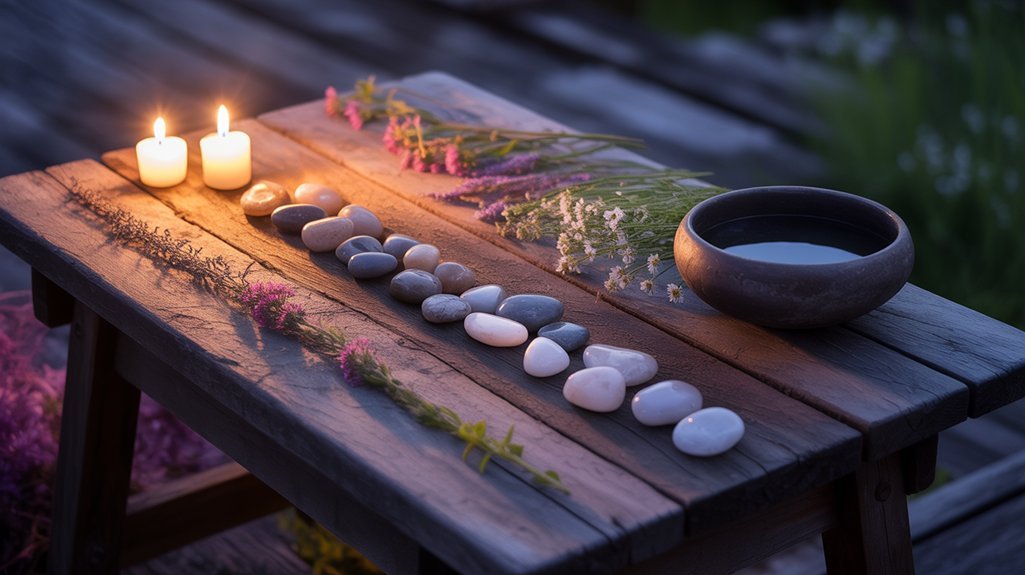
- Create a plant altar. It doesn’t have to be fancy. Gather meaningful items—a few dried herbs, a crystal, or a small statue. Take a moment each day to sit with it, offering gratitude. This simple act can deepen your connection.
- Tune into your intuition. Pay attention to which plants catch your eye. What feelings or thoughts arise when you focus on them? This isn’t just chance; it’s a conversation waiting to happen.
- Work with lunar cycles and seasonal blooms. Aligning your practices with these natural rhythms can enhance your connection. For example, planting during a full moon is said to bring abundance. Ever tried that?
- Integrate plant medicines carefully. If you’re using herbs for wellness, always consult a healthcare provider first. This is crucial, especially if you’re pregnant or taking medications. Remember, your safety comes first.
These steps can dissolve the gap between being an observer and becoming an active participant in nature’s consciousness. After years of working with plants, I can tell you—it’s about the small, consistent actions that build this connection.
Take a moment now. What’s one step you’re ready to try tonight?
As you explore this path, remember: this won’t resonate with everyone, and that’s perfectly okay. Be patient with yourself. Results vary, and sometimes it takes a bit to feel those connections.
In my practice, I’ve learned the hard way that not every herb or ritual works for everyone. That’s why I find sharing traditional knowledge alongside personal interpretation so important. Different paths resonate with different folks, and that diversity is beautiful.
If you’re looking to dive deeper, consider researching the cultural origins of the herbs or practices you’re drawn to. Respecting these traditions is essential. For instance, many indigenous cultures have specific ways of working with plants that are sacred to them. Seek out practitioners from those traditions if you’re curious.
Now, let’s wrap up with a specific practice: Tonight, find a plant—inside your home or outside—and spend a few moments just being with it. Observe it without judgment. What do you notice? Trust the process. That’s enough for today.
What to Avoid
As you dive deeper into your practice with plant spirits, it’s natural to feel excited—but there are a few pitfalls to watch out for. Ever felt that rush when you first connect with a plant? I remember it well. That thrill can lead to some missteps if you’re not careful.
First off, avoid using herbs casually. Each plant has its own spirit, and they can sense our intentions. If you’re just grabbing a handful without thought, you’re missing the whole point. Set your intentions, and take your time in preparation. Trust me, the plants will respond to your consciousness.
When you’re working in nature, always ask permission before harvesting or even pulling weeds. There are devas and nature spirits overseeing these spaces. Disrespecting them can throw everything out of balance. I learned that the hard way, and it took a while to mend that relationship.
Another thing: never accept gifts from spirit entities. It might seem tempting, but those gifts come with energetic obligations that can be tough to fulfill. It’s like a contract you didn’t sign up for.
And if you’re thinking about working with potent plants like datura or raw aconite, hold up. These are powerful and can carry serious risks, including soul theft and spiritual possession. If you’re not trained, don’t go there.
Also, pay attention to your environment. High-tension towers or man-made structures can create geopathic zones that mess with your elemental work. Keep these distractions to a minimum.
Lastly, take good care of your plants. Neglected specimens can communicate distress, which weakens your spiritual connection. I always make it a point to check in with my plants regularly. It really makes a difference. Start there.
Recommended for You
🛒 Dried Herbs For Rituals
As an Amazon Associate we earn from qualifying purchases.
What I wish I’d known as a beginner is that every small action matters. If you’re feeling overwhelmed, take a step back and simplify.
Why not try this tonight? Find a quiet moment to sit with a plant you’re drawn to. Ask for its permission to work together. See what comes to you. You might be surprised at the response.
Comparison of Approaches
Understanding plant spirits and devas can feel a bit overwhelming at first, can’t it? I remember when I started out, trying to grasp the roles of these entities in gardening. Here’s a little insight that might help you: devas are like architects, holding the blueprints for life, while nature spirits are the hands-on craftsmen, bringing those patterns into existence.
Let’s break it down simply:
| Aspect | Devas | Nature Spirits |
|---|---|---|
| Function | Supervisory oversight | Hands-on execution |
| Scope | Entire ecosystems | Individual plants |
| Role | Blueprint holders | Pattern builders |
| Communication | Meditative guidance | Energetic resonance |
| Focus | Growth instructions | Environmental qualities |
When you plant your seeds, consider invoking the devas first. It’s a way to tap into that overarching guidance. Ever felt that moment of clarity when you just know what to do next? Then, once you’ve set your intention, connect with the nature spirits. This part is all about feeling and intuition. Trust me, I’ve learned the hard way that this harmonious approach can really maximize your garden’s potential.
Ready to try this tonight? Start by finding a quiet spot in your garden or a windowsill. Take a few deep breaths. As you plant your seeds, visualize the devas guiding you, offering insights about what your plants need. Afterward, spend a moment tuning into the vibrations around you. What do you feel? That’s your connection to the nature spirits.
What I wish I’d known as a beginner: It’s okay to not get it right every time. Gardening is as much about patience and learning as it is about planting.
Now, let’s talk about some practical steps. If you’re using candles as part of your practice, make sure to use fire-safe containers and never leave them unattended. And if you’re working with herbs, always check in with a healthcare provider, especially if you’re pregnant or on medication.
As you explore this dual approach, remember to respect the origins of these practices. Seek guidance from seasoned practitioners of the traditions you’re drawn to. They can provide invaluable insights.
You might find that your connection to both the devas and nature spirits evolves over time. Be patient with yourself—results won’t happen overnight, and that’s perfectly okay. Just keep showing up.
Next Step: Tonight, after your planting ritual, take a moment to journal about your experiences. What did you feel? What insights did you receive? Trust the process; every little bit of connection helps.
Key Takeaways
Now that you’ve had a chance to explore working with devas and nature spirits, let’s highlight what’s truly important.
I remember the first time I connected with these energies. It felt like stepping into a vibrant world I didn’t know existed. Ever felt that? When you engage with these intelligences, you’re tapping into something that goes beyond the everyday. Your perception of nature and your role in it can shift dramatically. The relationship between devas and us isn’t just mystical; it can lead to real changes in plant health and personal growth.
Connecting with devas opens a vibrant world beyond the everyday, shifting your perception of nature and catalyzing real change.
Here are some key principles to anchor your practice:
- Approach with genuine respect. Devas respond to your authentic intention, not just the right words or gestures.
- Create consistent communication. This could be through meditation or even using plant medicine. Find what resonates with you.
- Recognize the differences. Devas hold the blueprints of life, while nature spirits bring those blueprints into physical form.
- Focus on mutual benefit. You’re supporting their evolution, and they’re supporting yours. It’s a beautiful exchange.
- Trust your awareness. You’ll start to notice subtle shifts in energy. Start there.
This process can feel daunting at first, but trust that it’s about collaboration. You’re not just a passive observer; you’re part of a co-creation that enhances both your consciousness and the health of our planet. Remember, witchcraft is often misunderstood, but it’s a practice grounded in nature and personal growth.
What I wish I’d known as a beginner is that it’s okay to take your time. There’s no rush. Each interaction can lead to profound insights, so be patient and trust the process.
Try This Tonight:
Find a quiet space outdoors or near a plant you’d like to connect with. Sit comfortably and take a few deep breaths. Imagine sending a heartfelt greeting to the devas or nature spirits around you. You mightn’t hear a response right away, and that’s totally fine. Just being present is enough.
As you continue this journey, remember: this won’t work for everyone right away. Be patient with yourself. Some practitioners may have different views on these interactions, and that’s valid.
Finally, think about how you can source your materials ethically. If you’re using herbs or crystals, consider their origins. Look for sustainably harvested options or ethical crystal mining. Your practice can be grounded in respect for all beings, seen and unseen.
Take a moment to reflect on your experience. What did you feel? What insights came to you? This is your journey, and it’s meant to unfold in a way that’s unique to you.
Frequently Asked Questions
How Do I Know if a Plant Spirit Is Communicating With Me Authentically?
How can I tell if a plant spirit is communicating with me?
You’ll know you’re receiving genuine communication when the messages feel distinct from your ordinary thoughts.
Start by observing any unexpected insights or emotions that arise during your practice.
Keep a journal of these experiences to track patterns.
Always approach this with respect for the plant’s spirit and remember to consult with experienced practitioners if you’re exploring specific cultural traditions.
What Safety Precautions Should I Take When Working With Plant Devas?
Q: What should I do if I’ve health conditions or take medications?
Yes, it’s crucial to disclose all your health conditions and medications to your facilitator. This transparency ensures the devas can work with you safely.
Before starting, talk openly about your situation, and consider consulting a healthcare provider regarding any potential interactions.
Q: How can I prepare my energy body for working with plant devas?
You can cleanse your energy body by practicing meditation or engaging in grounding exercises. This helps remove any stagnant energy that might block your connection.
Try incorporating practices like smudging or visualization to enhance your clarity and openness.
Q: Can I work with unfamiliar plants on my own?
No, you shouldn’t experiment with unfamiliar plants alone due to potential toxicity risks. It’s best to learn from certified, ethics-aligned healers who can guide you safely.
Always research and ensure you understand a plant’s properties before engaging with it.
Q: What’s the best way to build a relationship with plant devas?
You’ll build genuine relationships by creating safe containers for reciprocal exchange. This means setting intentions and respecting the space you’re in.
Remember that patience is key; relationships take time to develop, especially in spiritual practices.
Q: Are there specific traditions I should follow when working with plant devas?
Yes, many practices come from specific cultural traditions that should be respected.
It’s best to learn directly from practitioners within those traditions to honor their teachings. This helps ensure that you’re engaging with the practices authentically and respectfully.
Can Plant Spirits Help Heal Physical Ailments or Only Emotional Wounds?
Q: Can plant spirits help heal physical ailments or only emotional wounds?
Yes, plant spirits can address both physical and emotional wounds simultaneously.
To start, engage with plant spirits through meditation or herbal practices, focusing on your intentions.
Remember, healing is a holistic process; listen to what your body and emotions are telling you.
Always consult a healthcare provider for any health-related issues, especially if you’re pregnant or taking medication.
How Do I Build a Respectful Long-Term Relationship With a Specific Plant?
Q: How can I start building a relationship with my plant?
Yes, you can start by visiting your plant regularly and being present with it. Bring gratitude and spend time observing its growth.
Talk to it gently, and listen for its responses through changes in its leaves or flowers. Remember, each plant has its own unique needs, so take the time to learn what suits your specific plant.
Q: Should I leave offerings for my plant?
Yes, leaving offerings can enhance your connection. Consider leaving things like water, compost, or small tokens from nature.
Just be mindful not to introduce any substances that could harm your plant, and ensure any offerings are safe and appropriate for its species.
Q: Can meditation help me connect with my plant?
Absolutely, meditation can deepen your relationship. Spend a few minutes in quiet reflection near your plant, focusing on your breath and your intentions.
This practice helps you tune in to its needs and signals. Make sure to create a calm environment free from distractions to fully engage in this experience.
Q: Is it okay to talk to my plant?
Yes, talking to your plant is a wonderful way to bond. Your voice can be soothing and may promote growth.
Just be genuine in your communication, and pay attention to its responses. Remember, while many people believe in the benefits of talking to plants, it’s essential not to rely solely on this for their care.
Q: How do I know if I’m meeting my plant’s needs?
You’ll notice signs like healthy growth, vibrant leaves, and blooms if you’re meeting its needs.
Regularly check for signs of distress, like wilting or discoloration, and adjust your care accordingly. If you’re unsure, research your plant’s specific requirements or consult a local expert for guidance.
Q: What if I’m unsure about my plant’s personality?
That’s okay! Every plant has its unique characteristics. Spend time observing how it grows and changes over the seasons.
Keep a journal of your observations to track its preferences, like light and watering needs. If you’re still uncertain, consider joining a community or finding resources specific to your plant type for more insights.
What Offerings or Rituals Do Different Plant Spirits Prefer or Require?
Q: How do I know what offerings a plant spirit prefers?
Yes, each plant spirit has its own preferences. Start by tuning into your intuition during meditation or dreams to see what resonates with you.
Common offerings include water for aquatic plants, aromatic smoke for herbs, and colorful gifts for flowering species. Always respect the plant’s natural habitat and growth cycles to strengthen your connection.
Q: Are there specific rituals I should follow for plant spirits?
No, there’s no one-size-fits-all ritual. Each plant spirit communicates its needs, so listen closely.
You might experiment with seasonal offerings or specific times of day, like dawn for new growth. Make sure to do your research on any cultural practices tied to the plants you’re working with, and seek guidance from practitioners of those traditions.
Q: Is it safe to use herbs in offerings?
Yes, but be cautious. Some herbs can cause allergic reactions or interact with medications.
When using herbs in offerings, ensure they’re safe for your environment and consult a healthcare provider if you’re pregnant or have health concerns. Always check the sourcing of your herbs to avoid harmful substances.
Q: Can I use essential oils in my rituals?
Yes, essential oils can enhance your connection, but use them wisely.
Always dilute them properly and never ingest them unless advised by a qualified professional. If you’re pregnant or have health concerns, consult a healthcare provider before using essential oils. Consider the cultural significance of the oils you choose, too.
Q: How often should I honor plant spirits?
You should honor plant spirits regularly, especially during their growth cycles.
This could mean seasonal offerings or simply taking time to connect with them weekly. Make it a part of your routine, but listen to the plants; they’ll guide you on what feels right. Always be respectful of their natural environment.
Conclusion
Building a respectful relationship with plant spirits can profoundly enrich your life and enhance your connection to nature. Tonight, find a quiet space outdoors or by a window. Light a single white candle and hold it for three minutes, focusing on your intention to connect with the spirit of a plant nearby. Afterward, journal one sentence about what you felt during this moment.
Trust that this simple practice can open pathways for growth and peace in your life. Start there. You’ve got this!
Chakra Crystal Healing Set (7 Stones)
Seven tumbled gemstones aligned to each chakra — perfect for ritual work.
Check Price on AmazonThe Complete Book of Witchcraft (Buckland)
The most comprehensive guide to Wicca and witchcraft practices.
Check Price on Amazon* As an Amazon Associate we earn from qualifying purchases. Prices and availability may vary.
Continue Your Magical Journey
Free Witchcraft Starter Kit
Get 6 free printable PDFs: grimoire pages, moon calendar, spells, crystals, herbs, and tarot journal.
We respect your privacy. Unsubscribe anytime.
Enhance Your Practice
As an Amazon Associate, I earn from qualifying purchases.
🌙 Get a Free AI Tarot Reading
Luna reads the cards just for you — powered by AI, guided by the stars. No account needed.
Draw Your Cards Now ✨Powered by Luna's Circle — AI Spiritual Guidance