

Incorporating Pagan Beliefs into Daily Life
Incorporating Pagan Beliefs into Daily Life
Introduction and Significance
Starting each day with a ritual can set a positive tone and cultivate a deep sense of purpose. This can be as simple as lighting a candle, reciting affirmations, or offering a prayer to deities or spirits of nature. Such practices help in centering one's thoughts and aligning intentions for the day. Designating certain areas in one's home as sacred spaces is a common practice in paganism. These can be altars adorned with meaningful items such as crystals, herbs, or symbols. These spaces serve as focal points for meditation, reflection, and connection with spiritual elements and energies. Paganism places significant emphasis on seasonal festivals and lunar phases. Celebrating Sabbats and Esbats according to the Wheel of the Year helps individuals stay attuned to natural cycles. These celebrations can involve feasts, rituals, and gatherings with like-minded individuals. Incorporating pagan beliefs into daily meals can be very fulfilling. Choosing locally sourced, seasonal foods honors nature's bounty and supports local communities. Blessing meals with a simple prayer or gratitude can also turn everyday eating into a spiritual practice. Grounding is a technique used to connect with the earth's energy, bringing balance and stability. Simple practices like walking barefoot on grass, gardening, or spending time outdoors can be powerful ways to ground oneself daily. Utilizing herbal medicine and natural remedies aligns well with pagan principles. Whether it's drinking herbal teas, using essential oils, or creating salves, these practices foster a closer relationship with nature and its healing properties. Sustainability and environmentalism are core components of pagan beliefs. Engaging in activities like recycling, reducing waste, and supporting conservation efforts helps in living a life that is in harmony with the earth and its ecosystems. Meditation is a central part of many pagan traditions. Regular meditation sessions, which can include visualization or chanting, help in connecting with inner self and the divine. These practices promote mental clarity and spiritual growth. Continual learning through books on paganism, mythology, and folklore enhances one's understanding and practice. Reading can be a solitary activity or shared among a community, fostering deeper connection and knowledge. Creating art, be it drawing, painting, music, or dance, is a form of spiritual expression in pagan traditions. These creative activities serve not only as a form of worship but also as a way to channel spiritual insights and energies. Acknowledging and paying respects to ancestors is a vital aspect of many pagan practices. This can be done through prayers, offerings, and keeping a dedicated space for ancestral remembrance, creating a continuous link between past and present. Working with the lunar phases, such as setting intentions during the new moon and releasing negativity with the full moon, allows pagans to harness lunar energy and align their actions with astrological influences. Journaling about observations and experiences in nature can deepen one's connection to the earth. Documenting seasonal changes, weather patterns, and personal reflections can become a treasured spiritual practice. Cleansing oneself and living spaces with rituals involving elements like sage smudging, salt, or water can remove negative energies and create a purified atmosphere. These practices are commonly intertwined with pagan customs. Joining pagan groups or attending festivals provides a sense of belonging and shared learning. Engaging with a community of like-minded individuals offers support, inspiration, and new perspectives on shared spiritual practices. 1. **Nature Walks and Meditations**: One easy way to integrate Pagan beliefs into your daily life is by taking regular nature walks. Pagans hold nature in high regard, and being in the outdoors can help you connect with its energies. Use these moments for meditation and reflection, deepening your spiritual living. 2. **Seasonal Celebrations**: Marking the wheel of the year through seasonal celebrations such as Yule, Imbolc, Beltane, and Samhain is central to many Pagan practices. These festivities help align your life with natural cycles, fostering a sense of balance and harmony. 3. **Daily Altars**: Setting up a small daily altar at your home can act as a focal point for your Pagan lifestyle. This altar can include symbols, natural elements like stones and flowers, and candles that correspond to the elements or deities important to you. 4. **Herbal Usage**: Another way to embrace Pagan beliefs on a day-to-day basis is through the use of herbs. Incorporate these into your cooking, teas, or as natural remedies, appreciating their historical and spiritual significance. 5. **Moon Rituals**: Following the phases of the moon and performing rituals during new moons and full moons is a common practice in many Pagan traditions. These rituals can range from simple meditative practices to elaborate ceremonies aimed at manifesting intentions or purging negativity. 6. **Tarot Reading**: Using tarot cards for daily readings can provide guidance and insight, linking you to ancient divinatory practices. This daily Paganism activity can help you tap into your intuition and make more informed decisions. 7. **Eco-Friendly Living**: Adopting eco-friendly practices such as recycling, reducing waste, and supporting sustainable products aligns with the Pagan reverence for the earth. This aspect of spiritual living demonstrates a commitment to treating the planet with the respect it deserves. 8. **Crafting**: Engaging in crafting activities like making your own candles, creating natural soap, or fashioning protective talismans can be a fulfilling way to incorporate Pagan practices. These activities can imbue your daily life with intention and creativity. 9. **Sacred Moments**: Carving out sacred moments in your routine, such as a morning meditation or an evening gratitude ritual, can enrich your Pagan lifestyle. These small, intentional practices help keep you grounded and spiritually connected. 10. **Ancestor Veneration**: Paying respect to your ancestors through altars, storytelling, or genealogical research can anchor you in a long lineage of tradition and wisdom, providing a deeper sense of connection and continuity. 11. **Crystal Work**: Incorporating crystals into your daily routines can be a potent practice. Use them for their unique properties—amethyst for clarity, rose quartz for love, and so on—placing them in your living space or carrying them with you. 12. **Elemental Focus**: Incorporating the elements—earth, air, fire, and water—into your life can be a powerful Pagan practice. Use them as thematic guides for activities, decor, and rituals. 13. **Pagan Reading**: Regularly reading Pagan texts, whether it's mythology, history, or modern interpretations, can deepen your understanding and practice of your spiritual beliefs. This continual learning fosters a more enriched spiritual living experience. 14. **Mantras and Chants**: Using mantras and chants can be an effective way to integrate Pagan practices into your daily life. These can be specific to deities, energies, or intentions you wish to focus on, enhancing your spiritual awareness. 15. **Community Involvement**: Engaging with the Pagan community through local groups, online forums, or attending festivals can provide mutual support and enrichment. This communal aspect can help sustain your daily Paganism practices, giving you a sense of belonging and shared purpose. According to a study conducted in 2022, it is estimated that there are approximately 1 to 1.5 million people in the United States who identify with some form of Paganism, highlighting the growing interest in and practice of this spiritual path. One of the first ways I find myself incorporating Pagan beliefs into my daily life is through meditation and mindfulness practices. Meditating with a focus on the elements—earth, air, fire, and water—helps me remain connected to the world around me. By visualizing these elements and their corresponding qualities, I feel more centered and grounded. Every morning, I begin my day by practicing mindfulness during my morning walk. I pay close attention to my surroundings, each footstep, the rhythm of my breath, and the sounds of nature. It’s like a moving meditation that aligns my mind with the energies of the earth. Meditation sessions often include chanting or focusing on specific deities that resonate with my current life's needs or challenges. It's not just about achieving inner peace but aligning myself energetically with the larger universe and its natural rhythms. This practice has become a cornerstone of my daily life, allowing me to start each day with clarity and purpose. Seasonal celebrations are vital to my Pagan practice. The Wheel of the Year, which includes Sabbats like Samhain, Beltane, and Yule, provides me with a cyclical understanding of time and nature's infinite wisdom. Each festival becomes an opportunity to honor the earth’s cycles and my own shifts and transformations throughout the year. On these special dates, I often create altars adorned with seasonal flowers, fruits, and objects that embody the essence of each celebration. For instance, during Yule, my altar is filled with evergreen sprigs, pinecones, and candles representing the return of the sun. These personal rituals remind me of nature’s cycles and reinforce my connection to the Earth. Preparing food that corresponds with each festival’s symbolism is another joyous way to celebrate the seasons. Baking bread for Lammas or preparing a hearty meal for Samhain not only nourishes my body but also connects me to the ancient traditions of my ancestors, making each meal a spiritual experience. Walking in nature is more than just physical exercise; it’s a spiritual practice for me. By spending time in forests, near rivers, or atop hills, I connect deeply with the elements and the spirits that reside in these natural spaces. I often pause to acknowledge the beautiful trees, plants, and animals I encounter, offering small tokens of gratitude like a strand of hair or a whispered blessing. One of my most cherished spots is a secluded grove in a nearby forest. I've designated it as my sacred space, where I go to perform rituals, make offerings, or simply sit in quiet communion with nature. This sacred grove provides a sanctuary away from the hustle and bustle of daily life and serves as a powerful reminder of the interconnectedness of all things. Collecting natural objects like stones, feathers, and leaves during these walks adds to my sense of spiritual intimacy with the earth. These tokens find their way into my home, enriching my living space with natural energy and constant reminders of my place within the larger tapestry of life. Rituals don't have to be elaborate to be meaningful. Each day, I perform small personal rituals that align with my Pagan beliefs. Lighting a candle with intent, drawing an oracle card, or even just a few moments of focused breathwork become sacred acts that imbue my day with spiritual significance. I also make a habit of leaving offerings for the household spirits, which some people might refer to as house elves or genii loci. These offerings could be as simple as a bowl of milk or a small piece of bread. Creating these daily rituals keeps me in a constant state of gratitude and mindfulness of the unseen forces that dwell within my home. Crafting my own spells, based on needs or desires, is another form of ritual that I practice regularly. These spells often involve simple components like herbs, candles, and incantations. Tailoring each ritual or spell to my specific circumstances not only makes them more effective but also deepens my personal connection to the spiritual principles I hold dear.Creating Sacred Spaces
Observing the Wheel of the Year
Mindful Eating and Local Foods
Daily Grounding Practices
Using Natural Remedies
Engaging in Eco-Friendly Activities
Meditative Practices
Reading Pagan Literature
Expressing Creativity Through Art
Honoring the Ancestors
Aligning with the Moon Phases
Maintaining a Nature Journal
Regular Ritualistic Cleansing
Participating in Pagan Communities
Meditation and Mindfulness
Celebrating the Seasons
Nature Walks and Sacred Spaces
Personalized Rituals and Offerings
1. What are some common Pagan beliefs?
Pagan beliefs typically revolve around a reverence for nature, polytheism, and the worship of various deities, spirits, and ancestors. Many Pagans also follow seasonal cycles and festivals such as equinoxes and solstices.
2. How can I set up a basic Pagan altar?
To set up a basic Pagan altar, start by choosing a dedicated space. Decorate it with items that hold spiritual significance, such as candles, crystals, incense, and representations of deities or nature. Personalize it according to your specific beliefs and practices.
3. What daily rituals can help incorporate Pagan practices?
Daily rituals can include lighting a candle with an intention, meditating, offering a small libation to nature spirits, or reciting short prayers or affirmations. Simple acts like these can help you stay connected to your Pagan path.
4. How can I celebrate Pagan festivals?
Pagan festivals can be celebrated by participating in rituals, feasting, and connecting with nature. Research the traditional customs and adapt them to your own practice. Common festivals include Samhain, Beltane, and Yule.
5. What are some ways to honor nature in daily life?
You can honor nature by spending time outdoors, gardening, recycling, conserving water, and recognizing the natural cycles of the moon and sun. Engage in activities that foster a deeper connection with the environment.
6. Can I practice Paganism if I'm not part of a group?
Yes, many Pagans practice as solitaries. Paganism is highly individualistic, allowing for a personal and unique approach to spirituality. Online communities and resources can provide support and inspiration.
7. How do I find my path within Paganism?
Exploring different Pagan traditions and reading related books can provide insight into what resonates with you. Meditation, journaling, and participating in local Pagan events can help guide you toward your path.
8. What are Pagan symbols, and what do they mean?
Pagan symbols vary widely but often include the pentacle (representing the elements and spirit), the triskelion (symbolizing life cycles and the Triple Goddess), and runes (ancient alphabetic symbols with divinatory meanings). Each symbol carries specific spiritual significance.
9. Is Paganism compatible with other religions?
Many Pagans hold an inclusive worldview and may incorporate elements from other spiritual traditions. However, practicing multiple religions can be complex, and it's important to approach both paths with respect and understanding.
10. How can I involve my family in Pagan practices?
Involving your family can be as simple as celebrating Pagan holidays together, sharing stories about deities, and engaging in nature-based activities. Open communication and finding practices that everyone enjoys can make it a fulfilling family experience.
## Conclusion
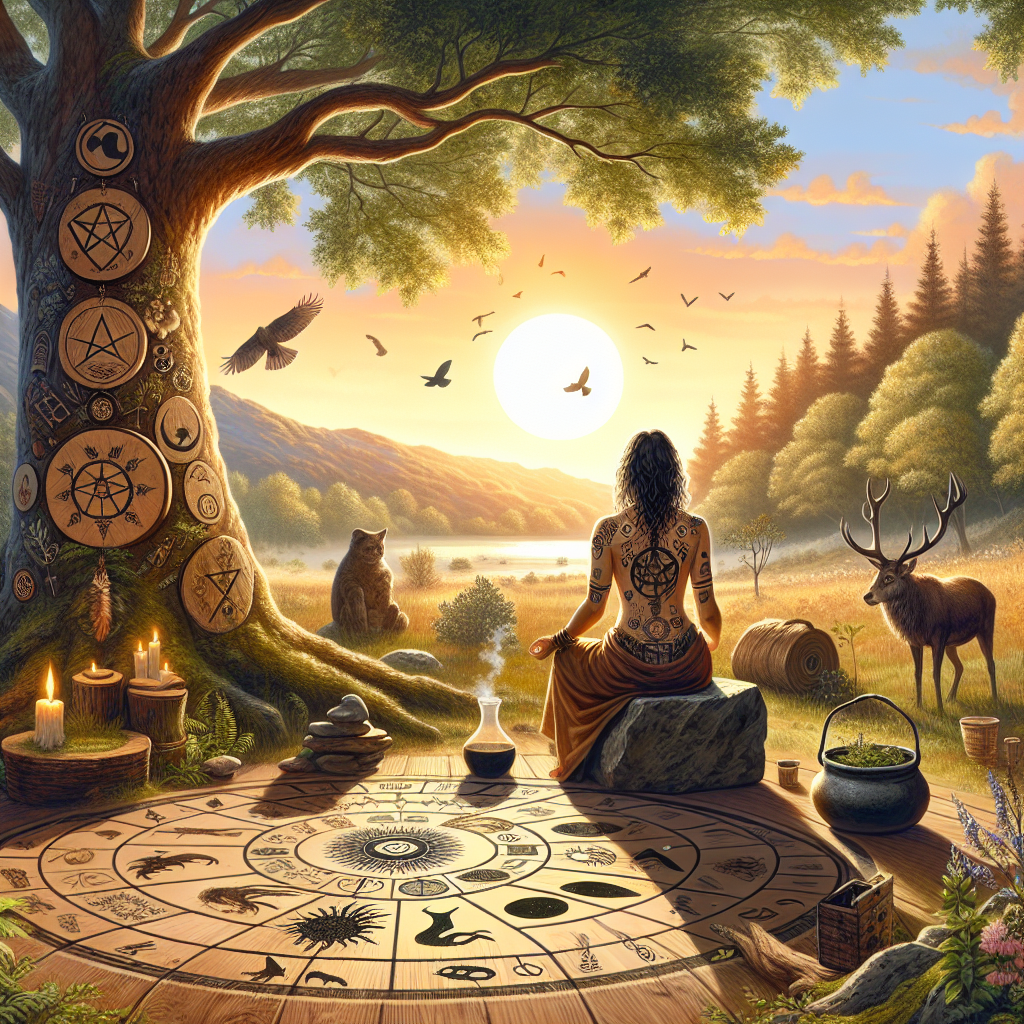
Integrating Pagan beliefs into daily life can transform mundane routines into meaningful rituals that honor nature and the divine. Practices such as observing the cycles of the moon, utilizing sacred symbols, and creating altars in your living space foster a deeper connection with the Earth and its energies. Simple acts like mindful gardening, preparing food with intention, and daily meditation tie the spiritual to the everyday, grounding the practitioner while elevating routine tasks to the sacred. Engaging with the elements, celebrating the Sabbats, and incorporating divination practices reflect a commitment to living in harmony with the natural world and respecting the interconnectedness of all life.
Living a Pagan lifestyle encourages continuous spiritual growth and self-awareness. By dedicating moments for gratitude, offering rituals, and aligning personal actions with core Pagan values such as reverence for nature and the divine feminine, one cultivates a spirit-infused existence. Using Pagan philosophies to guide ethical decisions and routines reinforces a holistic sense of living, balancing mind, body, and spirit. Whether through community involvement, solitary practice, or daily spiritual exercises, these pathways nurture a harmonious and enriched life in tune with the sacred rhythms of the universe.
Join The Mystic Circle
Weekly spells, moon rituals & magickal wisdom — plus a free ritual planner.
Continue Your Magical Journey
Enhance Your Practice
As an Amazon Associate, I earn from qualifying purchases.
Everything a Witch Needs, in One Living Grimoire
941 pages across 5 volumes and 6 bonus guides — foundations, herbalism, tarot, crystals, 26 traditions, a fillable Book of Shadows, and a seasonal companion. The last witchcraft resource you'll ever need.

🌙 Get a Free AI Tarot Reading
Luna reads the cards just for you — powered by AI, guided by the stars. No account needed.
Draw Your Cards Now ✨Powered by Luna's Circle — AI Spiritual Guidance
